Access for sewer line repairs means more than reaching the visible blockage: the plumber needs a safe route to the affected pipe, enough room to inspect the defect and suitable working space for the repair method selected. The exact requirement depends on the pipe’s position, depth, construction, condition and relationship to buildings, paving, gardens and other utilities.
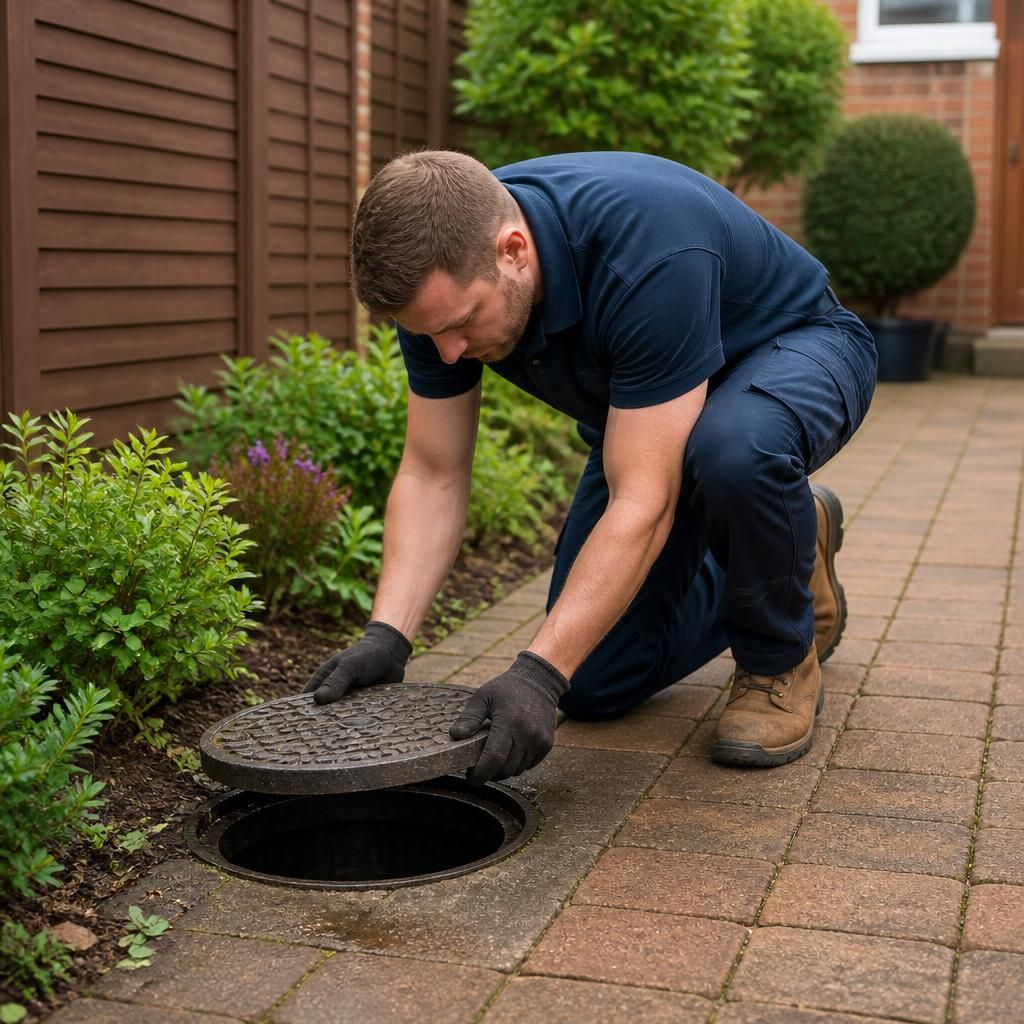
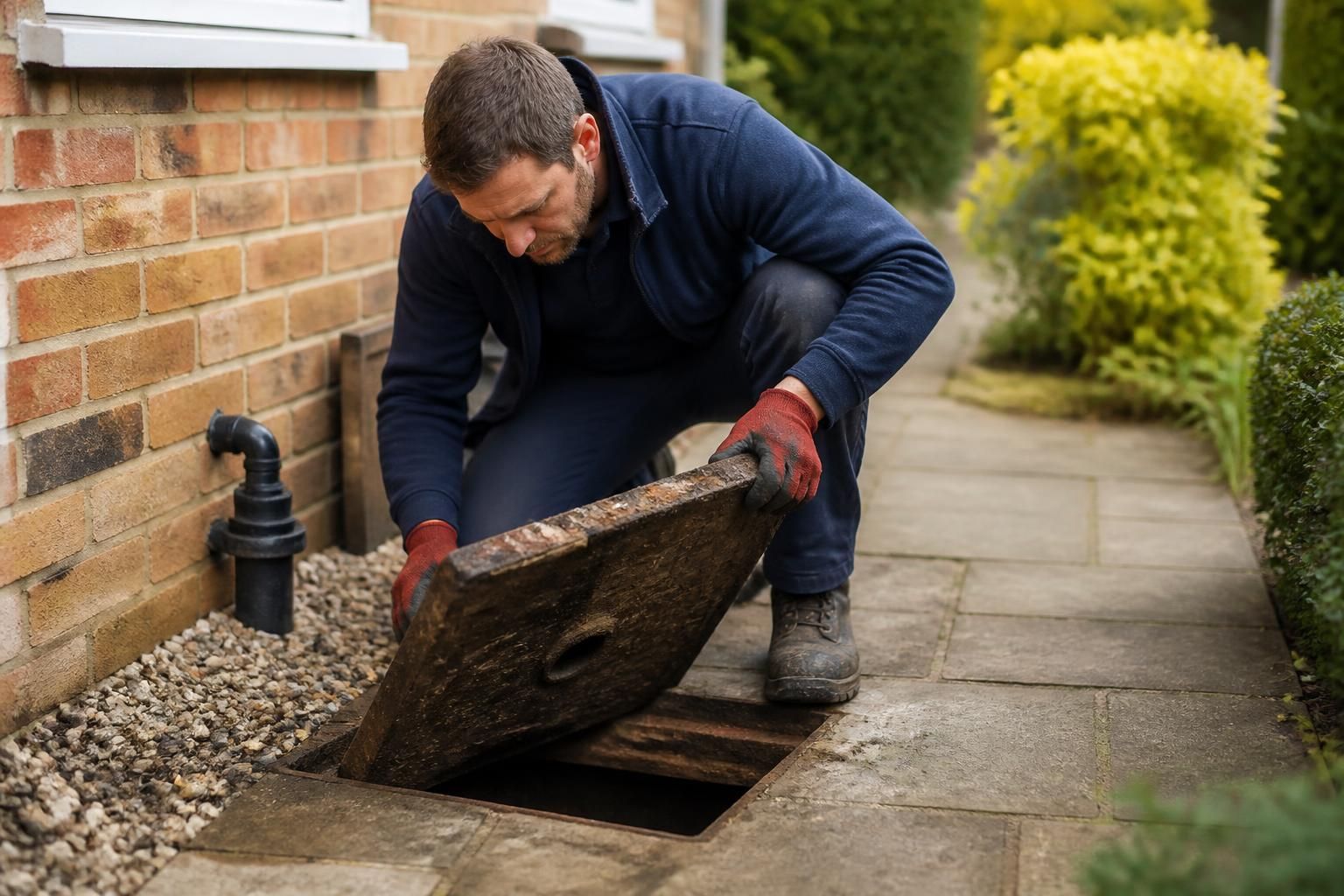
The first requirement is access to the drainage system. A plumber may need to reach an accessible point within the property so that inspection equipment, cleaning tools or repair equipment can be introduced. The position of this access point helps establish the direction of the pipe and the likely location of the defect. If the drainage layout is unclear, existing plans, previous repair records or information about recent building work can assist with tracing the line.
Room to work is also important. Equipment must be positioned without damaging walls, flooring, paving or landscaping. For internal work, this can mean clear access through the property and protection for nearby surfaces. For external work, the working area may need to include space for tools, removed materials and safe movement around the pipe route. Narrow side passages, conservatories, extensions, parked vehicles and boundary structures can all affect how the work is approached.
The condition of the surrounding area determines whether access can remain limited or needs to be widened. A localised defect in an otherwise sound pipe may be reachable using a repair method that avoids opening a large area. Collapsed, displaced or badly deteriorated sections may require the affected length to be exposed so it can be examined and repaired properly. The plumber should establish the condition of the pipe before deciding how much of the surrounding surface needs to be disturbed.
Underground services must be considered before work begins. Water pipes, gas lines, electrical cables, telecommunications equipment and foundations may cross or run close to the sewer. Their positions need to be identified so the repair can be planned safely. Drainage serving more than one property can also create additional practical considerations, particularly where the route passes through a shared drive, communal garden or other jointly used space.
Access may be needed to more than one part of the system when the repair involves a longer section or when the pipe cannot be assessed fully from one direction. This allows the plumber to compare the condition of the line, confirm the extent of damage and select an appropriate repair technique rather than relying on assumptions about the fault.
Before a visit, the property owner or occupier can help by:
- identifying any known drainage access points and keeping them clear;
- removing stored items, vehicles or garden furniture that obstruct the suspected route;
- providing details of recurring smells, slow drainage, previous blockages or earlier building work;
- locating available drainage plans and information about shared pipework;
- informing the plumber about pets, vulnerable surfaces and areas that cannot be accessed.
Once the route and defect have been assessed, the plumber can explain precisely what must be moved, opened or protected, whether specialist equipment is needed and how affected surfaces will be dealt with after the repair. If access is restricted, this should be discussed before work starts because it may influence the method used and the overall scope of the repair.