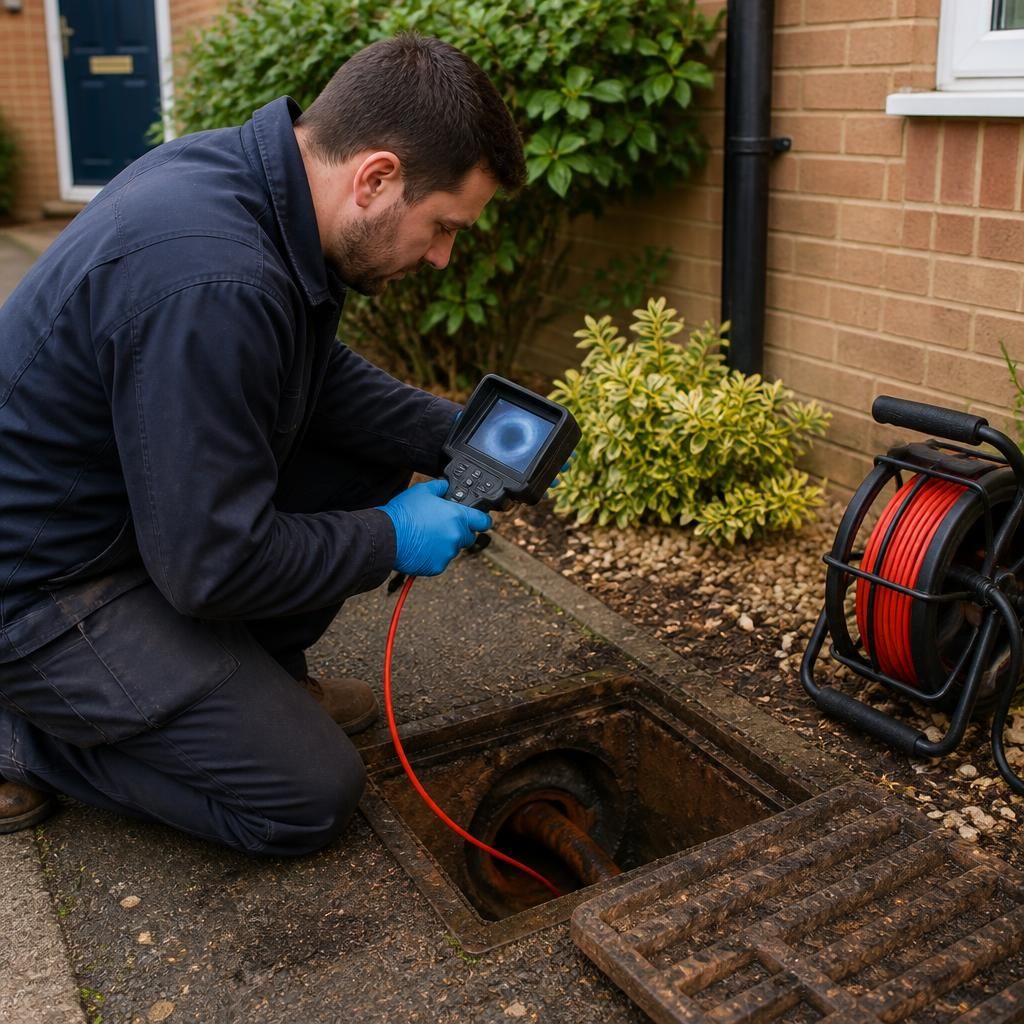
Sewer line repairs usually cause localised, temporary disruption rather than affecting the whole property. The main inconvenience may involve restricted access to a garden, driveway, hardstanding or internal area, together with temporary limits on using connected toilets, sinks or other drainage while the work is carried out.
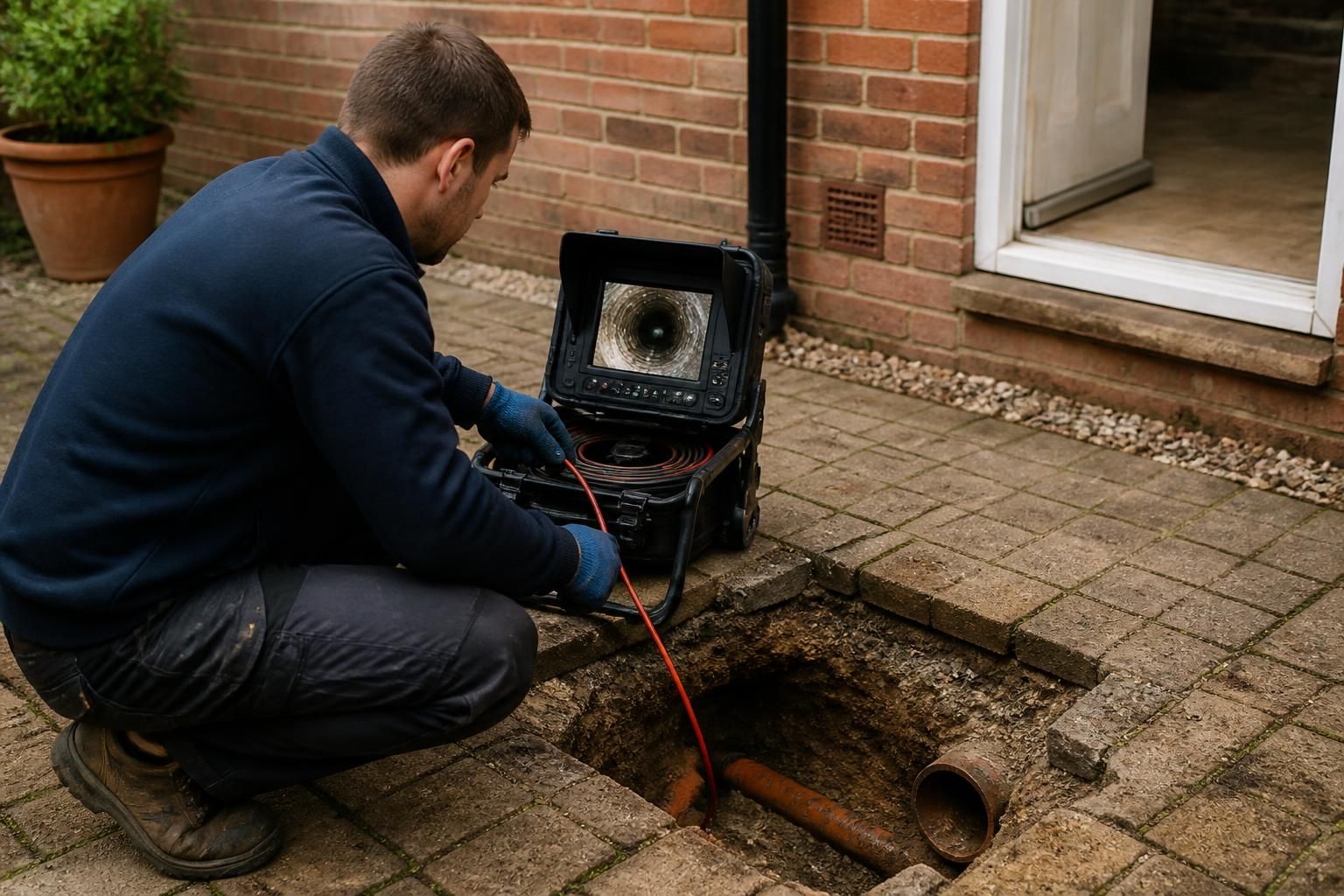
The repair method makes the greatest practical difference. A camera inspection can help identify the position and nature of the fault before unnecessary ground is disturbed. Where the damage is suitable for a targeted or trenchless technique, access points may be limited and the surrounding surface can remain largely intact. If the pipe has collapsed, shifted significantly or cannot be reached through existing access points, opening the ground may be necessary.
Excavation does not always mean removing a large area. The work area is planned around the damaged section, the depth of the pipe and the space needed to work safely. This could involve lifting paving, removing a section of driveway or disturbing part of a lawn. On completion, the excavated area should be backfilled and the affected surface reinstated as agreed. The finish may depend on the original material and whether matching slabs, blocks, tarmac or landscaping materials are available.
Indoor disruption is possible but usually relates to access and drainage use. Internal pipework, inspection chambers or connection points may be located beneath floors, patios or extensions. If access inside is required, furniture and stored items may need to be moved, and the work area should be kept clear until the repair and checks are complete. Where wastewater must be isolated, the engineer should explain which facilities cannot be used and for how long the restriction is expected to apply.
Several stages can affect the overall disruption:
- Locating the relevant drain and confirming the condition of the pipe.
- Protecting nearby surfaces, utilities and parts of the property that are not being repaired.
- Creating access by lifting a cover, removing a small surface area or excavating where required.
- Completing the repair and testing the line to check that wastewater flows correctly.
- Cleaning the work area and reinstating disturbed surfaces where this forms part of the agreed work.
The length of the job cannot be determined reliably before the pipe has been assessed. A straightforward repair with clear access may involve less site work than a damaged line beneath a driveway, building or landscaped area. Additional complications can include unexpected pipe depth, ground conditions, shared drainage, other buried services or damage extending beyond the initially visible fault.
Before work begins, ask what area must remain clear, whether vehicles can stay on the property, how access will be protected and what reinstatement is included. Landlords may also need to coordinate access with tenants and consider how temporary drainage restrictions affect the property. For shared or private sewer lines, responsibility and permission may need to be confirmed before excavation takes place.
Good preparation can reduce avoidable inconvenience. Remove valuable or fragile items from the work route, keep children and pets away from open access points, and avoid placing vehicles or materials over inspection covers. Do not attempt to enter an excavation or handle contaminated water yourself; sewer work can involve unstable ground and biological hazards.
After the repair, the drainage should be checked for flow, leaks and signs of further blockage before normal use resumes. If the work affects a garden, driveway or internal finish, clarify how the area will be left and report any remaining issue promptly. Ideal Plumbing Services can assess the drainage fault and explain the likely access requirements for a Birmingham or West Midlands property before repair work is agreed.