Sewer line repair costs are determined by the condition of the pipe, the type and extent of the failure, the repair technique required and the work needed to restore the property afterwards. An accurate price normally follows a proper inspection, because a blocked or leaking sewer may result from a localised break, displaced joint, root intrusion, corrosion or a more widespread structural problem.
The cause and severity of the damage
A small crack or failed joint may be repairable at one point, whereas a collapsed, fractured or badly deformed section can require a larger intervention. Root ingress may involve removing the roots and sealing the affected section, but recurring intrusion can indicate that the pipe itself needs more extensive attention. Persistent blockages, foul odours, slow drainage or wastewater backing up can all indicate different levels of damage, so the visible symptom does not necessarily reflect the eventual repair requirement.
Inspection and diagnosis
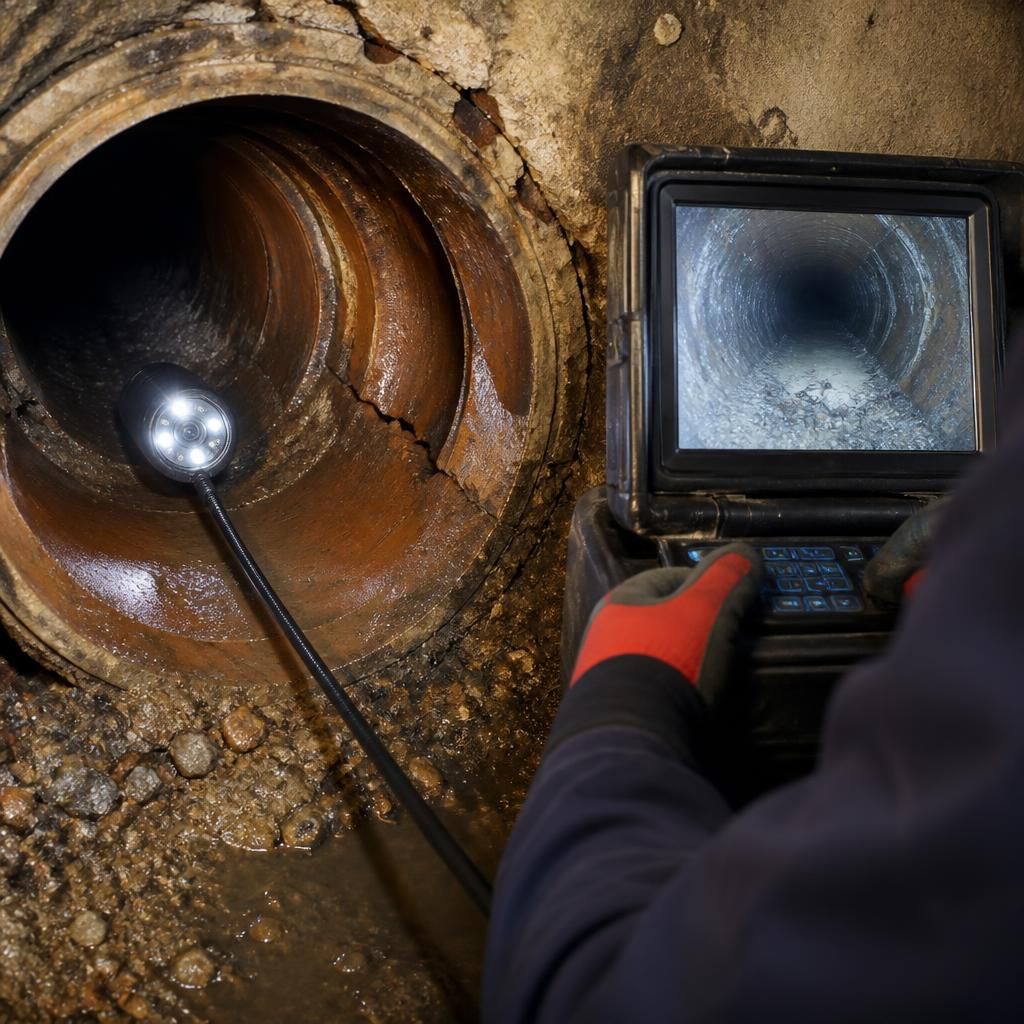
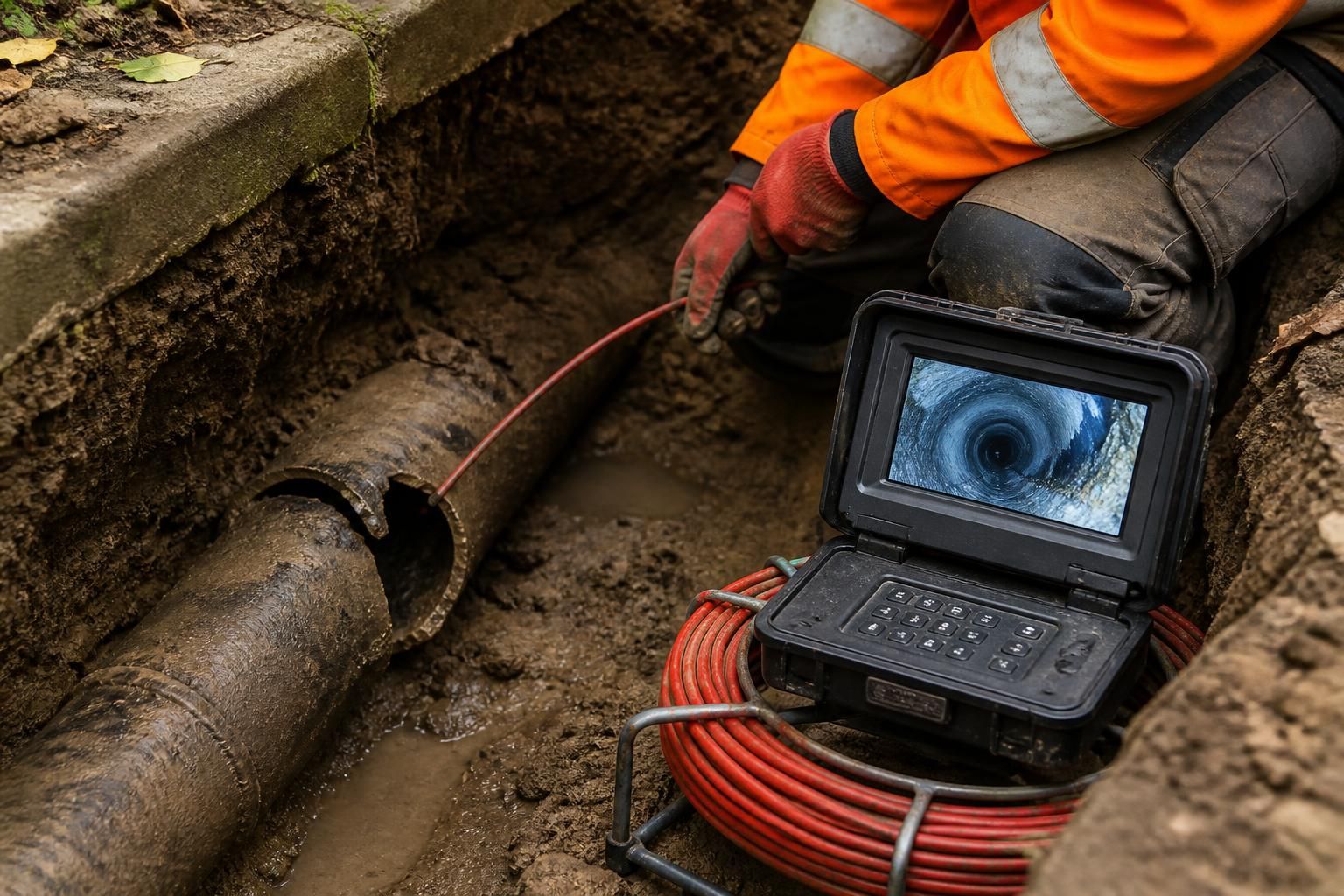
Drain surveys, CCTV inspections and other diagnostic work may form part of the overall cost. These methods help identify the precise location and nature of the fault without relying solely on surface investigation. A survey can also reveal additional defects elsewhere in the line, which may change the recommended scope of work. Paying for an accurate diagnosis can prevent unsuitable repairs and gives the property owner a clearer basis for comparing quotations.
Pipe material, age and condition
The existing pipe material affects how a repair can be carried out. Older clay, cast-iron, concrete or plastic drainage systems can have different failure patterns and may require different repair materials or techniques. The condition of nearby sections is also relevant: repairing one isolated defect may be appropriate where the surrounding pipe remains sound, but replacing or rehabilitating a longer section may be more practical if the line has several weaknesses.
Repair method
Traditional excavation is not the only option. Depending on the defect and the pipe's condition, a contractor may recommend a localised repair, pipe replacement, relining or another trenchless method. Trenchless work can reduce disturbance at the surface, but it is not suitable for every pipe or fault. The chosen method depends on the pipe's shape, alignment, internal condition and access for specialist equipment. A lower initial price is not automatically the best option if it does not address the underlying cause.
Surface reinstatement and property features
Repair work may affect driveways, patios, paths, lawns, planting, floors or other finished surfaces. The cost of removing and reinstating these features depends on their construction and condition, as well as whether matching materials are available. Structures or landscaping installed over the sewer route can make the work more complex. It is sensible to establish whether reinstatement is included in the quotation or priced separately.
Responsibility for the pipe
Before commissioning work, establish whether the affected section is the homeowner's responsibility or forms part of a shared or public sewer network. Responsibility can depend on the pipe's position, how many properties it serves and the relevant drainage arrangements. A private lateral drain, a shared drain and a public sewer may follow different procedures, so clarification at the assessment stage can prevent confusion about who should arrange or fund the repair.
Other factors that can change the quotation
- Whether the repair requires traffic, pedestrian or site safety controls.
- Whether electrical, gas, water or other buried services are close to the sewer.
- Whether pumping, water management or temporary protection is needed during the work.
- Whether permissions or coordination with a utility, local authority, landlord or managing agent are required.
- Whether the defect is isolated or part of a wider drainage problem.
How to compare sewer repair estimates
A useful quotation should explain the diagnosed fault, the proposed method, the materials involved and the areas included in the work. Check whether inspection, excavation, waste removal, reinstatement and any follow-up testing are included. Ask what could cause the price to change and whether any provisional items have been allowed for. An itemised estimate makes it easier to compare like for like and helps identify charges that are not obvious from a headline figure.
For homeowners, landlords and tenants in Birmingham and the wider West Midlands, Ideal Plumbing Services can assess sewer and drainage defects and explain the available repair options. The most reliable way to control costs is to investigate warning signs early, obtain a clear diagnosis and choose a repair that matches the actual condition of the sewer rather than treating only the immediate symptom.