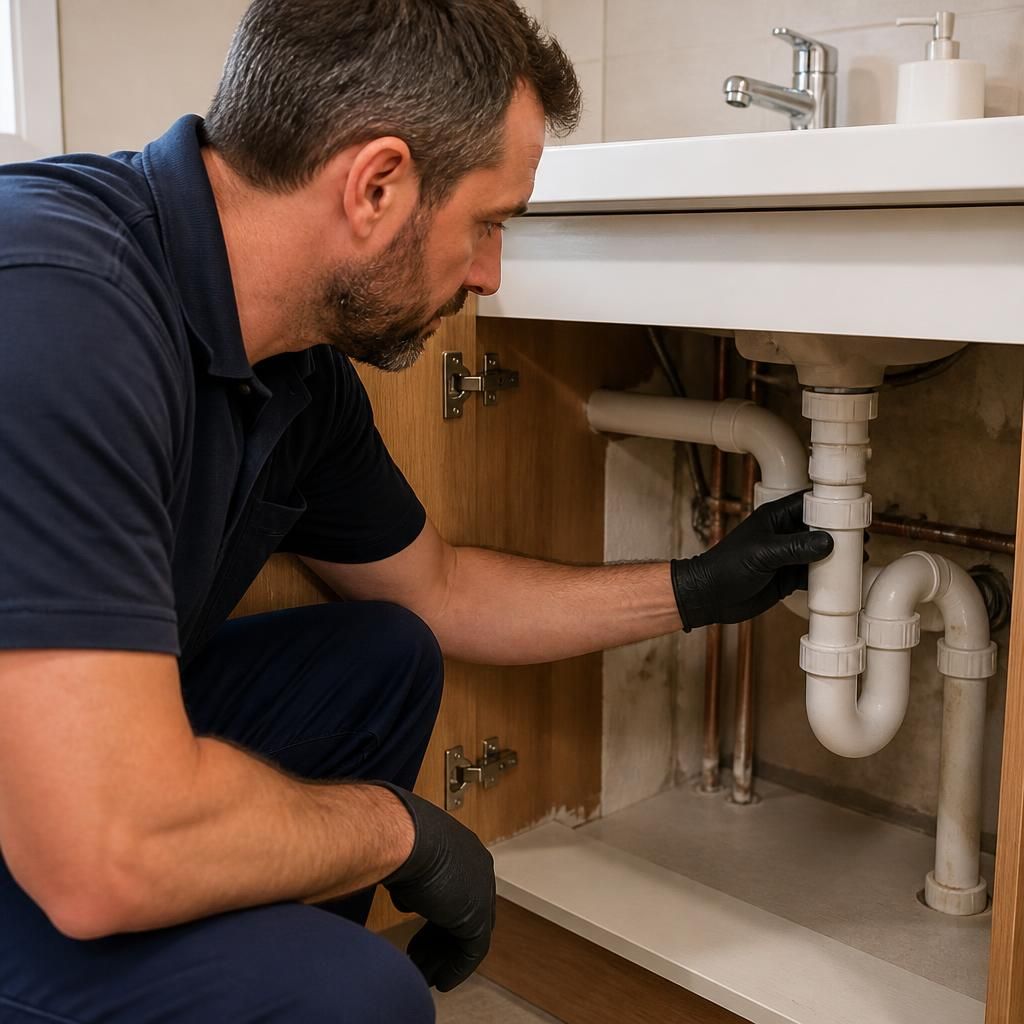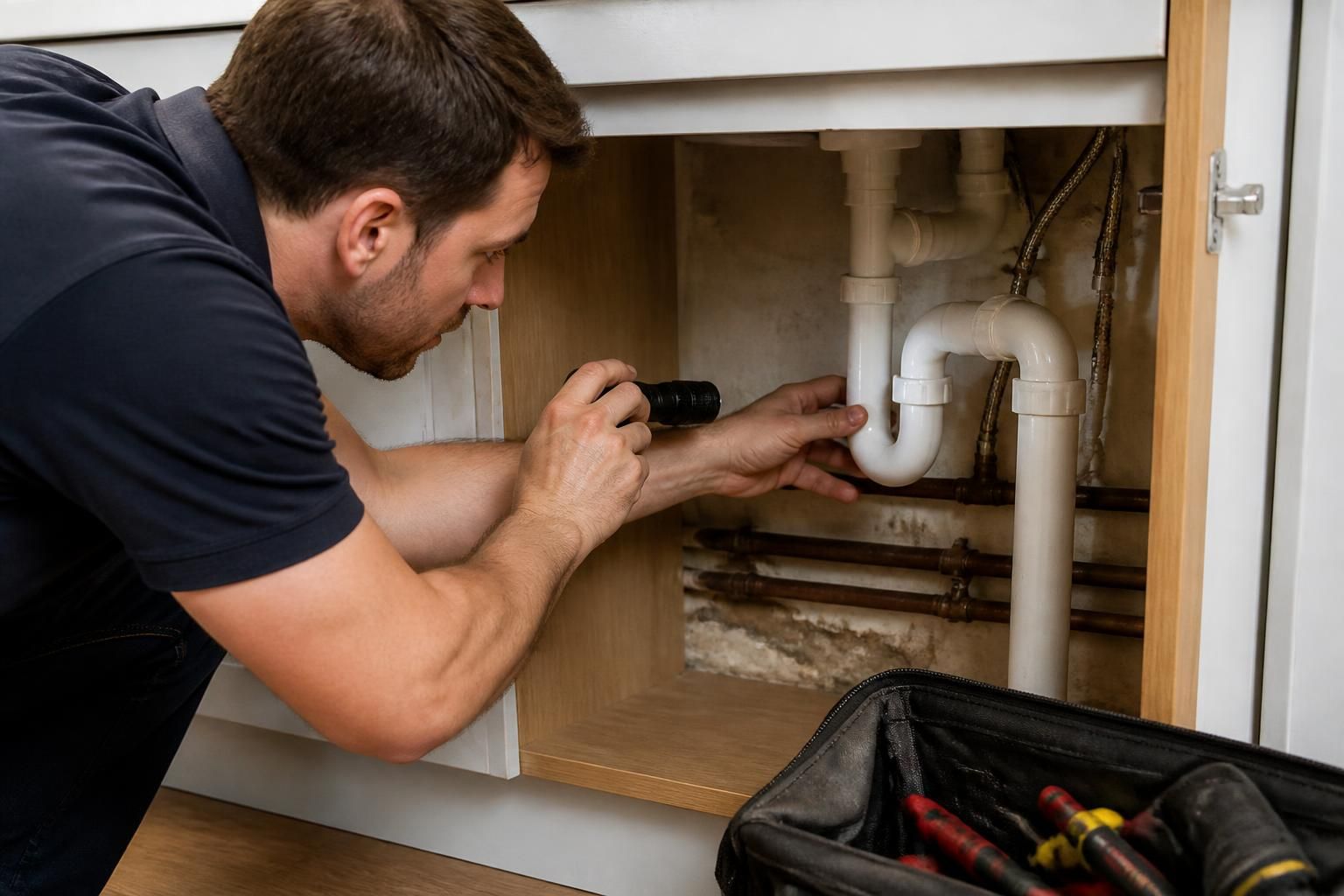
Waste and soil pipe repairs in a rented property are normally handled by repairing the affected section, joint or connection rather than replacing the entire system. The appropriate method depends on whether the fault is a leaking joint, cracked pipe, failed seal, poor connection or a blockage that has damaged the pipework.
Responsibility usually depends on the location of the pipe and the cause of the problem:
- Landlords: fixed waste and soil pipework forming part of the property’s sanitation system is generally the landlord’s responsibility to maintain and repair.
- Tenants: tenants should report leaks, foul odours, slow drainage and recurring blockages as soon as they are noticed. They may be responsible for damage caused by misuse, negligence or unauthorised alterations, depending on the tenancy agreement and the circumstances.
- Managing agents: where a property is managed by an agent, the tenant should follow the reporting procedure provided for repairs and keep a written record of the notification.
A plumber will usually begin by identifying the source of the fault rather than assuming that the most visible dampness is the origin. Waste pipes carry water from sinks, baths and appliances, while soil pipes carry waste from toilets. Both systems can leak at joints, bends, branch connections, traps and seals. A camera inspection or other investigative method may be appropriate where the pipe is concealed or the cause cannot be confirmed visually.
Where the pipe is sound but a joint has failed, the repair may involve replacing the seal, tightening or remaking the connection, or renewing a short jointed section. A cracked, badly distorted or heavily degraded pipe may need a larger section replaced. If the pipe is boxed in or behind a removable panel, access may be relatively limited. Pipework within a wall, floor or fitted unit may require careful removal of only the materials necessary to reach and test the defect.
Before work is authorised, the landlord or agent should establish:
- which pipe serves the property and whether it is shared with another dwelling;
- where the pipe is located and what access will be needed;
- whether the fault is affecting neighbouring rooms or properties;
- whether the proposed repair is temporary or intended as a durable solution;
- what reinstatement is included after the plumbing work, such as replacing an access panel or making good disturbed fittings.
Tenants should avoid dismantling toilets, cutting into boxing or applying sealant over an active leak without approval. These actions can conceal the source of the problem, make inspection more difficult or cause additional damage. They should also minimise use of the affected bathroom or appliance if using it causes further leakage, and keep any photographs, dates and correspondence relating to the fault.
Access should be arranged with the occupier and landlord or agent so that the plumber can inspect the pipe safely. If bathroom fittings, flooring or boxing have to be moved, the extent of the work should be explained beforehand. A repair should include testing after completion, checking joints for leaks and confirming that waste is flowing correctly. If a toilet or other sanitary fitting has been disconnected, it should be securely reconnected and tested before the room is returned to use.
For landlords, records of the reported fault, inspection findings, repair carried out and any follow-up recommendation can help demonstrate that the issue was assessed properly. For tenants, prompt reporting and cooperation with reasonable access arrangements can help prevent a minor plumbing defect from becoming a more extensive repair. Where the cause, responsibility or proposed scope is unclear, an inspection by an experienced plumbing professional provides a sound basis for deciding whether the pipe can be repaired or needs partial replacement.