Waste and soil pipe repair costs do not have a single standard price because the work may involve anything from resealing one joint to replacing a concealed section of pipework. The final cost is mainly determined by the fault, the length and type of pipe affected, how easily it can be reached, and whether the repair can be completed without disturbing surrounding fixtures or finishes.
Typical cost factors include:
- Diagnosis: The source of a leak or blockage may not be visible at first. Tracing the fault can involve checking joints, traps, branch connections and nearby pipework.
- Repair or replacement: A sound pipe with a failed seal may only need a new connector or joint. Cracked, distorted or badly corroded pipework may require a replacement section, with additional fittings to connect it securely to the existing system.
- Pipe material and size: Plastic, cast iron and other older installations require different repair methods and components. Soil pipework is generally larger and may need heavier or more specialised fittings than a small waste pipe.
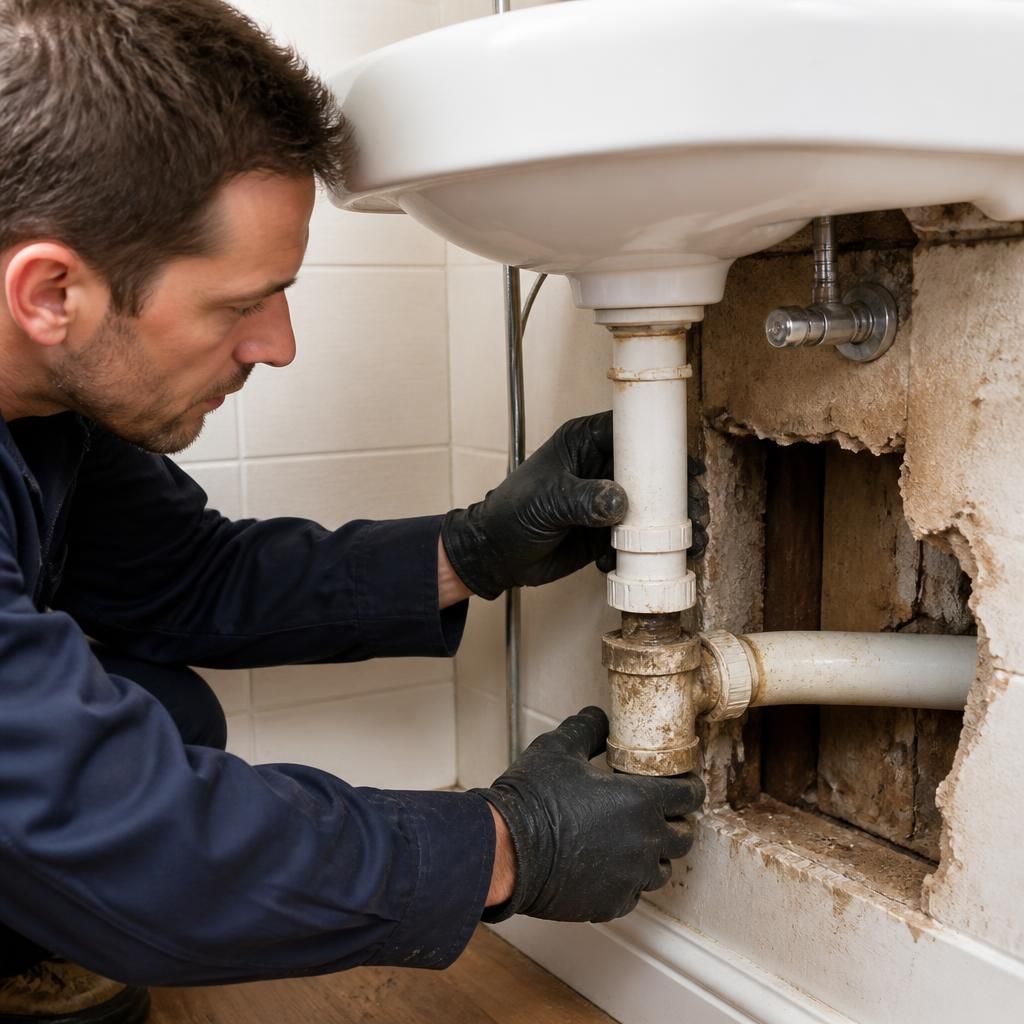
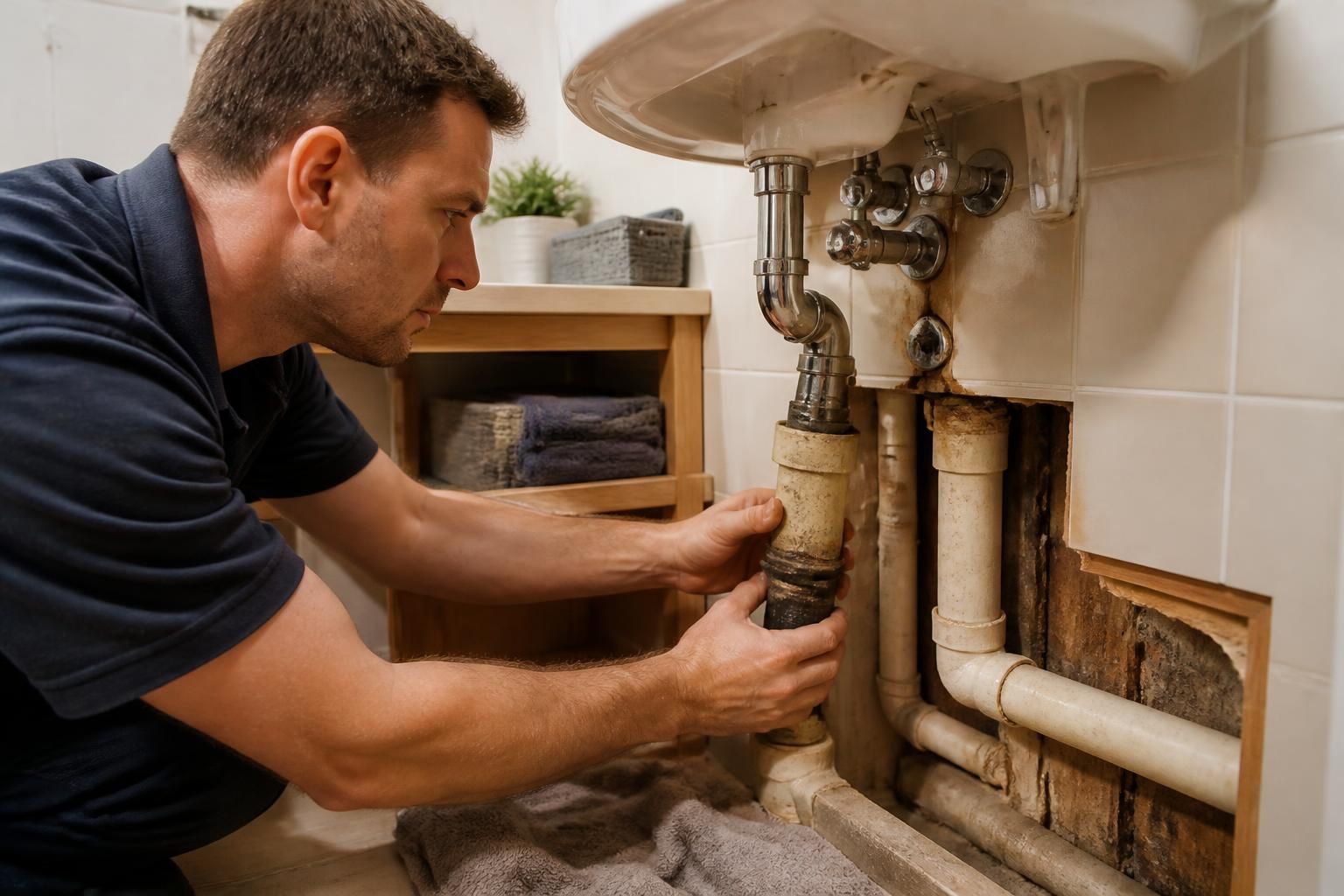
- Accessibility: Pipework beneath a sink or behind a removable access panel is usually simpler to reach than pipework concealed in a wall, floor or boxed-in section. Extra time may be needed where access has to be created and then made good.
- Extent of damage: A localised leak can be repaired without replacing unaffected pipework. Multiple failed joints, movement in the system or damage extending along the pipe can make a larger repair more appropriate.
- Additional defects: Poor falls, loose supports, recurring blockages or incorrectly connected appliances can cause a new repair to fail if they are not addressed as part of the work.
A repair quotation should identify whether it covers investigation, labour, replacement fittings, removal of damaged materials and any access work. It should also explain whether the recommendation is a temporary repair or a longer-term replacement. The cheapest option is not necessarily the most suitable if it leaves weakened pipework or an underlying installation problem in place.
Waste pipe issues commonly show as dripping joints, unpleasant smells, slow drainage or water appearing beneath a basin, bath, shower or sink. Soil pipe faults may produce leaks around toilet connections, damp marks, staining or persistent odours. Continuing to use affected fittings can allow wastewater to spread into flooring, cupboards or adjacent building materials, increasing the eventual scope of work.
Before approving a repair, ask what has failed, which section will be replaced, how the new connection will be tested and whether any surrounding surface will need reinstating. Photographs of the affected area can help with an initial discussion, but they may not show concealed damage or confirm the source of a leak.
Ideal Plumbing Services can inspect waste and soil pipe faults and explain the appropriate repair method before work proceeds. A clear assessment is the best way to establish the actual cost, particularly where pipework is concealed or the visible leak is not located at the failed connection.