Emergency drain unblocking can damage pipes, but the risk depends on the condition of the drainage system, the type of obstruction and the method used to remove it. Sound pipework will usually tolerate an appropriate clearance technique, while old, cracked, corroded, poorly jointed or previously repaired pipes may be more vulnerable to pressure and mechanical contact.
How pipe damage can occur
Damage is more likely when a blockage is treated without first establishing its cause and location. A forceful approach can dislodge joints, enlarge an existing crack or push a weak section out of alignment. Mechanical equipment may also scrape or break fragile internal surfaces if the wrong head or cutting attachment is used. In severe cases, an obstruction may be cleared while a damaged pipe is left leaking below ground or beneath a floor.
- Displaced joints: pressure or repeated rodding can move poorly supported connections apart.
- Cracks and fractures: brittle or weakened pipes can split when an obstruction is forced through.
- Corroded sections: rusted or deteriorated materials may not withstand aggressive equipment.
- Collapsed or deformed pipes: clearing the opening does not repair a section that has lost its shape.
- Existing leaks: water may escape through a damaged joint or fracture once the system is used again.
Which unblocking methods are gentlest?
The safest method is selected after considering the blockage and the pipework. A plunger may be suitable for a nearby, soft obstruction, whereas a flexible auger or drain rod can deal with certain localised restrictions. Mechanical cutting equipment is useful for some roots or hardened deposits, but it must be matched to the pipe diameter and material.
Water jetting can remove grease, silt and other deposits from suitable drainage systems, although high pressure is not appropriate for every installation. Excessive pressure can worsen a weak joint or fracture. Chemical drain cleaners also carry risks: they may fail to dissolve the obstruction, remain in the pipe and create a hazard for anyone carrying out subsequent work. Mixing different products can produce dangerous reactions. They should not be treated as a universal solution for a blocked drain.
Why inspection matters
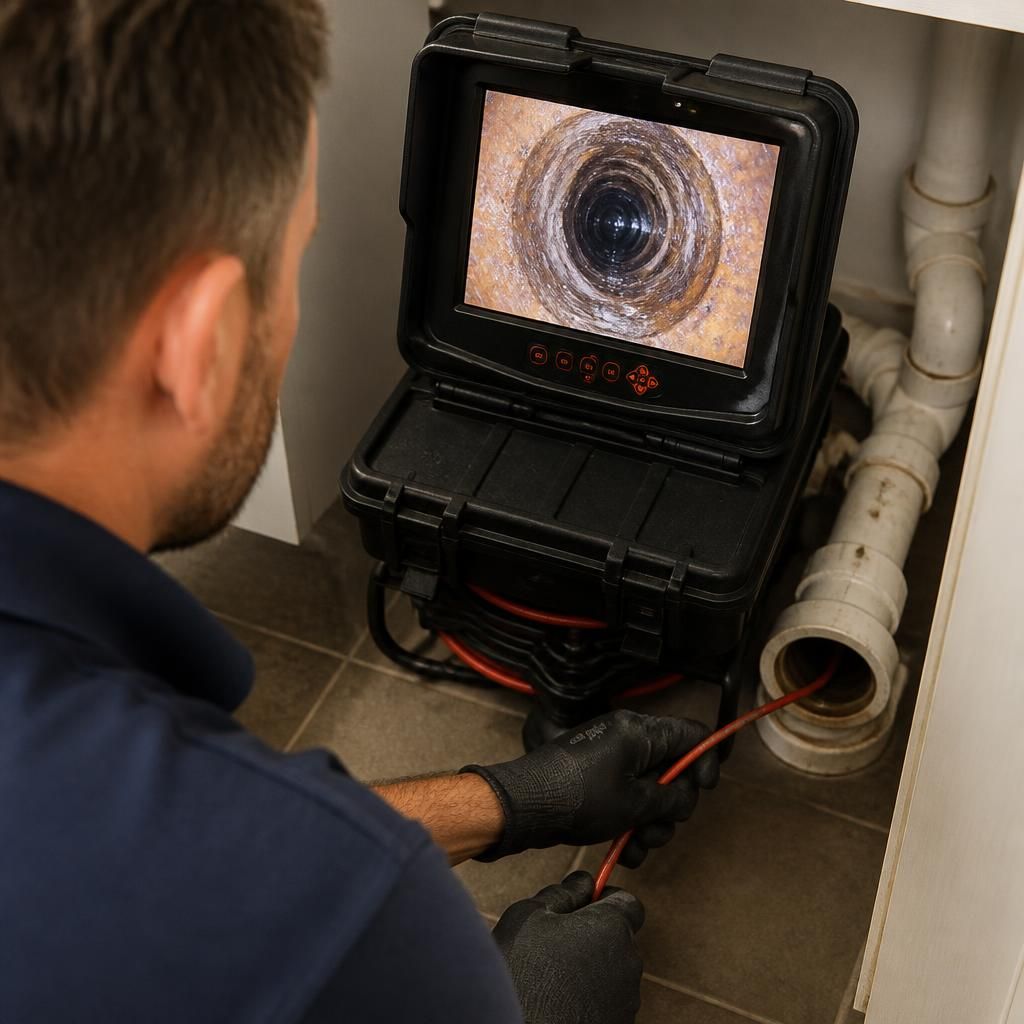
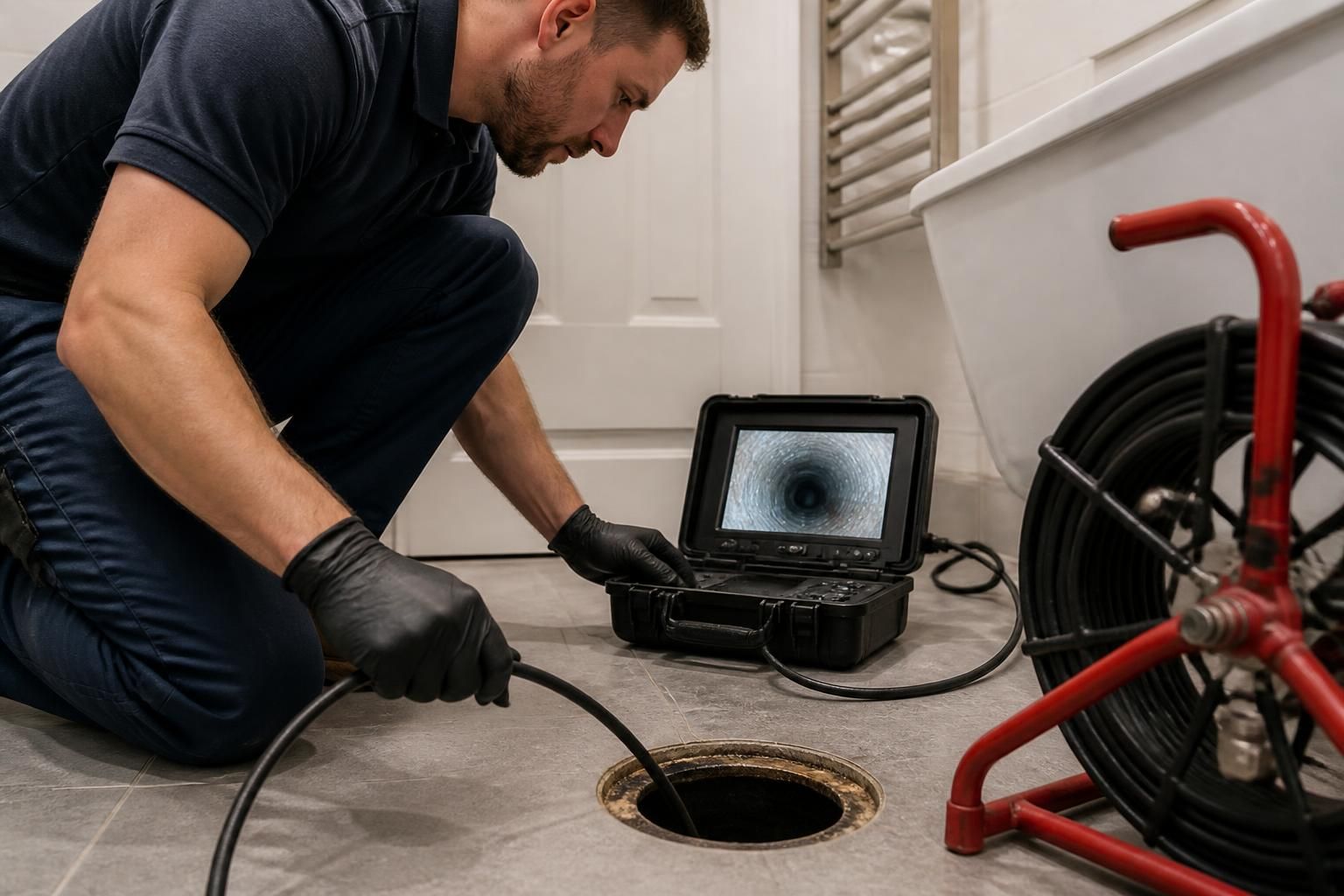
A professional assessment can establish whether the problem is a simple obstruction or a symptom of a wider defect. The type of waste, the position of the blockage, previous repair history and the apparent age and material of the pipework all affect the choice of equipment. Where a blockage repeatedly returns, a CCTV drain inspection can help identify root intrusion, fractures, displaced joints, scale build-up or a collapsed section without unnecessary excavation.
Inspection is particularly important when there are signs of structural damage, including foul smells that persist after clearance, damp patches, unexplained water loss, slow drainage in several outlets, gurgling sounds or repeated backups. These symptoms may indicate that the obstruction is not the only problem.
What a careful clearance process involves
- Confirm which fixtures are affected and identify whether the obstruction is isolated or part of the main drain.
- Assess the likely blockage material and the condition and layout of the accessible pipework.
- Use the least aggressive suitable technique before progressing to more powerful equipment.
- Control the equipment rather than forcing it through resistance that could indicate a structural defect.
- Flush and test the drainage route to check that water is flowing correctly.
- Recommend inspection or repair if the blockage returns or the pipe shows signs of damage.
After clearance, avoid repeatedly pouring strong chemicals down the drain and do not use excessive force with domestic rods. Keep food waste, fats, wipes and other unsuitable materials out of the system, as preventing recurring obstructions reduces the need for intrusive clearance work.
If a drain has been unblocked but wastewater continues to back up, the area becomes damp, or several fixtures remain slow, further investigation is needed rather than repeated attempts to force the blockage through. A qualified plumber or drainage specialist can determine whether the pipe needs cleaning, local repair or replacement.