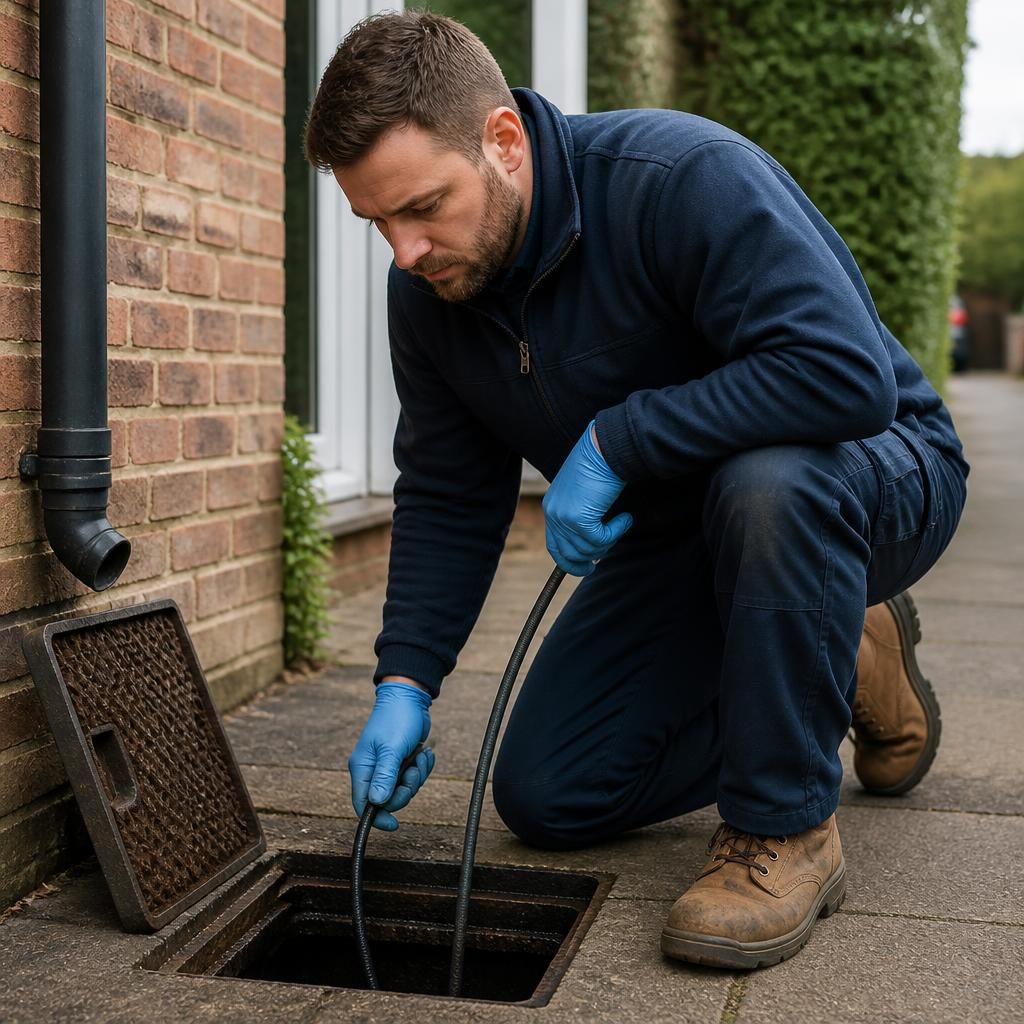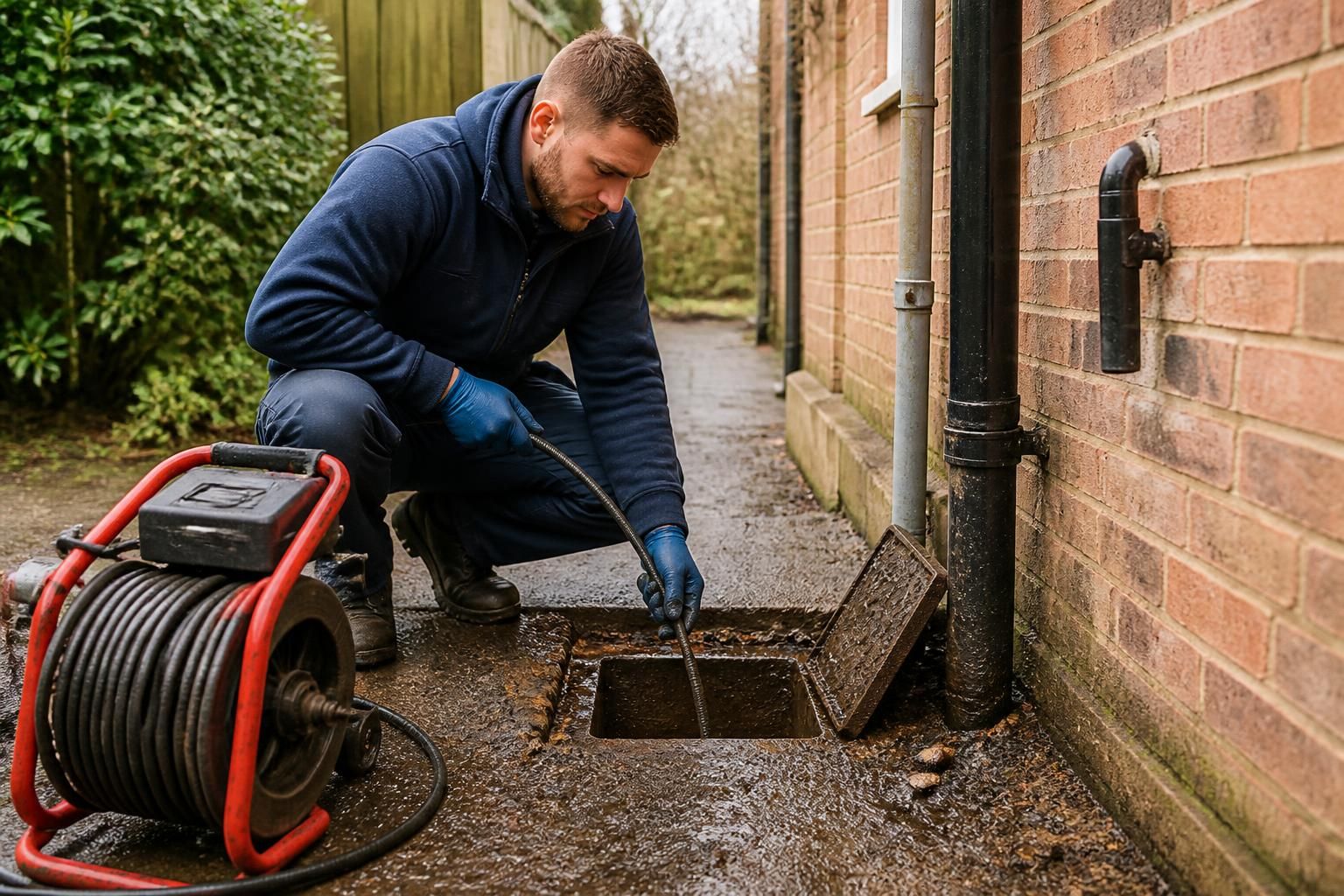
Emergency drain unblocking is appropriate for anyone responsible for, living in or operating a property where a serious blockage is creating a sanitation, access or property-risk issue. The person arranging assistance does not always have to be the property owner, but they should have permission to authorise work or notify the person who does.
Homeowners can arrange an assessment when wastewater is backing up, several fixtures are affected or an outside drain is overflowing. Where the obstruction may be in a shared private drain, it is useful to tell neighbouring properties or the relevant managing agent, as more than one property may be affected.
Landlords can use the service when a rented property has a blocked drain that affects the tenant’s use of the home. They may need to coordinate access, confirm responsibility under the tenancy agreement and decide whether further investigation is needed if the blockage results from a defect, damaged pipework or a recurring drainage problem.
Tenants should normally report the problem to their landlord, letting agent or property manager, particularly before authorising chargeable work. They may still need to provide practical information about the symptoms, prevent further use of affected facilities and explain whether sewage or contaminated water is entering the property. The correct arrangement depends on the tenancy terms and the urgency of preventing damage or hygiene risks.
Local commercial premises can also require emergency drain unblocking where a blockage affects toilets, kitchens, wash areas, customer access or normal safe operation. A manager or other authorised representative should identify the affected areas, explain any site restrictions and confirm who can approve work.
This service is most relevant when the drainage problem is more than a single slow-running sink. Examples include:
- wastewater returning through toilets, sinks, showers or floor drains;
- an overflowing manhole or drain close to a building;
- multiple blocked fixtures that suggest a shared pipe obstruction;
- foul water affecting floors, walls, gardens or access routes; or
- a blockage that prevents essential sanitation facilities from being used.
A minor, isolated slowdown may instead need routine investigation, especially if there is no overflow or immediate hygiene concern. However, repeated blockages should not simply be treated as separate incidents: they can indicate damaged, displaced or poorly functioning pipework and may require a broader drainage assessment.
Before arranging an engineer, the person responsible for the property should note which fixtures are affected, whether water is rising or overflowing, when the issue began and whether previous attempts have been made to clear it. They should avoid mixing chemical drain cleaners, keep people and pets away from contaminated water, and avoid using affected appliances until the cause has been assessed. These details help establish the likely extent of the blockage and the safest approach to clearing it.
Ideal Plumbing Services supports residential customers, landlords, tenants and selected local commercial customers with blocked-drain problems in Birmingham and the wider West Midlands. The appropriate caller is the person experiencing the problem or the owner, landlord, agent or manager authorised to arrange work.