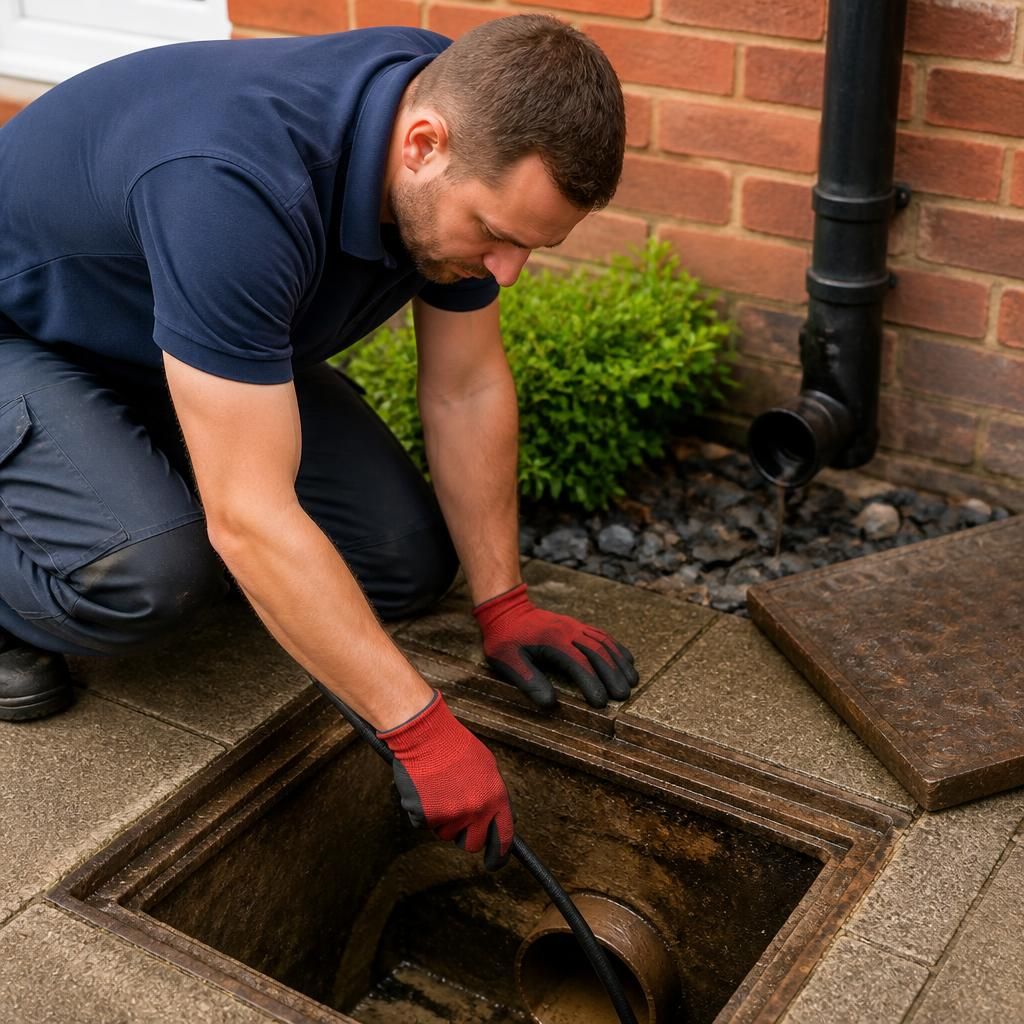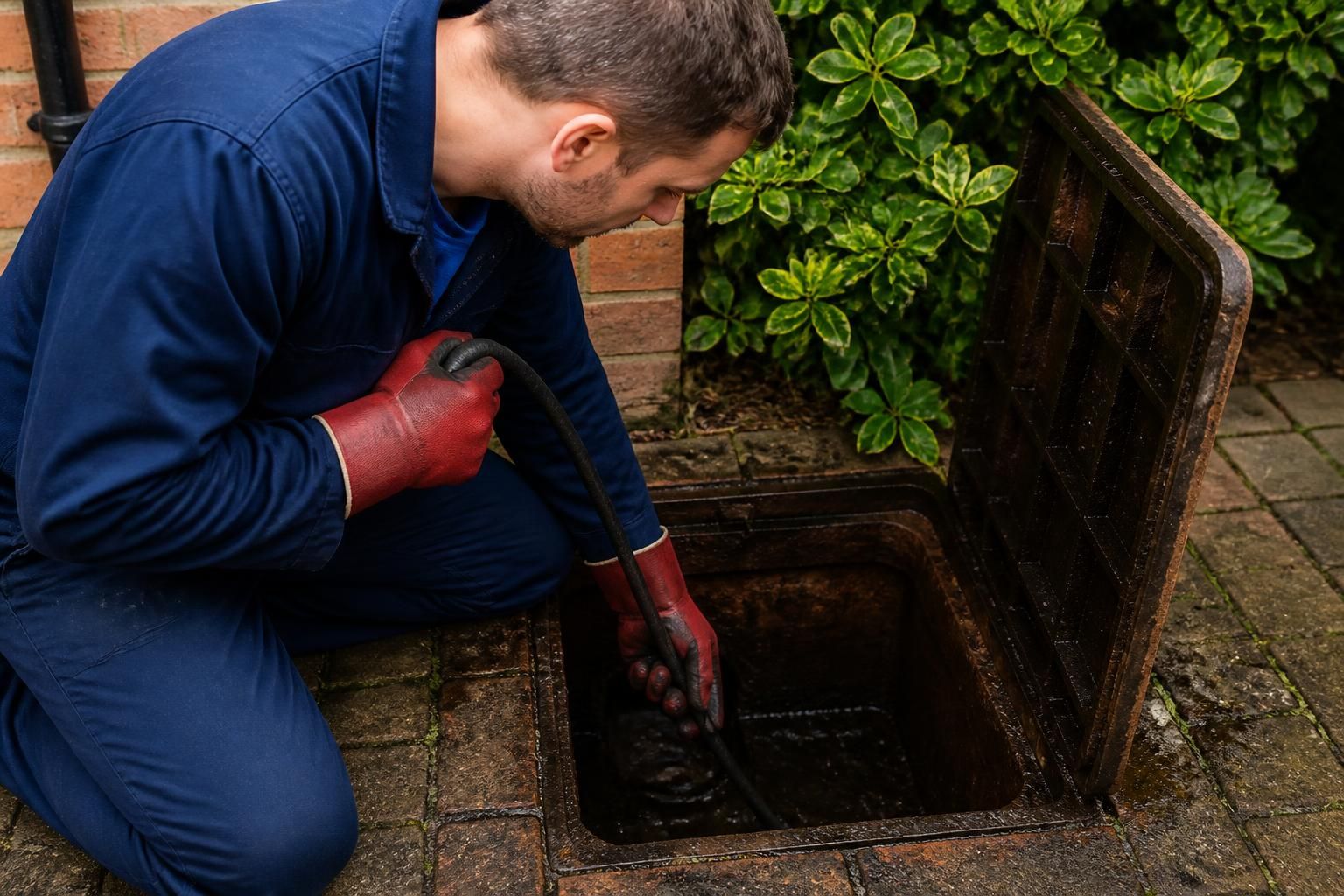
Once an emergency drain blockage has been removed, the next stage is to monitor the drainage system, deal with any contamination or water damage, and establish whether further work is needed. A drain that is open immediately after unblocking is usable, but it may still need observation if the obstruction was severe or the system has a history of recurring problems.
Use affected sinks, toilets, showers and appliances cautiously at first. Release water in small amounts and watch how quickly it disappears. Warning signs after clearance include:
- water draining more slowly than expected;
- gurgling sounds from plugholes or toilets;
- water rising in another fixture when one is used;
- unpleasant smells that continue after cleaning; and
- fresh dampness, staining or seepage around accessible pipework.
These symptoms should not be ignored or treated as a normal after-effect. Stop using the affected fixtures if wastewater begins to return, particularly where more than one drain is involved. Repeated symptoms can indicate that the obstruction has only been partly removed or that a restriction remains further along the drainage run. A further assessment may involve access through a chamber or, where appropriate, a camera survey to locate the problem accurately.
Any wastewater that escaped during the blockage should be treated as contaminated. Keep children and pets away from the area, wear suitable gloves when handling affected items, and clean hard surfaces with an appropriate disinfectant. Porous materials such as rugs, soft furnishings or damaged plasterboard may need separate treatment or replacement if they have absorbed foul water. Do not mix cleaning products, as some combinations can release hazardous fumes.
Check for secondary damage once the area is safe. Look beneath sinks, around toilet bases, beside appliances and near inspection covers for swelling, staining or loose seals. Photograph damage before disposing of affected items and retain the plumber’s invoice or report. This information can be useful for a landlord, insurer or property manager, although cover and responsibility depend on the relevant agreement or policy.
If the blockage returns, avoid repeatedly pouring strong chemical drain cleaners into the system. They may not remove a deeper obstruction and can leave corrosive liquid in the pipe, creating a risk for anyone who later works on it. Tell the plumber what happened, which fixtures were affected, how often the problem has occurred and whether the drain backed up indoors or outside. Those details help determine whether the next step should be targeted cleaning, a camera inspection, pipe repair or investigation of a shared drainage section.
Homeowners should keep a record of recurring blockages and any recommended maintenance. Landlords should provide tenants with clear instructions for reporting a repeat problem and arrange follow-up work where the issue may relate to the property’s drainage installation. Tenants should report symptoms promptly rather than attempting extensive repairs themselves, especially if wastewater is entering the home.
A properly completed job therefore does not end when the obstruction moves away. The practical follow-up is to observe the system under normal use, clean and document any contamination or damage, and arrange further investigation if slow drainage, smells, noise or backflow reappear.