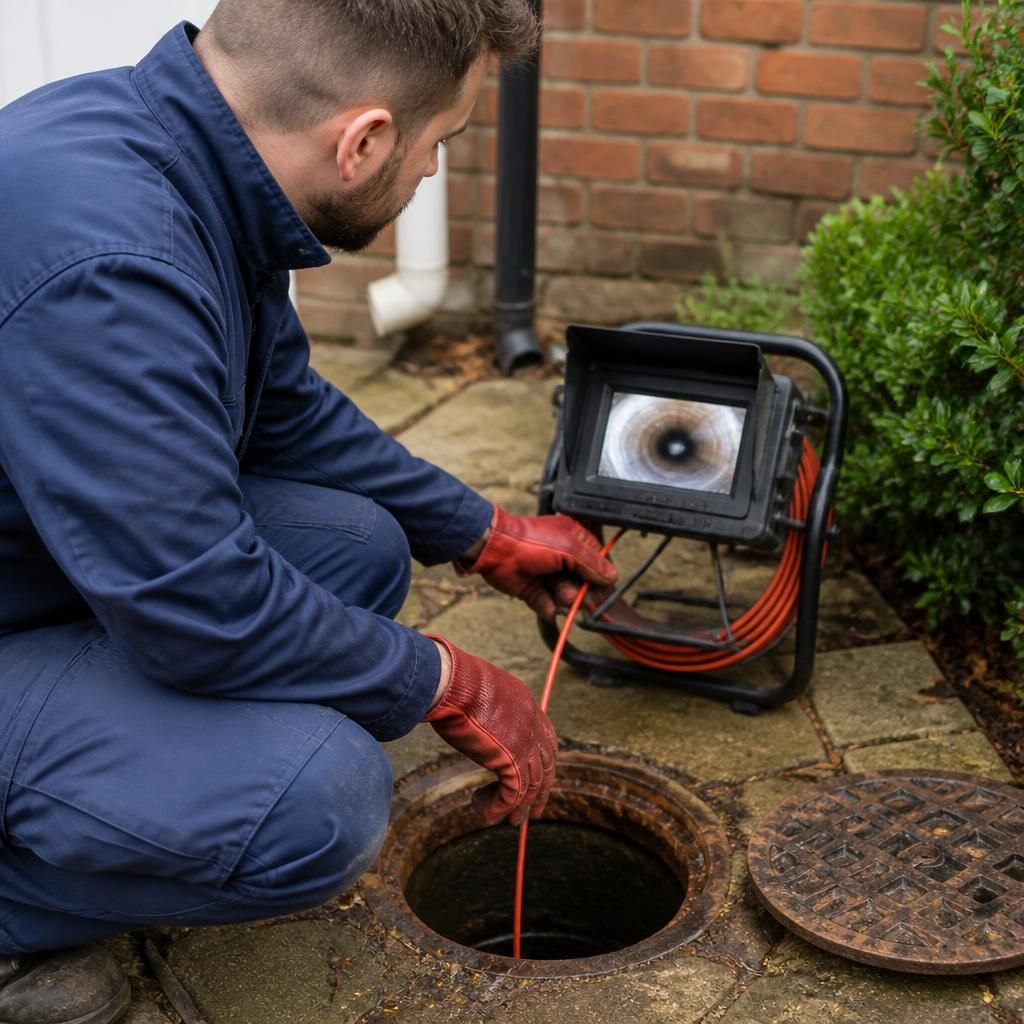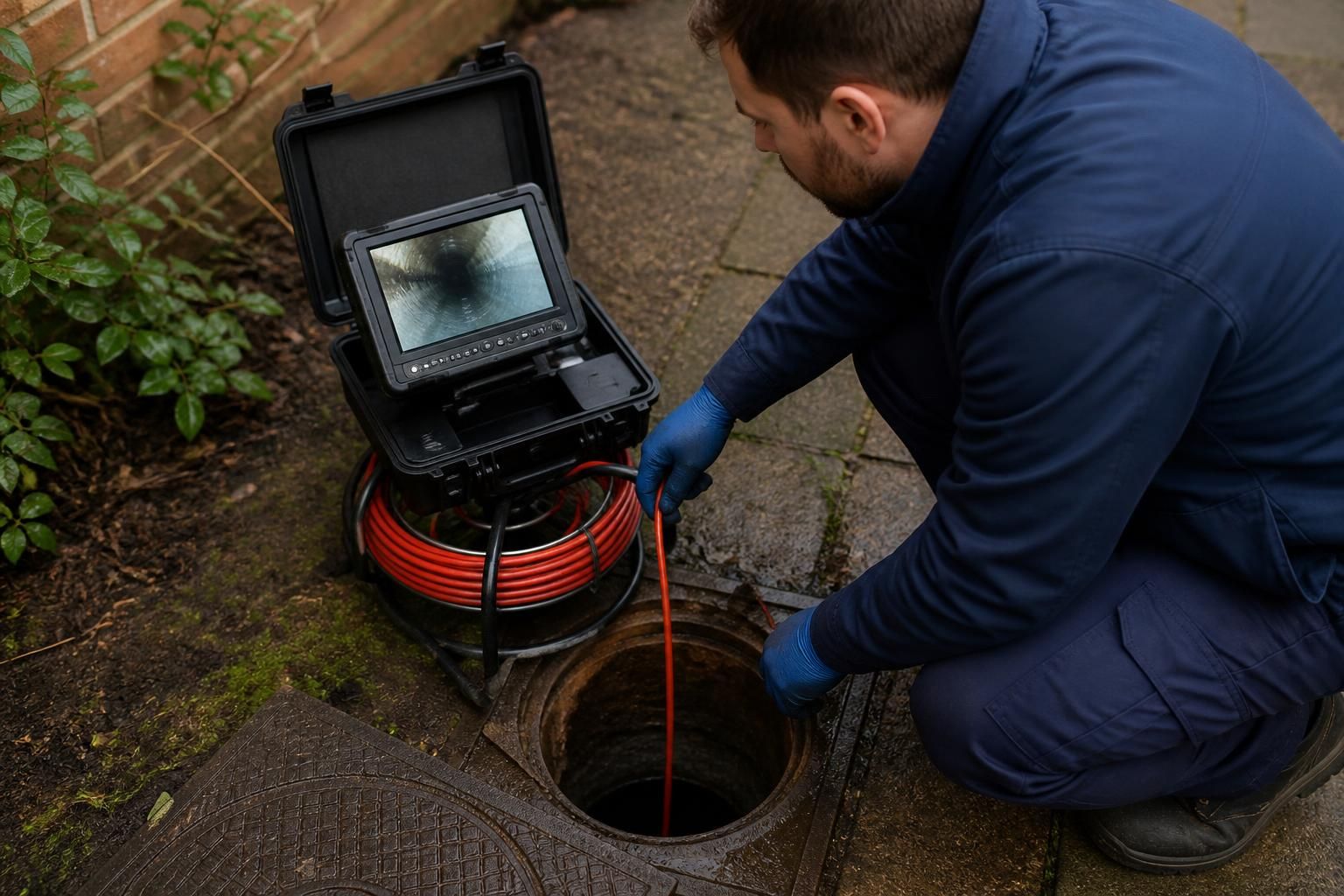
External drain unblocking is usually priced according to the work required rather than as a single fixed service. The final charge can be influenced by whether the obstruction can be cleared using standard methods, whether investigation is needed to identify the cause, and whether the drainage system has suffered damage that requires separate repair.
Nature of the blockage: A simple accumulation of debris, grease or organic matter may require less work than a dense obstruction caused by roots, silt or foreign objects. Some blockages can be cleared with mechanical equipment, while more compact or extensive obstructions may require water jetting or other specialist methods. The equipment used and the time needed to operate it can affect the overall cost.
Extent of the obstruction: The position and length of the affected section matter. A blockage close to an accessible inspection chamber may be easier to deal with than one located deep within a private drain run. If several chambers or connected sections need to be checked, the inspection and clearance process may involve additional labour.
Drain condition: Unblocking may reveal a separate fault, such as a displaced joint, cracked pipe, root ingress or a collapsed section. Clearing the immediate obstruction does not repair these underlying problems. Where a camera survey or other investigation is needed, this is normally considered as an additional part of the work. Any excavation, pipe repair or replacement should be explained separately from the initial unblocking.
Access and preparation: The cost can also reflect how the drainage system is reached. Covered or buried inspection chambers, restricted access, paving, decking, garden structures and accumulated water can make the work more involved. If access must be cleared or a chamber opened before equipment can be used, this may add to the labour required.
Equipment and disposal: Some jobs require specialist drain rods, jetting equipment, inspection cameras or tools for removing a particular obstruction. Waste, silt and other material removed from the drain may also need to be contained and disposed of correctly. These requirements should be included in an explanation of the proposed work rather than left unclear.
Whether the work is private or shared: Responsibility can affect what work is needed and who should arrange it. A blockage within a property's private drainage system is generally dealt with by the property owner or occupier, whereas a shared drain may involve other properties or the relevant authority. Establishing the affected section before work begins can prevent unnecessary repairs being included in the estimate.
Before agreeing to the work, ask for a clear breakdown covering the assessment, the unblocking method, equipment, labour, waste disposal and any recommended follow-up repairs. It is also sensible to confirm whether investigation is included, whether further work requires approval, and whether the quoted amount includes VAT where applicable. A reputable quotation should distinguish between clearing the current blockage and correcting the fault that caused it.
Repeated blockages should not be treated as a series of unrelated call-outs. They can indicate poor falls, damaged pipework, root growth or an obstruction that has only been partly removed. A more complete inspection may cost more initially, but it provides better information about the drainage system and helps determine whether a lasting repair is required.
For properties in Birmingham and across the West Midlands, Ideal Plumbing Services can assess external drainage problems and explain the work needed before proceeding. The appropriate solution depends on the evidence found at the property, so a precise cost should be confirmed after the drain and access conditions have been assessed.