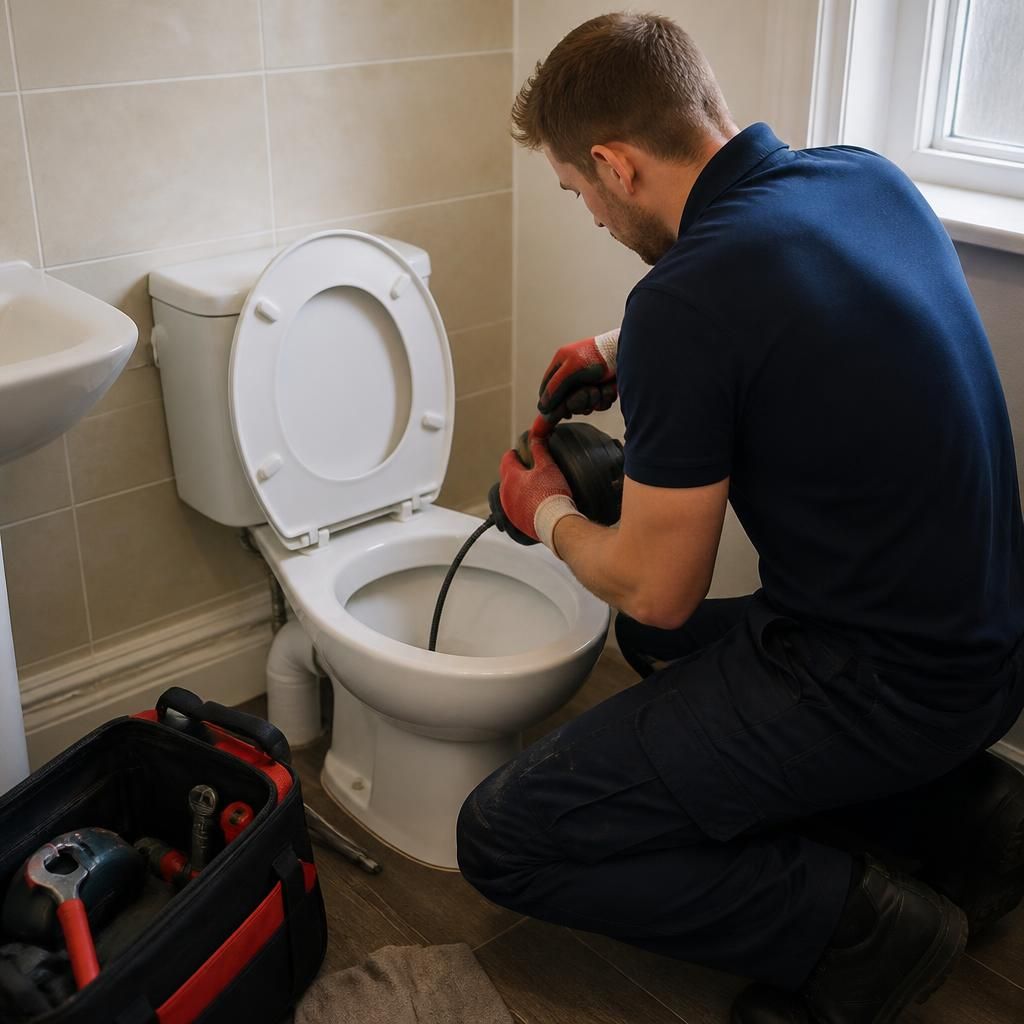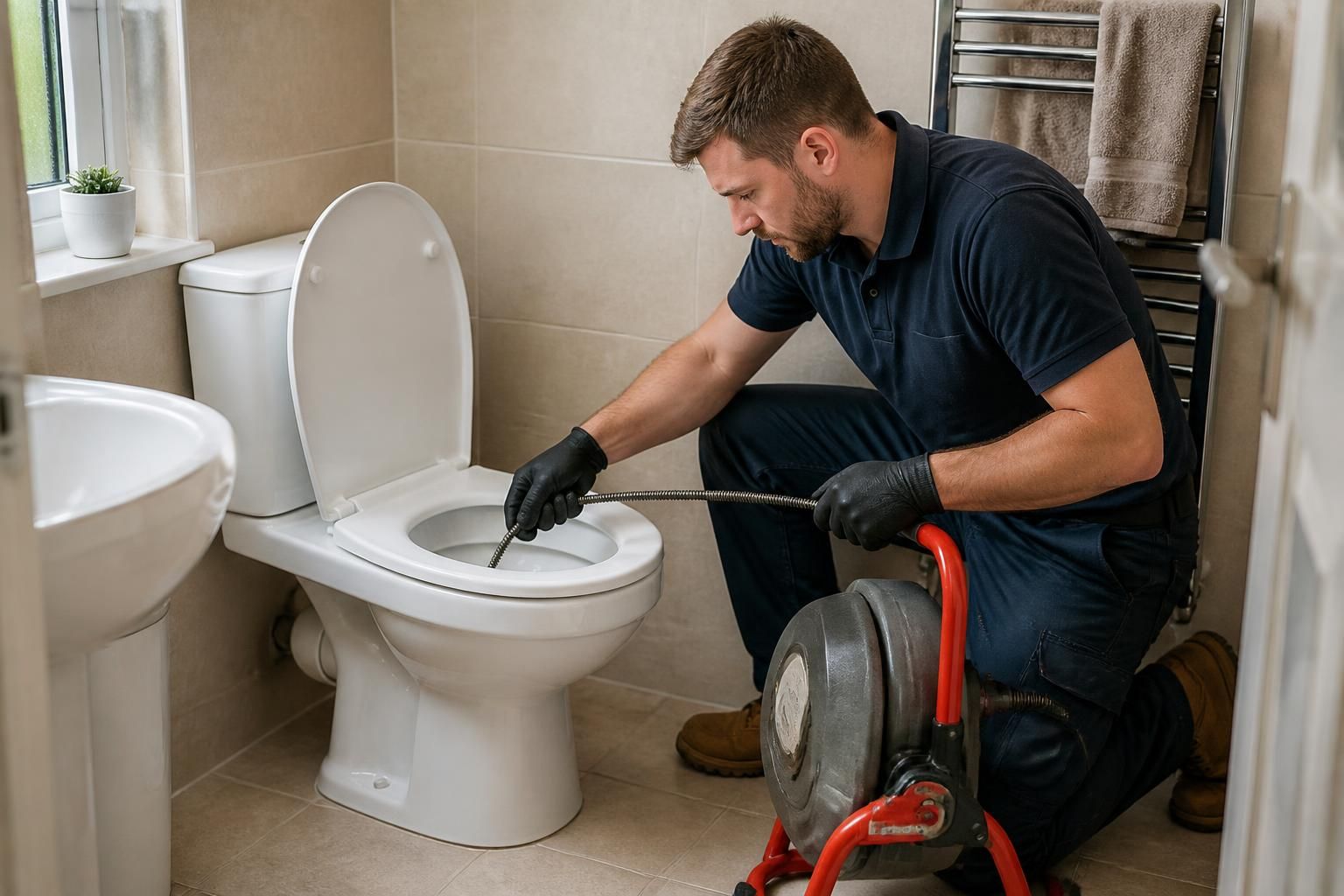
Responsibility for a blocked toilet in a rented property usually depends on two things: what caused the obstruction and what the tenancy agreement says about reporting and repairs. The landlord is generally responsible for maintaining the property’s sanitary installations, while a tenant may be liable where the blockage resulted from misuse, negligence or an item being flushed that should not have been.
In England, a landlord’s repair obligations commonly include the toilet, pipes and drainage systems serving the property. This does not necessarily mean that every call-out is the landlord’s financial responsibility. For example, a blockage caused by a defect in the plumbing, a damaged pipe or a problem affecting the wider drainage system will normally be treated differently from one caused by wipes, sanitary products, excessive paper or a foreign object.
The tenancy agreement may explain how plumbing problems must be reported, whether the landlord or managing agent arranges contractors, and when a tenant can recover the cost of emergency work. Check these terms before instructing a plumber, and keep a record of when the problem was noticed and who was contacted.
- Contact the landlord or letting agent: Describe the symptoms accurately, including whether the toilet is slow to drain, backing up or overflowing.
- Stop using the toilet: Further flushing can raise the water level and cause contaminated water to spill onto the floor.
- Protect the bathroom: Move loose items away from the toilet and use towels to limit the spread of water, without putting yourself at risk of contact with sewage.
- Do not use unsuitable chemicals: Drain cleaners can damage components, create hazardous fumes or expose a plumber to chemical residue during the repair.
- Keep evidence: Save messages, photographs and invoices, particularly if the cause of the blockage or responsibility for payment could later be disputed.
If the landlord authorises a contractor, provide access and explain any relevant history, such as a previous blockage or recent repair. A plumber can usually investigate the visible toilet and connected pipework, identify the likely point of obstruction and use an appropriate method to clear it. The method may involve a plunger, mechanical equipment or inspection of the drainage run, depending on the obstruction and the property’s plumbing.
A tenant should not normally arrange non-urgent work and then assume the landlord will reimburse the cost. Written approval is safer. If the toilet is overflowing or a continuing leak is causing damage, notify the landlord or agent immediately and follow the tenancy agreement’s emergency repair procedure. Where professional intervention is needed to prevent further property damage and the responsible party cannot be reached, keep detailed evidence of the problem, attempts to make contact and the work carried out. Whether the cost can be recovered will depend on the circumstances and the agreement.
Responsibility may be less straightforward in a block of flats, a house in multiple occupation or a property with shared drains. A blockage beyond the individual toilet may involve communal pipework or a managing agent rather than the occupier alone. Avoid dismantling the toilet or attempting invasive work without permission, as this can make the damage and liability harder to assess.
After the obstruction has been cleared, ask what caused it and whether any further repair is recommended. If the same toilet repeatedly blocks, the underlying issue may be inadequate drainage, a damaged pipe, poor falls or an object remaining in the system rather than a one-off blockage. A written description of the findings can help the tenant and landlord decide who should arrange any follow-up work.
Ideal Plumbing Services assists homeowners, landlords and tenants with blocked toilets and related plumbing problems in Birmingham and across the West Midlands. When arranging an assessment, explain that the property is rented and confirm who has authorised the work so that access, findings and payment arrangements are clear from the outset.