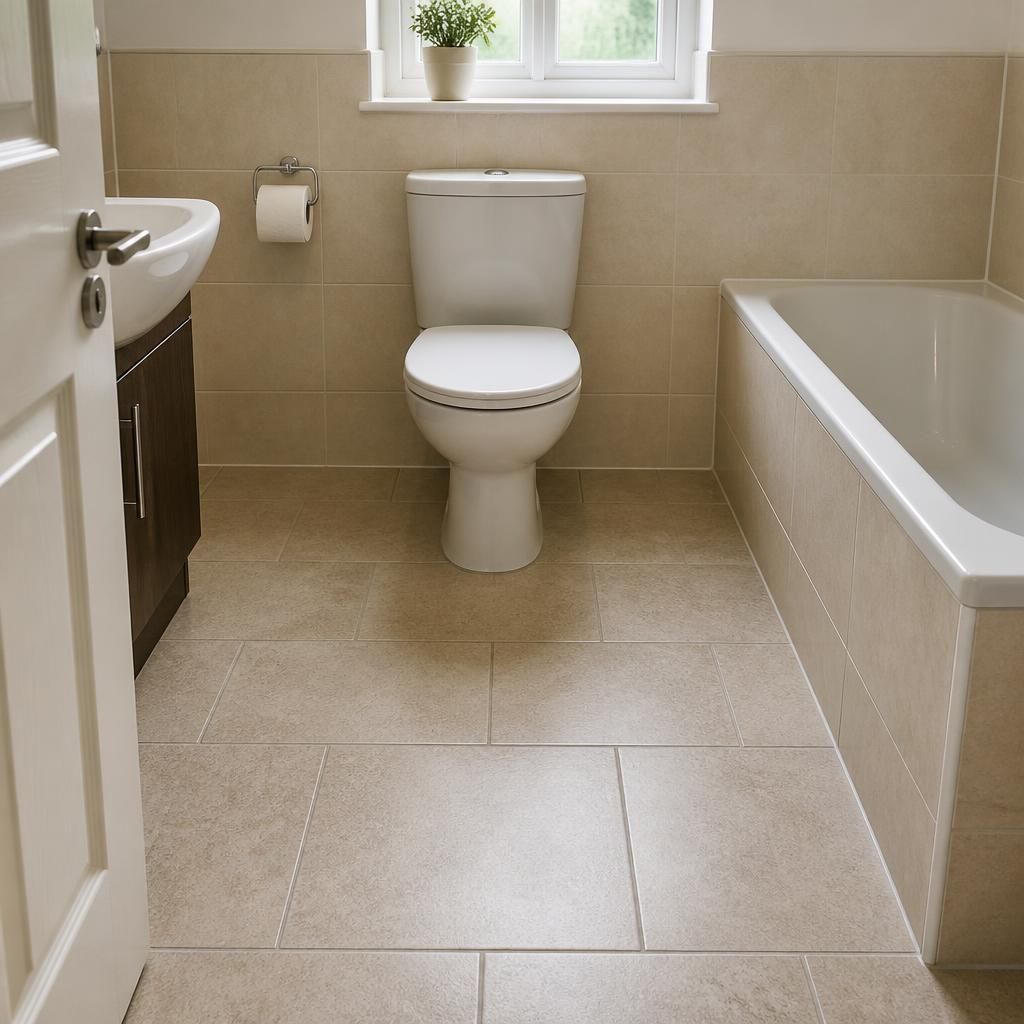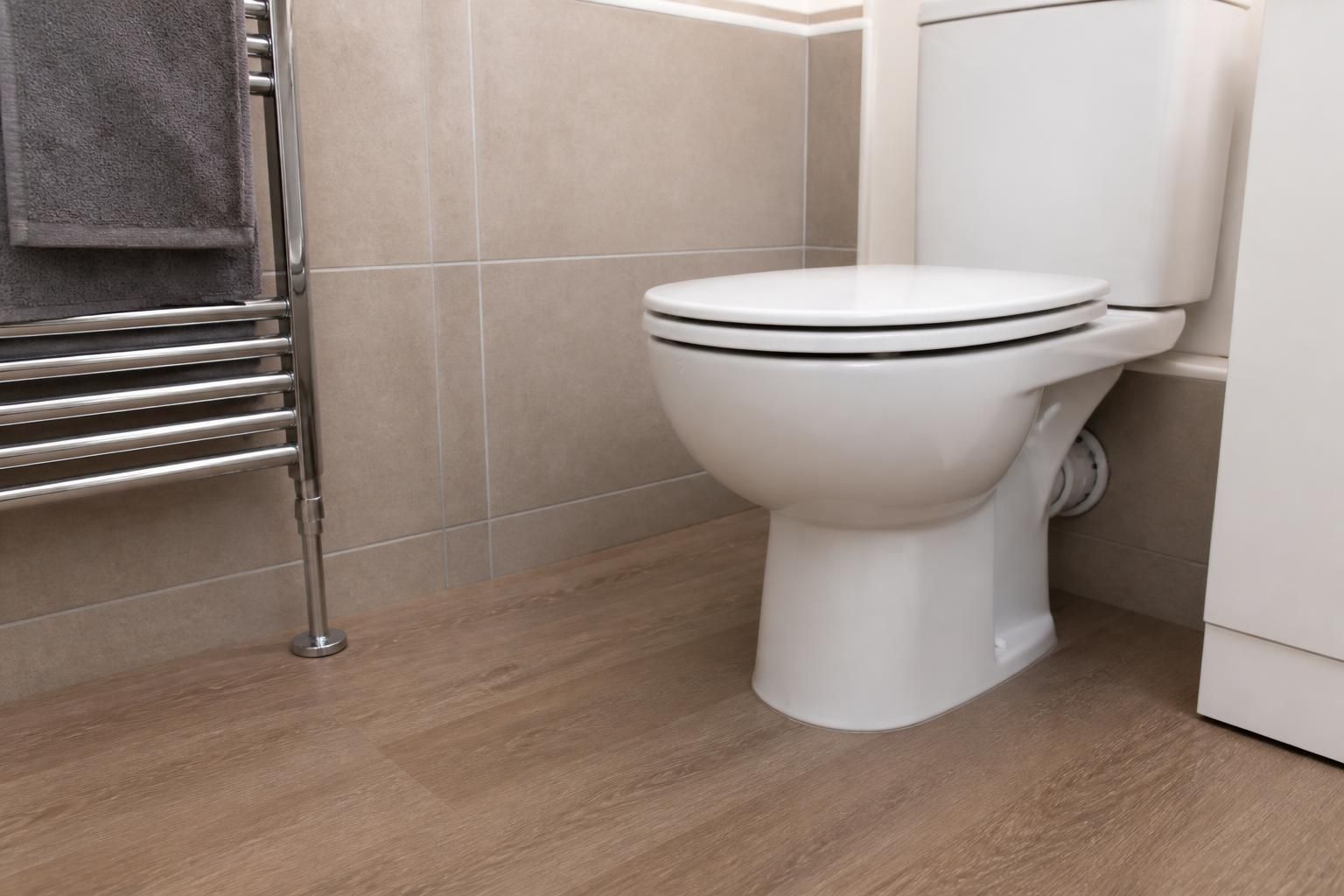
Preparing your bathroom for toilet drain unblocking means making the area safe to work in, preventing further contamination and giving the plumber useful information about the blockage. The most important preparation is to avoid adding chemical drain cleaner or attempting to dismantle the toilet before the cause has been assessed.
Do not use chemical unblockers. Caustic or acidic products can remain in the trap or pipework and may splash during plunging, rodding or removal work. Tell the plumber if any chemical product has already been used, including its name if known. Do not mix different products, and avoid putting boiling water into the toilet, as this can damage ceramic or seals.
Keep people and animals away from the work area. Close the bathroom door where practical and keep children and pets away while the obstruction is being investigated. If wastewater has escaped, treat the affected area as contaminated: avoid direct contact, use suitable gloves for basic cleaning and wash your hands thoroughly afterwards. Do not use the toilet again until it has been checked.
Gather relevant information before the plumber arrives. Make a note of when the problem began, whether the toilet is slow to drain or completely blocked, and whether nearby sinks, baths or showers are also backing up. Tell the plumber if the blockage followed an unusual item being flushed, if the problem has happened before, or if there are signs of a wider drainage issue. This information can help distinguish a local toilet blockage from a problem further along the soil or drain pipe.
Keep access to the toilet and surrounding fittings practical. The plumber may need to inspect the pan, trap, cistern connections and nearby pipework. Do not try to remove the toilet, disconnect the cistern or take off access panels unless specifically advised, because disturbing seals and connections can create additional leaks. If the toilet is boxed in or has concealed pipework, mention this in advance so the likely access requirements can be considered.
Have details available about any previous repairs, recurring blockages or work carried out on the bathroom. If the property is rented, inform the landlord or managing agent in line with the tenancy arrangements before authorising non-essential work. For a serious blockage or escape of wastewater, record the visible damage and follow any required property or insurance reporting process, but avoid delaying essential safety measures.
Once the area is prepared, the plumber can assess whether the obstruction is in the toilet trap, the connecting pipe or the wider drainage system. The appropriate method may involve plunging, mechanical equipment or inspection of the pipework. Preparation cannot guarantee that the toilet will not need to be removed, but avoiding chemicals and unauthorised dismantling reduces unnecessary risks and helps the assessment begin safely.