For many straightforward domestic cases, leak detection can be completed during one inspection appointment. More time may be needed where the leak is concealed, intermittent, difficult to access or connected to more than one section of the plumbing system. The time spent locating the source is separate from any repair work that follows.
A typical assessment may include:
- Discussing the symptoms, such as damp patches, staining, unexplained water use, reduced pressure or sounds within walls and floors.
- Inspecting visible pipework, appliances, sanitaryware, ceilings, walls and flooring for signs of moisture.
- Checking relevant valves, fittings and plumbing circuits to narrow down the affected area.
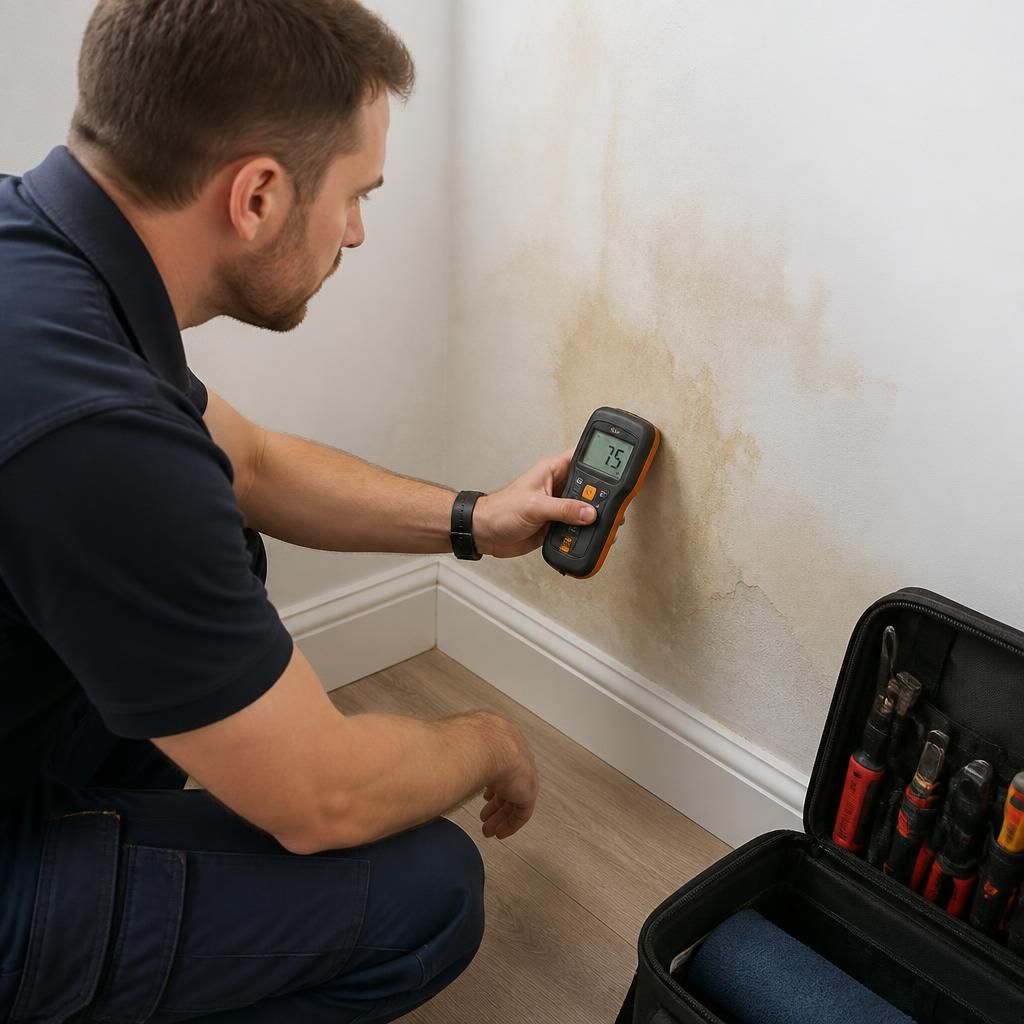
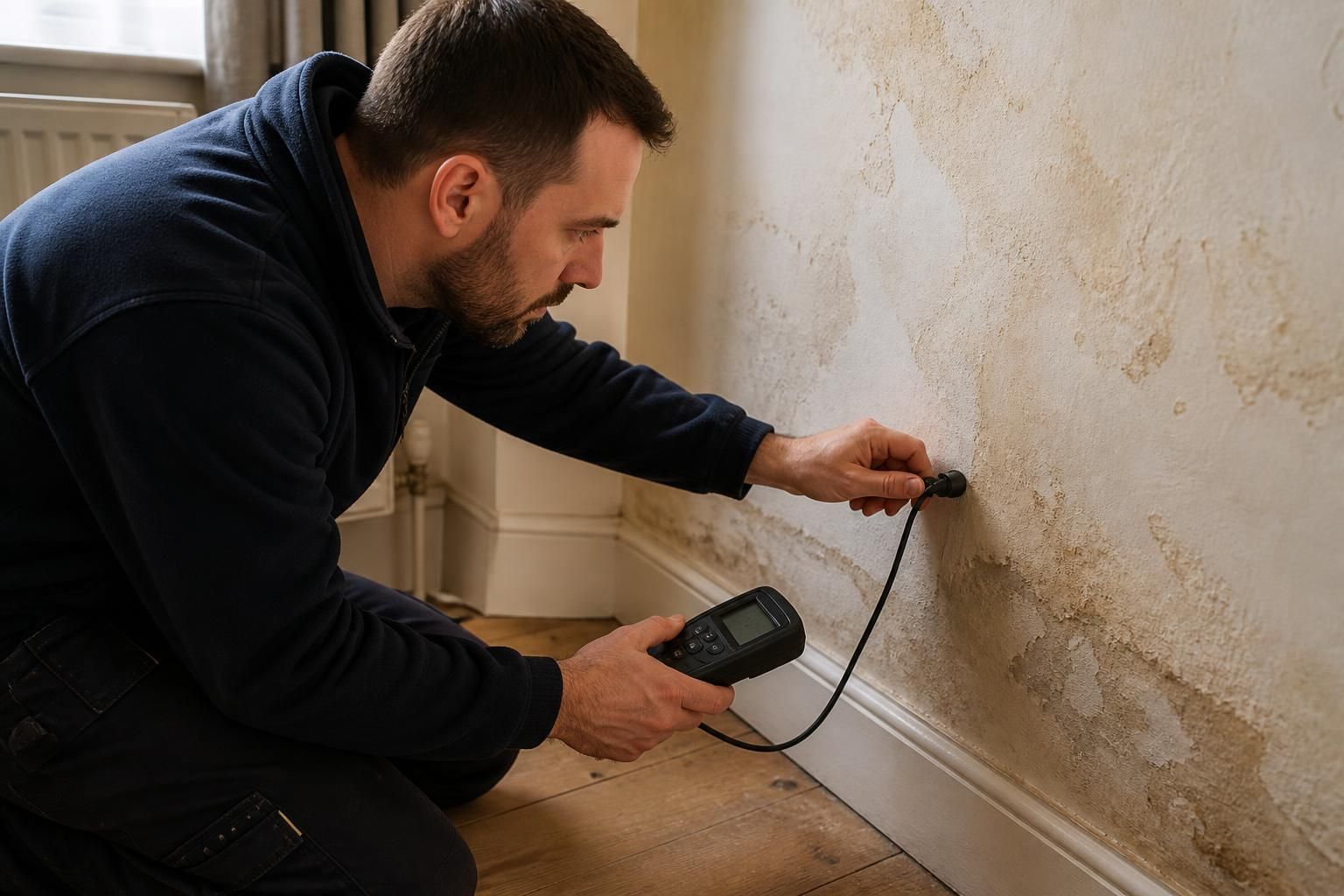
- Using suitable detection equipment to trace concealed water, where visual inspection cannot identify the source.
- Confirming the likely location and explaining whether further access or a separate repair is required.
The condition of the property can affect the duration. A leaking tap, toilet connection or exposed pipe is generally easier to assess than a leak beneath a floor, behind a wall or within a ceiling. Restricted access, built-in units, floor coverings and stored belongings may also make inspection more involved. If water is escaping only under particular conditions, such as when a heating or water system is operating, the relevant system may need to be tested before the source becomes clear.
Intermittent leaks can take longer to trace because there may be no visible water when the inspection begins. The plumber may need to compare pressure, flow, moisture readings or other evidence from different parts of the property. A suspected leak from a concealed pipe may also require checks in adjacent rooms or on the floor above or below, rather than an examination of one visible fitting.
Detection and repair should be treated as two stages. Once the source has been located, the plumber can explain the appropriate repair and whether access needs to be created. A simple accessible repair may be dealt with as part of the same visit, while replacing concealed pipework, removing fixtures or making good building finishes may require additional work.
To help the inspection run efficiently, provide details of when the problem was first noticed, where dampness or staining has appeared and whether it changes when taps, toilets, appliances or heating are used. Clearing access to visible pipework and keeping records of recurring symptoms can also help the plumber narrow down the cause more effectively.
Ideal Plumbing Services carries out domestic leak detection for homeowners, landlords and tenants in Birmingham and the wider West Midlands, with findings explained clearly before any recommended repair is undertaken.