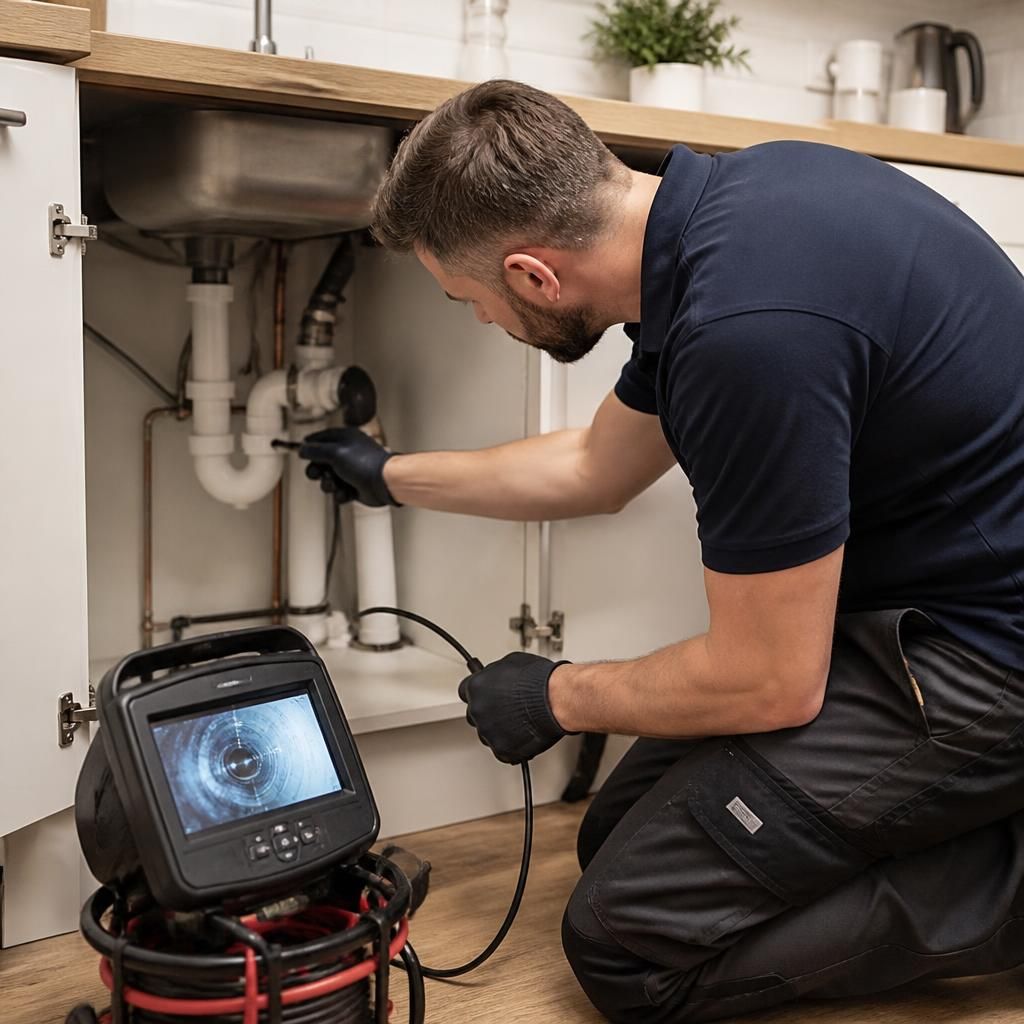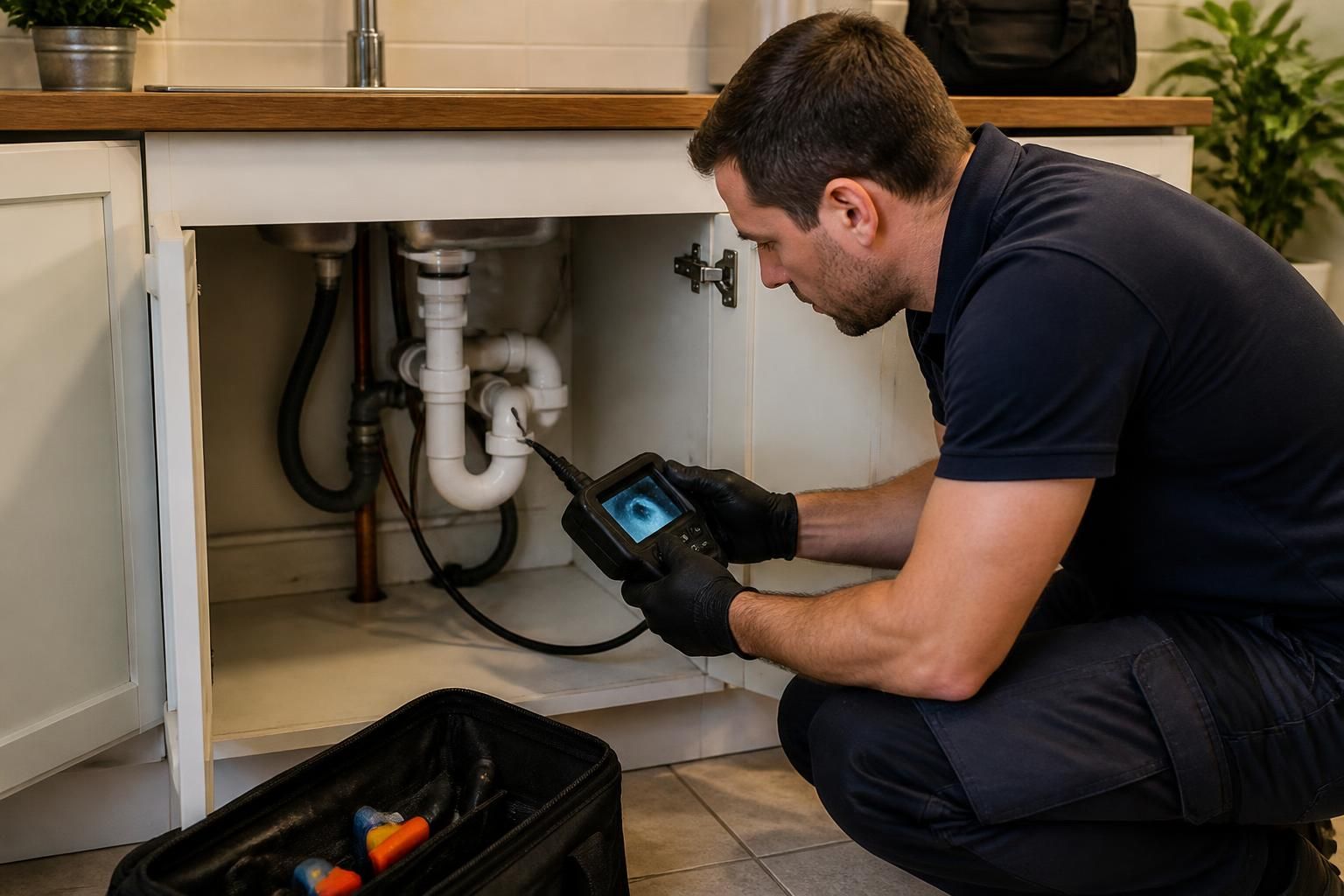
The best preparation for professional leak detection is to preserve the evidence, make the property safe and ensure the plumber can reach the relevant controls and affected areas. Avoid covering, cleaning or repairing signs of the leak before the assessment, as changes to the area can make the source more difficult to identify.
Take sensible safety precautions first. If water is close to sockets, appliances, consumer units or other electrical equipment, do not enter the area or touch electrical fittings. If it is safe to do so from a dry position, isolate the affected electrical circuit and keep people away from the area. Do not climb into confined roof spaces, lift flooring or remove panels unless they are designed for safe access.
Know where the main controls are located. A plumber may need to check the stop tap, water meter, central-heating controls or other isolation points as part of the investigation. If you know where these are, make sure they are not blocked by stored items. Do not operate unfamiliar valves if they are stiff, damaged or difficult to identify; explain the situation to the plumber instead.
Leave the affected surfaces in their current condition. Do not paint over staining, fill cracks, replace damaged sealant or use a dehumidifier to remove moisture immediately before the visit. These actions can remove useful clues, including the shape and spread of dampness. If water is actively escaping, contain it safely with a suitable container or towels where possible, but avoid disturbing fixed fittings or opening walls and ceilings.
Prepare useful property information. Tell the plumber about any recent alterations, such as a new bathroom, kitchen, radiator, appliance connection, flooring or extension. Information about previous leaks, recurring dampness or rooms affected after particular plumbing use can help narrow down the source. If the property is rented, arrange permission for investigation and inform the landlord or managing agent before work begins.
Allow suitable working conditions. Keep children and pets away from the inspection area and move fragile items from nearby surfaces. Good lighting can help with the initial visual assessment, while a clear route between the entrance, service controls and affected room reduces unnecessary handling of household belongings. If access to a loft, cellar or service cupboard is required, check that it is safe and reasonably accessible before the appointment.
Leak detection can involve visual checks, pressure testing, acoustic equipment, moisture measurements or thermal imaging, depending on the type of leak and the construction of the property. The plumber may therefore need to examine more than the location where staining first appeared. Water can travel along joists, behind walls or beneath flooring, so the visible mark is not always directly above or beside the source.
Before any investigation starts, explain your concerns and identify areas where you want damage avoided or kept to a minimum. Ask what checks are proposed, whether isolation of a supply is necessary and what further investigation would involve if the source is not immediately visible. This gives you a clear understanding of the process before any repair or access work is considered.
If the leak appears to be worsening or is affecting electrical equipment, prioritise safety over preparation. Isolate the water supply only if you can do so safely, keep people away from the affected area and provide the plumber with accurate information about what happened. Professional leak detection in Birmingham homes can then begin with the property, its occupants and the available evidence properly protected.