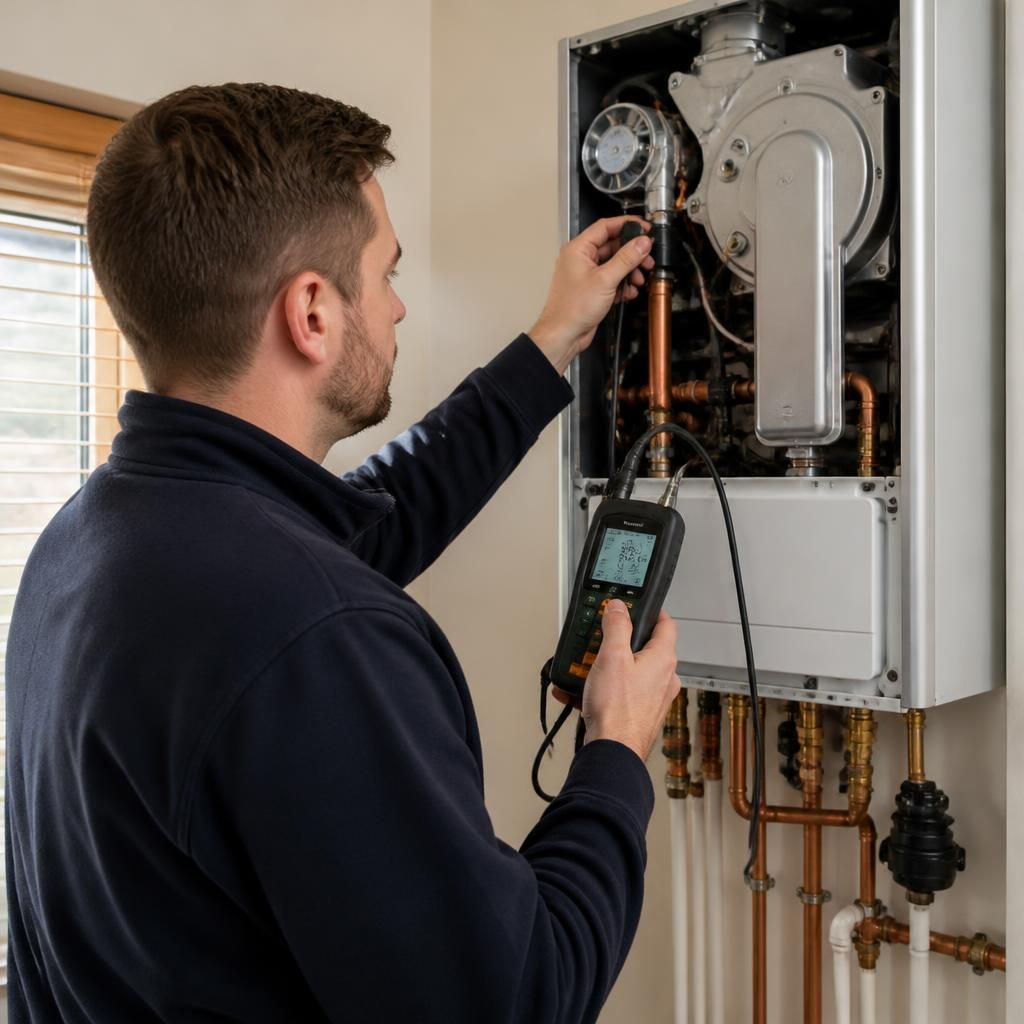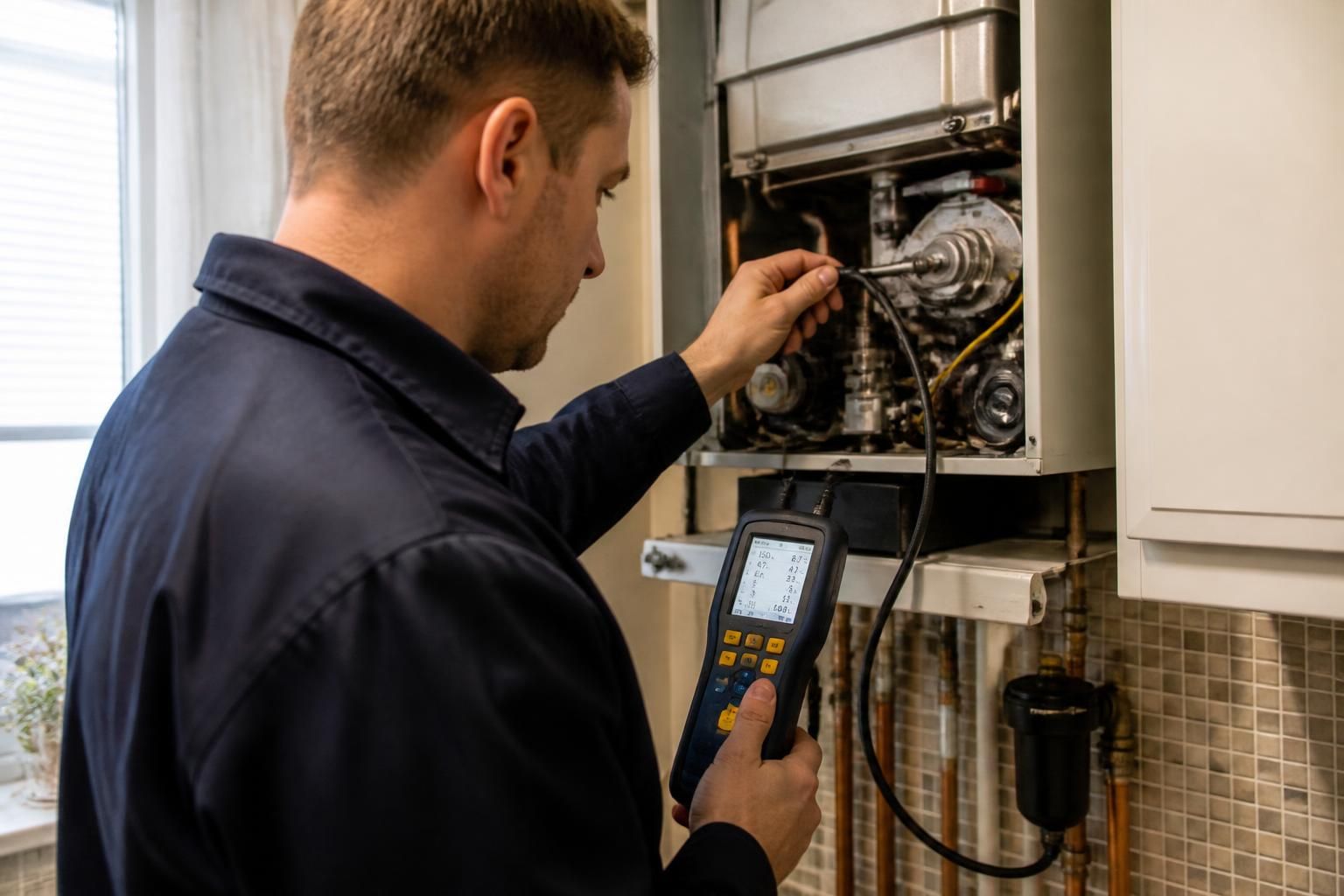
The essential qualification profile is not a single certificate. A competent domestic gas engineer should have verified competence for the specific appliance and task involved, a sound understanding of gas safety, relevant practical experience and the ability to assess whether an installation complies with current requirements.
Appliance-specific competence
Gas work is divided into different areas of competence. Someone qualified to service a gas boiler may not automatically be qualified to install or repair every other type of appliance. Before work begins, check that the engineer’s recorded categories cover the equipment involved, such as:
- Domestic boilers and central-heating systems
- Gas fires and room heaters
- Gas cookers and hobs
- Unvented or open-flued appliances, where applicable
- Installation, servicing, repair or testing, depending on the work required
This distinction matters because each appliance type can involve different combustion arrangements, flue requirements, ventilation provisions and safety checks.
Technical knowledge and practical assessment
A properly trained engineer should understand gas pressure, combustion, ventilation, flue performance and the safe isolation of appliances. They should also know how to identify unsafe conditions, investigate faults methodically and carry out testing after completing work. Practical assessment is important because knowledge of regulations alone does not demonstrate that someone can safely work on a live domestic installation.
For boiler and heating work, useful competence includes understanding system controls, circulation, expansion, condensate arrangements and the relationship between the appliance and the wider heating system. For older installations, the engineer should be able to recognise deterioration, unsuitable alterations and defects that could affect safe operation.
Knowledge of regulations and installation standards
Qualifications should be supported by a working knowledge of the requirements that apply to domestic gas installations. This includes safe distances, appliance location, ventilation, flue termination, pipework, pressure testing, commissioning and the documentation associated with completed work. An engineer should be able to explain any limitation or remedial work clearly rather than treating a pass or fail result as the whole assessment.
Gas safety also overlaps with other building services. Depending on the job, the engineer may need to recognise electrical risks, issues with drainage or condensate discharge, inadequate ventilation, or defects in the fabric of the property. They should not carry out work beyond their competence and should recommend an appropriately qualified trade where another specialism is required.
How to check an engineer’s qualifications
- Describe the appliance and the exact work required before booking.
- Ask which competence category applies to that appliance and task.
- Check that the engineer’s current registration details correspond with the person attending.
- Ask whether commissioning, safety testing and any required paperwork are included.
- For replacement or installation work, confirm who will notify the relevant authority or provide the required compliance documentation.
Be cautious if an engineer gives only a general claim that they are “gas qualified” without identifying the relevant appliance and type of work. Qualifications should match the job, not simply the trade description.
Experience and continuing development
Formal assessment establishes competence at a particular point, while practical experience helps an engineer deal with variations in property design, appliance condition and previous workmanship. Ongoing learning is also important because appliances, manufacturer instructions, technical guidance and safety requirements can change. A reliable professional should keep their knowledge current and work to the instructions and standards that apply to the installation.
For householders, landlords and tenants, the most useful question is therefore not just whether an engineer has a certificate. It is whether their current competence, practical ability and documentation match the specific gas appliance and work being requested.