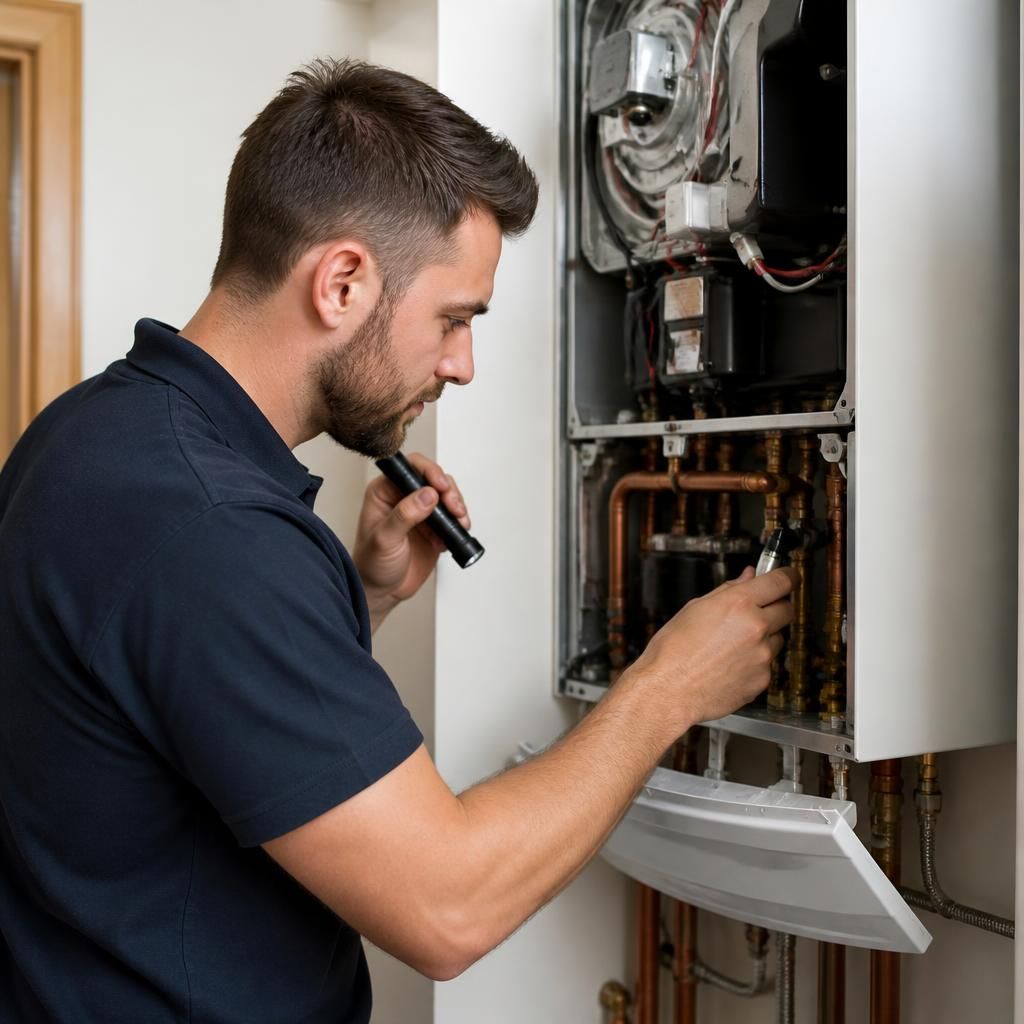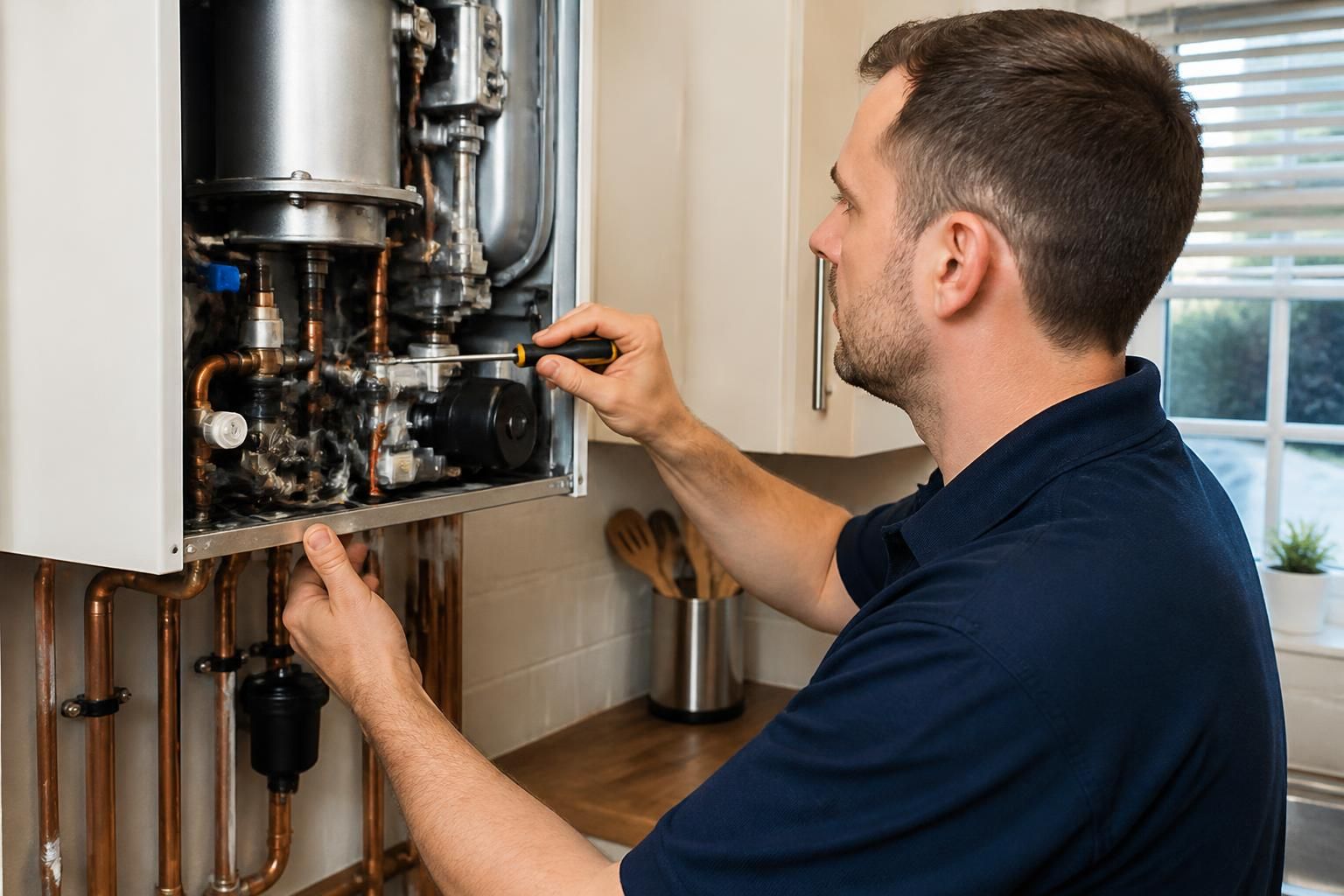
Household gas services cover the safe operation, upkeep and assessment of gas-powered appliances and the systems that support them. For domestic customers, this commonly includes boilers and central heating, gas fires, cookers and hobs, water heaters, flues, ventilation and associated controls. The precise work depends on the appliance, its condition and whether the property is occupied by a homeowner, tenant or landlord.
Boiler, heating and hot-water services may involve examining the boiler’s operation, heating controls, thermostat, condensate arrangements, radiators and hot-water performance. An engineer can help identify issues such as inconsistent temperatures, unusual noises, pressure problems, repeated shutdowns or heating that fails to respond to the controls. Where a system is beyond economical repair or unsuitable for the property, the engineer can explain the practical replacement options and any related work required.
Gas cooking and room-heating appliances include cookers, hobs, gas fires and similar fixed appliances. Work may involve assessing whether the appliance is suitable for the room, checking that combustion products can discharge correctly and examining the surrounding ventilation and flue arrangements. Gas fires require particular attention to the fireplace, chimney or flue route, as well as the condition of any protective components.
Flues, ventilation and combustion arrangements are essential parts of a safe gas installation. An engineer may inspect visible flue sections, terminals, air vents, appliance seals and the area around the appliance for signs of heat damage, staining or inadequate airflow. Testing can also help identify unsafe combustion or the escape of products such as carbon monoxide, which cannot be reliably detected by smell.
Landlord gas safety services are intended to help landlords meet their legal responsibilities for gas appliances, flues and pipework provided for tenants. A suitable inspection considers each relevant appliance and the installation serving it. The findings should be recorded in the appropriate gas safety documentation, with any remedial work explained clearly. Tenants should receive the required information from their landlord and should report faults, damage or concerns rather than attempting to interfere with the appliance.
During a domestic gas appointment, an engineer will normally need information about the symptoms, appliance type and any previous fault history. Depending on the issue, the assessment may include:
- Identifying the appliance, controls and gas supply arrangements.
- Checking accessible components for damage, deterioration or signs of unsafe operation.
- Testing relevant pressures, combustion performance and safety controls where appropriate.
- Examining ventilation and flue arrangements connected with the appliance.
- Explaining whether the appliance can remain in use, needs attention or should be isolated.
- Recording the work completed and any recommendations for follow-up action.
Gas engineers can also provide practical advice before building alterations or appliance changes. Moving a cooker, replacing a boiler, fitting a new gas fire or changing a kitchen layout can affect ventilation, flue routes, pipework and access for future maintenance. Considering these points before work begins helps avoid installing an appliance in an unsuitable location or creating difficulties with inspection and servicing later.
Homeowners, landlords and tenants should not dismantle gas appliances, alter gas pipework or try to resolve suspected leaks themselves. If there is a smell of gas, a damaged appliance or concern about combustion, avoid flames and electrical switches, ventilate the area if it is safe to do so, leave the property where necessary and contact the appropriate gas emergency service. A domestic gas engineer can then assess the installation and identify what professional work is required.
For households in Birmingham and the wider West Midlands, domestic gas engineers may therefore support heating, hot-water, cooking and room-heating needs, as well as the inspections and documentation associated with safe gas use.