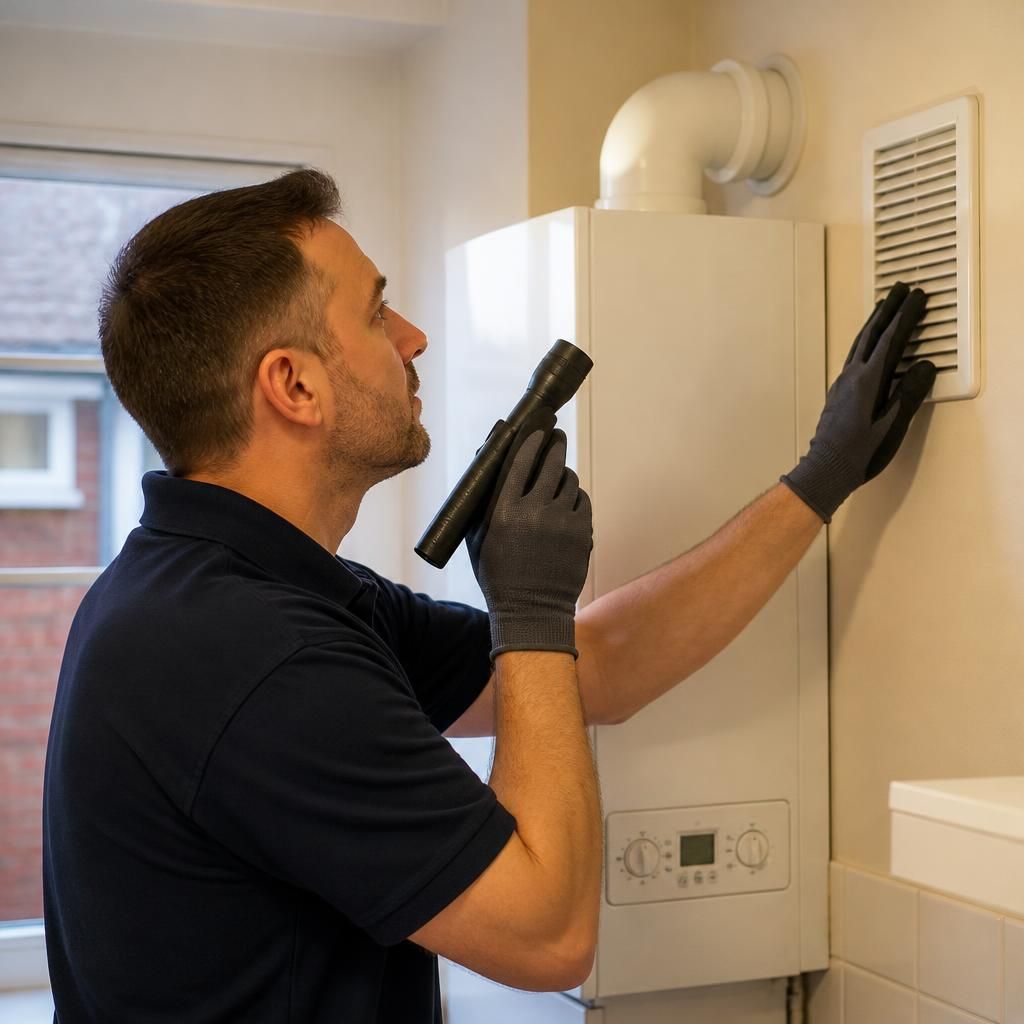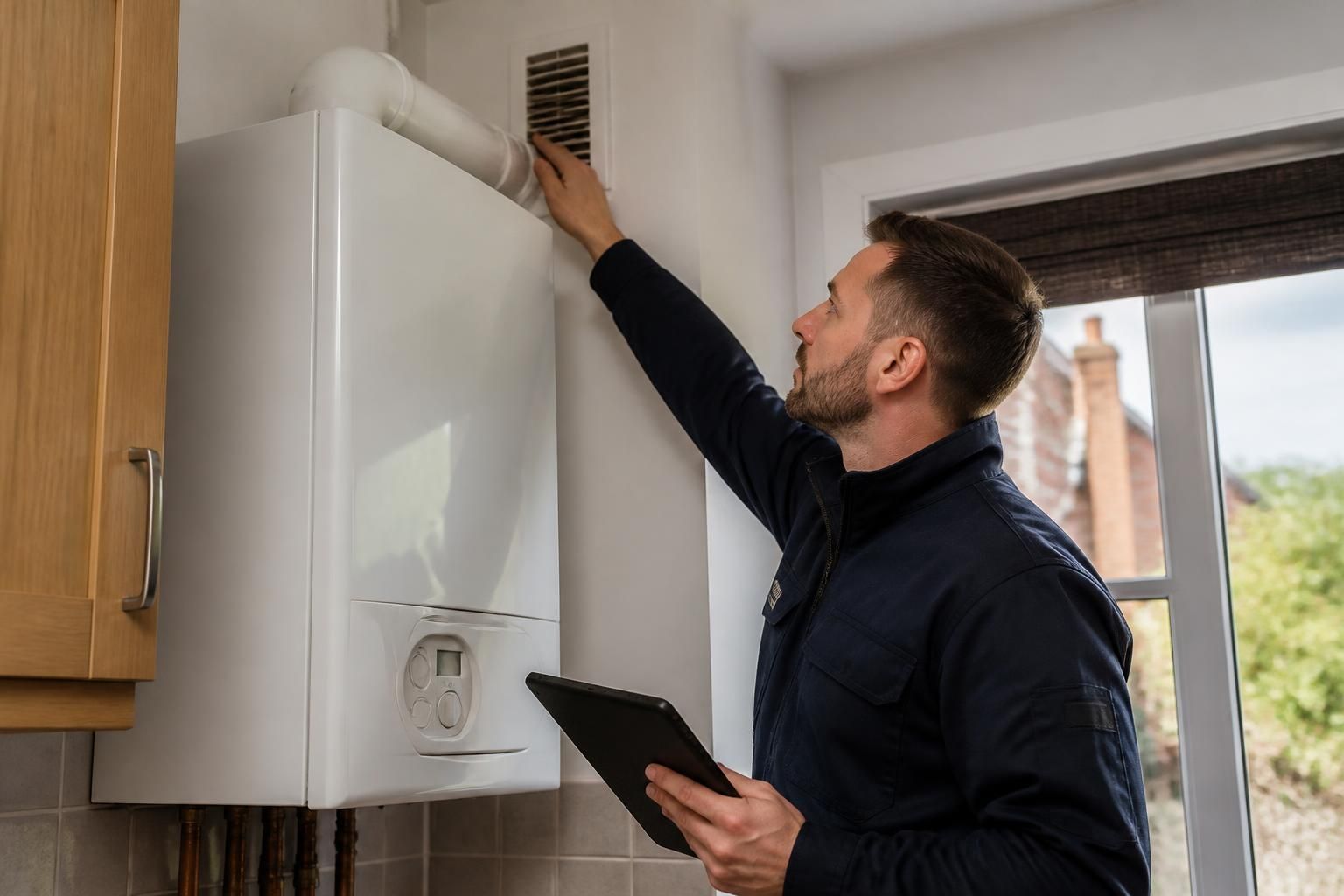
A domestic gas engineer should complete a documented safety and job assessment before carrying out any work. This includes confirming the requested task, checking that they are qualified for the work, reviewing available records, identifying hazards in the property and deciding which tests and controls are needed before the installation is disturbed.
They should confirm the job and obtain permission. Before beginning, the engineer should establish exactly what the customer has asked for, whether the work is a repair, service, replacement or alteration, and which parts of the system are included. They should confirm who has authorised the work, particularly where the property is rented, and check whether the customer has any relevant concerns, such as recurring faults, unusual noises or previous remedial recommendations.
Where the work may affect other services or parts of the property, the engineer should explain this before proceeding. The customer should understand the intended work, any limitations caused by the existing installation and whether further investigation could be necessary if an underlying fault is found.
They should verify competence and legal requirements. Gas work in the UK must be carried out by an engineer who is appropriately qualified and registered for the type of work involved. A customer can ask to see the engineer’s Gas Safe Register identity card and check that the relevant work categories cover the proposed task. This is particularly important where the work involves appliances, boilers, fires, cookers or other gas equipment.
The engineer should also establish whether the job requires particular documentation or approval. For example, work in a rented property may need records for the landlord, while replacement or alteration work may require updated servicing or commissioning information. Existing certificates, appliance instructions and previous repair notes can help the engineer understand the installation before making changes.
They should assess the working environment. The engineer should check that there is safe access to the work area and enough space to use tools, testing equipment and protective materials. They should consider trip hazards, combustible materials, water near electrical equipment, hot surfaces, poor lighting and any risk created by working in a confined or occupied area.
Occupants should be told which areas need to remain clear and whether anyone needs to move away from the work area. Children, pets and vulnerable occupants may require additional arrangements. If the task involves lifting, removing panels or accessing a difficult position, the engineer should assess whether the work can be completed without damaging surrounding finishes or creating an avoidable injury risk.
They should review the system’s history and condition. Previous service records, recurring fault codes, repair invoices and earlier inspection findings can reveal problems that are not obvious from a brief visual assessment. The engineer should compare the customer’s description with the available records and look for evidence of temporary repairs, unauthorised alterations or components that may no longer be suitable.
They should also consider the age, type and condition of relevant controls and connections, along with whether replacement parts and approved methods are available. If the proposed repair would not be appropriate for the condition of the installation, the engineer should explain the issue before starting rather than proceeding with work that may not provide a safe or durable result.
They should plan isolation and testing. Before dismantling anything, the engineer should decide how the relevant energy sources will be safely isolated and how they will confirm that isolation has been effective. This may include gas, electricity and water, depending on the equipment and the task. Controls should be labelled or secured where necessary so that they are not accidentally turned back on while work is under way.
The engineer should select suitable testing instruments and establish which readings are needed before and after the work. Tests may be used to confirm the condition of the installation, identify abnormal operation or verify that the completed repair has not introduced a further fault. Equipment should be suitable for the task and maintained in a condition that allows reliable readings.
They should decide whether it is safe to proceed. If the initial assessment identifies a serious danger, inadequate conditions or work outside the engineer’s competence, the engineer should not begin the task as planned. The installation may need to be made safe, isolated or referred for further investigation. The customer should be told what has been found, what action is necessary and whether the original work needs to be changed or postponed.
Before work starts, a suitable engineer should therefore have a clear scope, the right competence, an understanding of the property and its history, a safe working method and an appropriate testing plan. These checks help prevent avoidable damage, clarify responsibility and ensure that any gas work is approached in a controlled and legally compliant way.
Ideal Plumbing Services provides domestic gas and plumbing support for homeowners, landlords and tenants in Birmingham and the wider West Midlands. Customers can ask for the proposed work and any necessary safety checks to be explained before authorising a repair or installation.