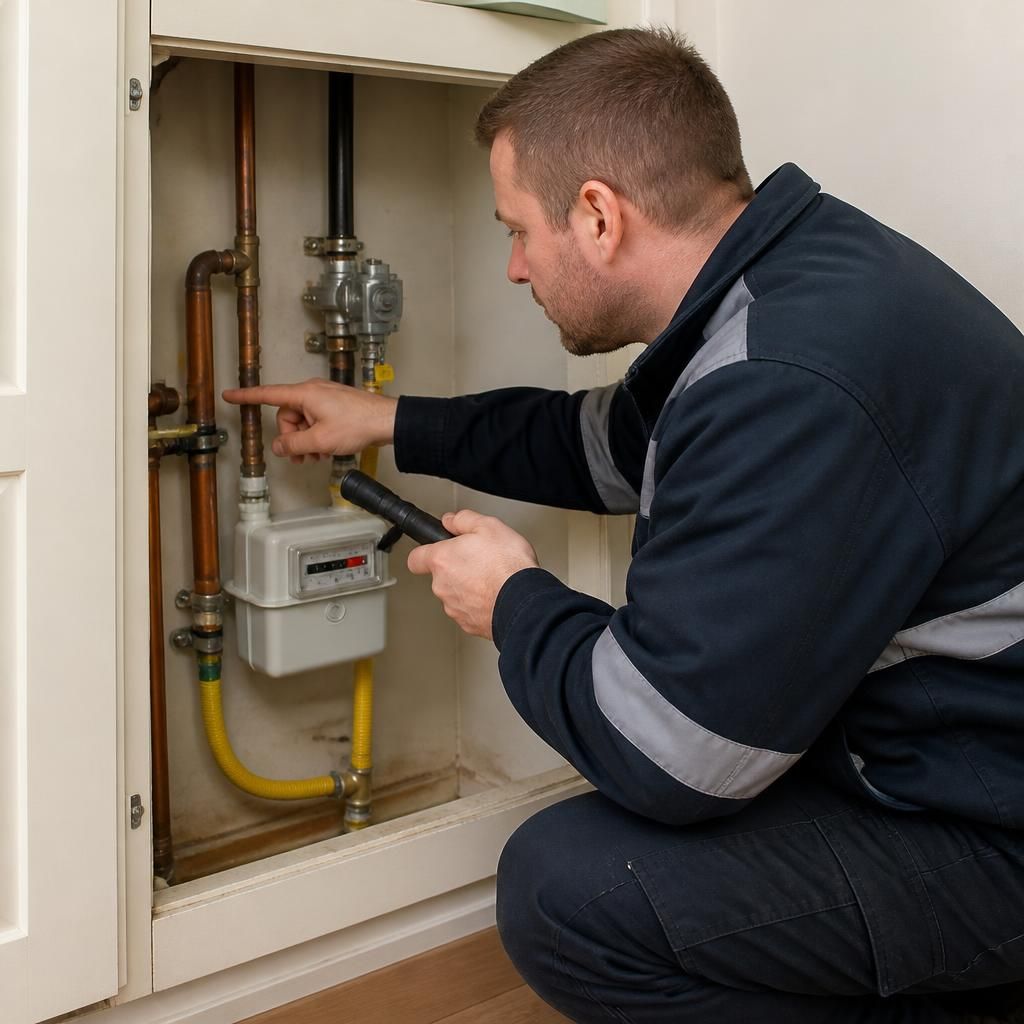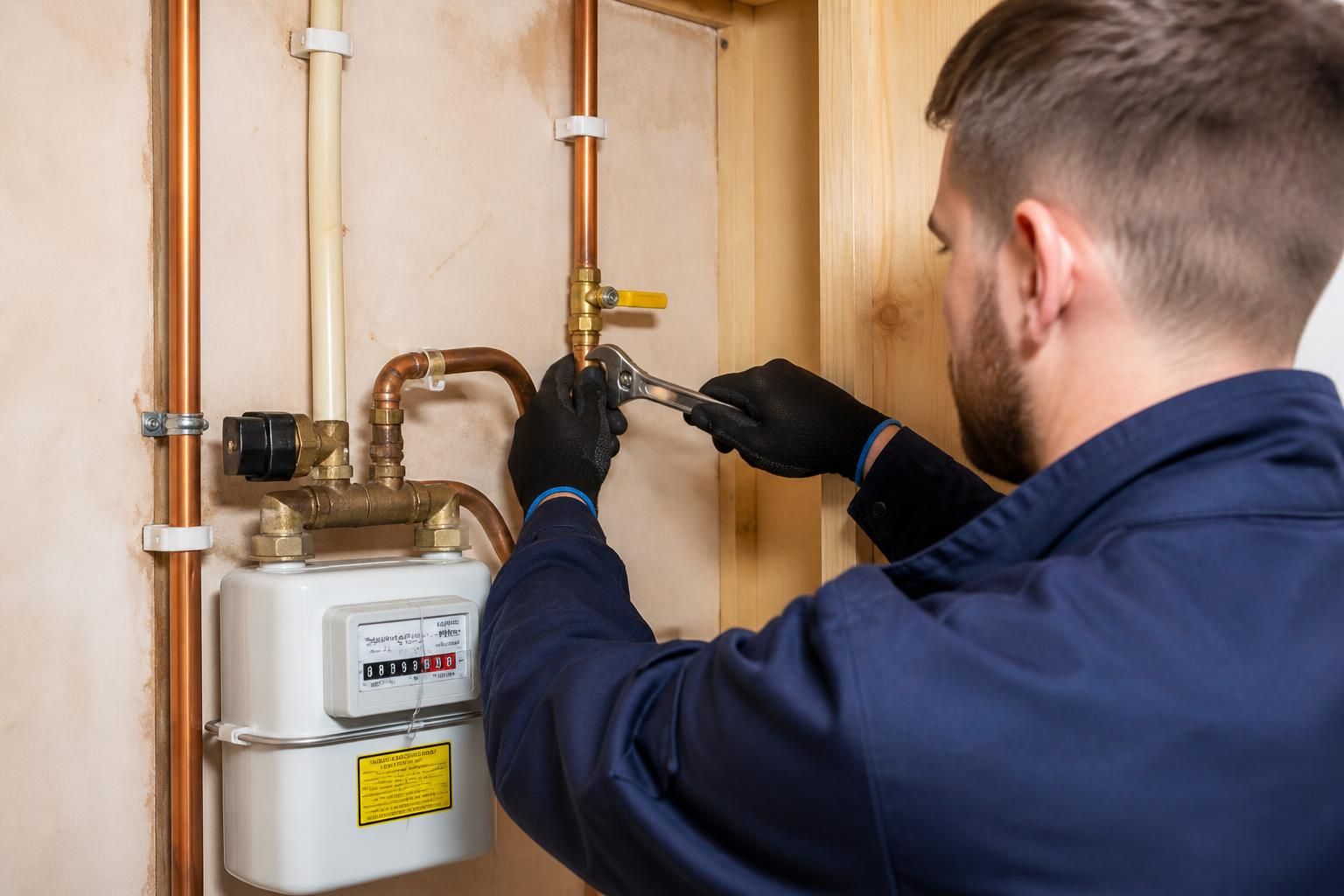
Gas line installation cost is determined by the work required to create a compliant gas supply, rather than by the pipe itself. Labour, pipework and fittings, the available gas supply, regulatory requirements, installation conditions and the amount of finishing work all contribute to the quotation.
Existing gas supply capacity
The current meter, regulator and incoming supply must be suitable for the appliances being served. Adding a higher-output appliance or several appliances may require checks on gas pressure and flow. If the existing supply is not adequate, the work may involve liaison with the network operator or changes to the meter and associated equipment. These requirements can add cost independently of the new internal pipework.
Pipe specification and fittings
The installer will select pipework and components that are suitable for the installation and compliant with current requirements. Costs can vary according to the pipe size, the number of joints, isolation valves, appliance connections, supports and protective components needed. A straightforward appliance connection uses fewer components than a system serving several gas appliances.
Labour and installation complexity
Labour includes planning the installation, isolating and testing the supply, fitting the pipework, connecting the appliance and completing the required checks. More time may be needed where the work involves several connection points, careful coordination with existing services or detailed preparation before the pipework can be installed. The quote should make clear whether all of these stages are included.
Compliance and certification
Gas work must be carried out by an appropriately qualified Gas Safe registered engineer. The installation needs to meet the relevant safety and building requirements, with testing and documentation completed as applicable. Where notification, certification or additional compliance checks are required, these should be identified in the quotation rather than appearing as an unexpected extra.
Appliance and connection requirements
Different appliances have different connection and ventilation requirements. A cooker, fire, boiler or other gas appliance may need specific valves, flue-related coordination or manufacturer-specified connections. The installer may also need to confirm that the appliance is suitable for the proposed supply and that its location meets safety requirements. These checks can affect the scope of work even where only one appliance is being connected.
Finishing and reinstatement
Gas engineers generally focus on the gas installation itself. Plastering, decorating, tiling, joinery, flooring or other decorative reinstatement may be outside the plumbing quotation unless specifically agreed. If pipework has to be boxed in or an opening needs making good, ask whether those tasks are included, assigned to another trade or left for the property owner to arrange.
Survey information and unforeseen work
A remote estimate may not identify the condition of existing valves, connections or surrounding services. During inspection, an engineer may find components that are unsuitable, inaccessible or unsafe to retain. Replacing defective parts or correcting earlier work can change the scope. A reliable quotation should distinguish the planned installation from possible additional work and explain how any variation will be authorised.
When comparing gas line installation quotes, check that each one covers the same items. Look for a description of the pipework and fittings, appliance connections, testing, certification, removal of waste and any finishing work. Confirm whether the price includes the appliance itself, alterations to the gas meter or regulator, and work by other trades. A lower initial figure may not represent better value if important parts of the installation have been excluded.
For a property in Birmingham or elsewhere in the West Midlands, an on-site assessment is the most dependable way to establish the specification. The engineer can verify the supply, identify compliance requirements and separate essential gas work from optional finishing work before a price is agreed. Ideal Plumbing Services provides professional guidance on gas installations alongside residential plumbing and heating services, helping homeowners, landlords and tenants understand what is included in the proposed work.