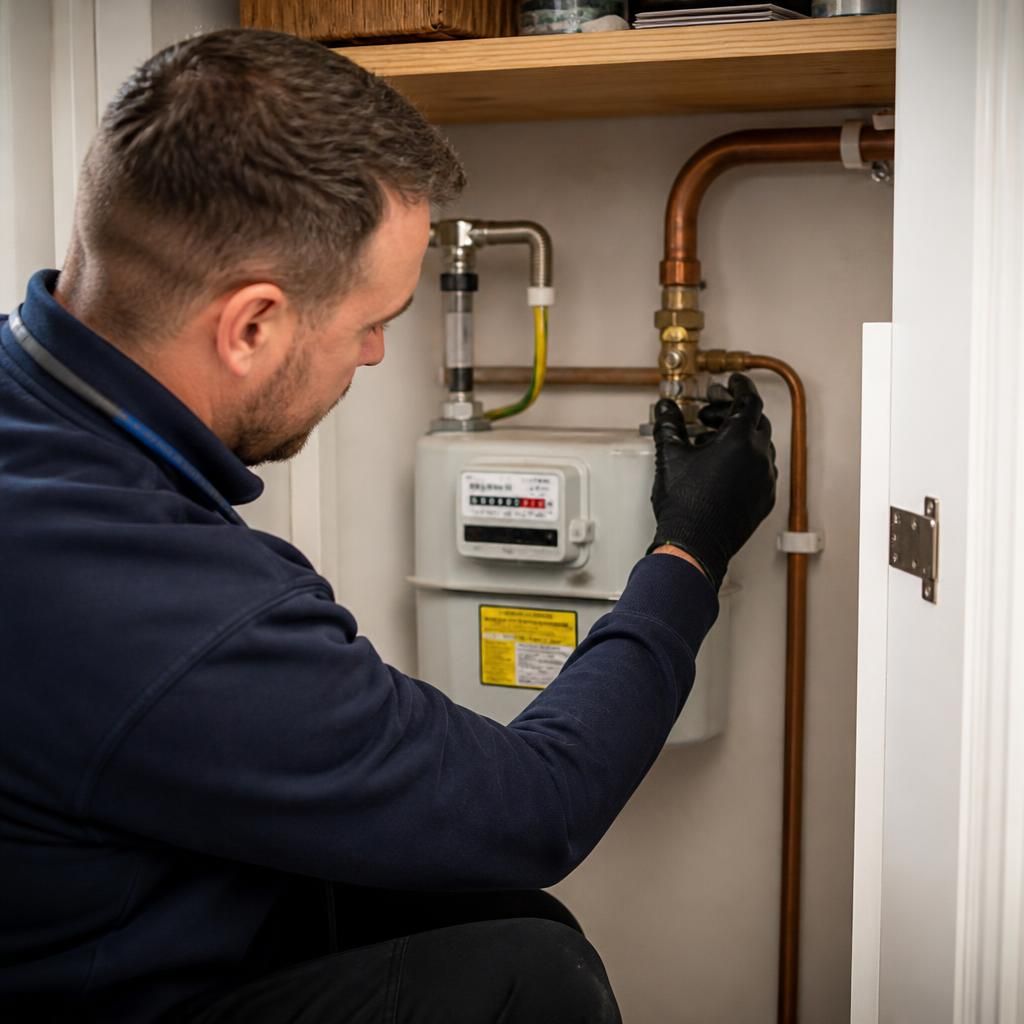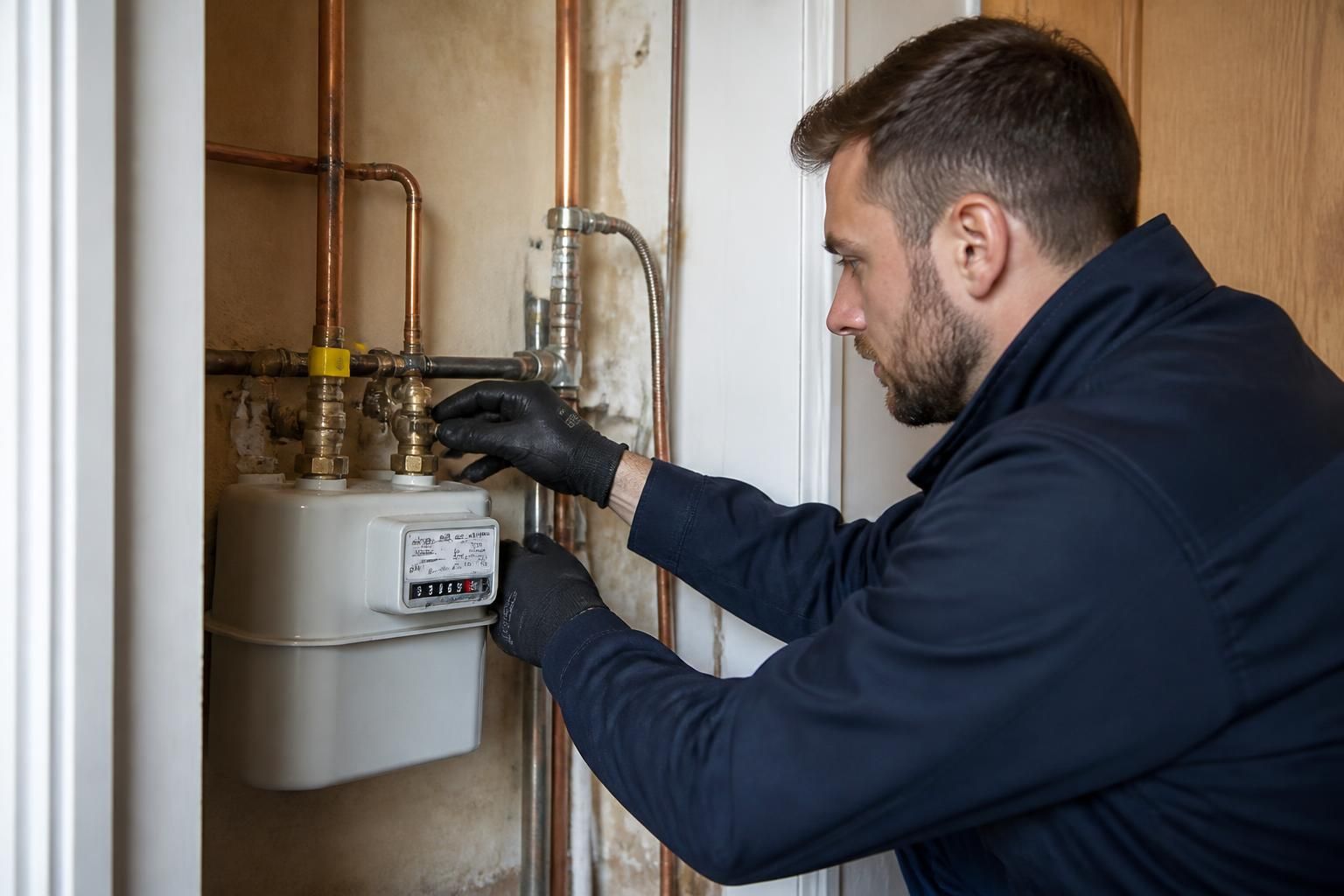
Prepare for a gas line installation by confirming the work scope, removing potential hazards and ensuring the installer can assess the gas supply and proposed connection safely. Do not alter, disconnect or repair any gas pipework or appliance yourself before the appointment.
Confirm what is being installed. Check which appliance or appliances the new line will serve, where the pipe is expected to run, and whether the work includes connections, testing or commissioning. Ask about any preparation that must be completed beforehand, such as arranging access to a cupboard, loft space, service void or external area. If the installation has changed since it was arranged, tell the installer before work starts.
Check permissions and property requirements. Homeowners may need to consider building control requirements, lease conditions or restrictions affecting alterations to shared or external areas. Landlords should confirm their responsibilities for gas safety records and provide any relevant property information. In a flat or rented home, obtain the landlord, managing agent or freeholder's permission where required rather than assuming approval is included in the installation service.
Keep useful information available. Have details of the appliance manufacturer and model, the type of fuel it uses, and any known history of faults or alterations ready for the installer. If you have drawings, certificates or quotations relating to the proposed work, keep them available without relying on them as a substitute for an on-site assessment. Tell the installer about any previous alterations, unusual pipework or problems with gas pressure that may affect the installation.
Make the work area safe. Keep children and pets away from the working area, and move flammable liquids, aerosols, paper, fabrics and other combustible materials away from locations where cutting, drilling or testing may take place. Protect fragile belongings from dust or vibration, and ensure the installer can work safely around floors, walls, cupboards and appliances. Do not light fires, use naked flames or carry out other work near the proposed gas route.
Do not interfere with controls or connections. The installer will check the existing pipework, meter arrangement, appliance connection and isolation points as part of the safety assessment. Do not remove appliance panels, reposition the meter, alter the emergency control valve or attempt to release trapped air from the system unless a suitably qualified professional has specifically instructed you to do so.
Know what to expect on the day. The installer should assess the route and materials, check ventilation and appliance requirements, and carry out appropriate tests before the new line is put into service. Gas work should be completed and checked by an engineer registered for the relevant gas work. Ask which tests will be performed, whether appliances need to be available for inspection, and what certification or records you will receive when the work is complete.
If you smell gas before the appointment, treat it as a separate safety issue. Do not wait for a scheduled installation visit. Avoid flames, cigarettes and electrical switches, including doorbells; if it is safe to do so, ventilate the property by opening doors and windows, leave the building and contact the appropriate gas emergency service. Do not re-enter until it has been declared safe. If anyone feels unwell or there is an immediate danger, contact the emergency services.
These steps help the installer identify site-specific risks before work begins and reduce the chance that missing information, unsafe conditions or permission issues will delay the gas line installation.