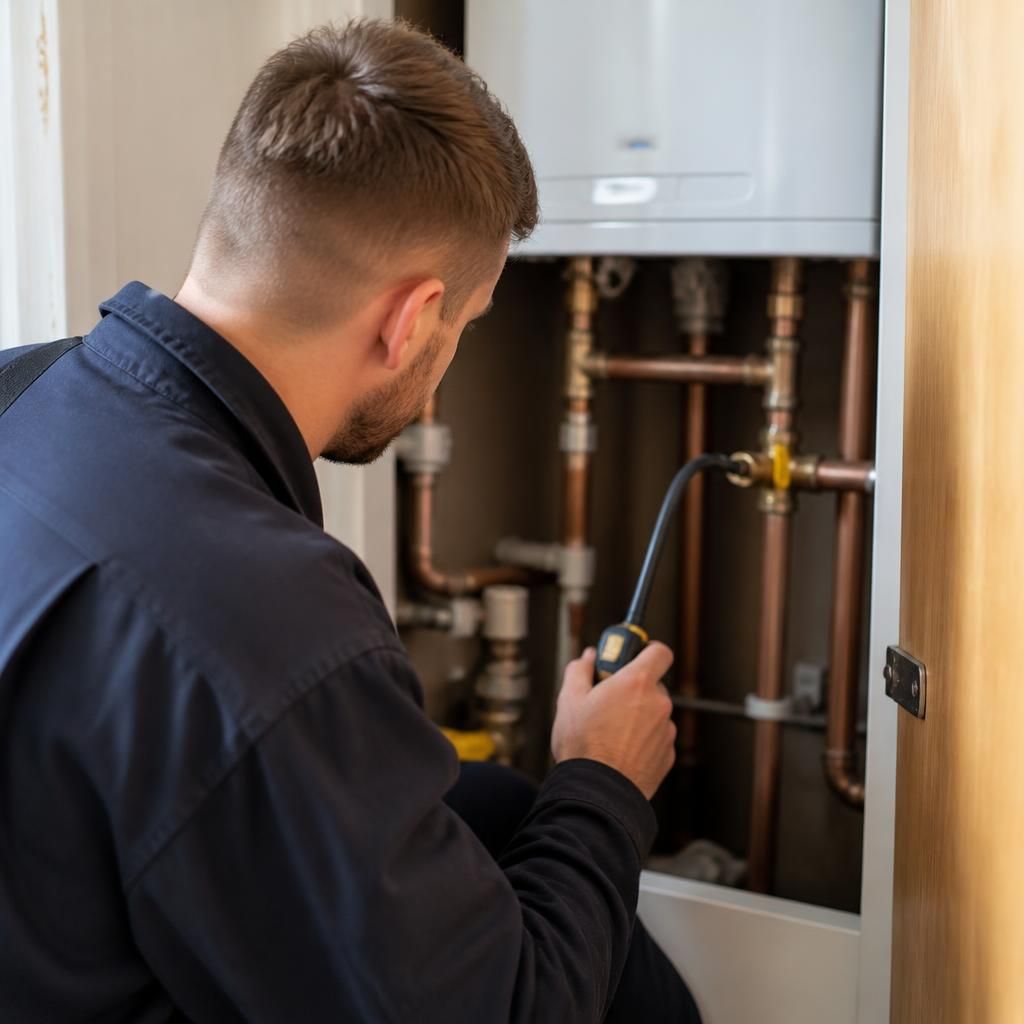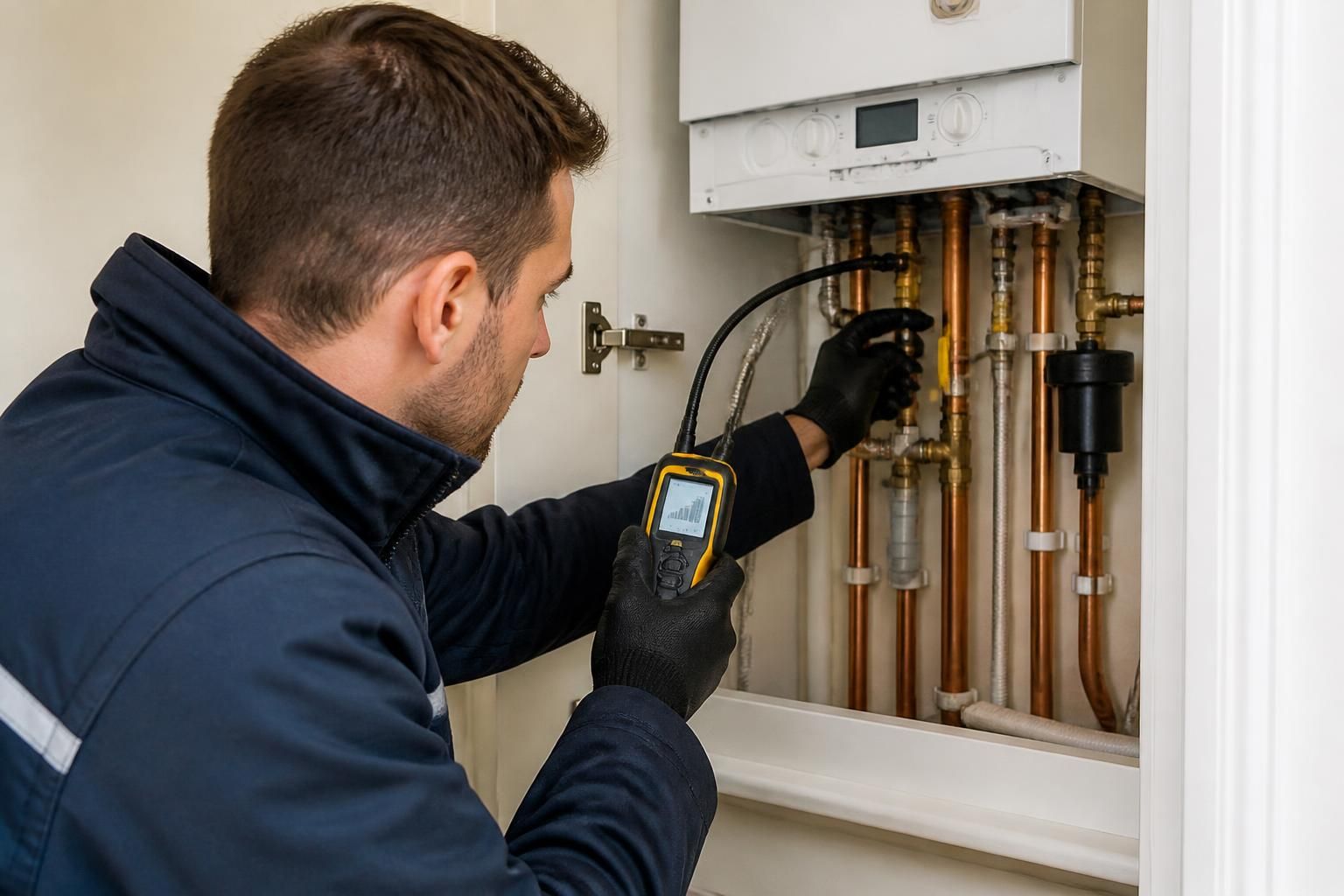
Access during gas leak detection is managed by confirming who is authorised to grant entry, planning a safe route to the relevant parts of the installation and controlling movement while testing takes place. The engineer should explain what needs to be accessed, obtain the occupant’s agreement and work methodically so that testing is complete without entering unrelated areas.
Before testing begins, the engineer will normally establish who is responsible for the property. In an owner-occupied home, this will usually be the homeowner or an appointed adult. In rented accommodation, the tenant, landlord or managing agent may need to coordinate access, particularly where the gas meter, boiler, appliances or pipework are in separate rooms. If the property is vacant, access arrangements and keys should be confirmed in advance, with instructions provided for securing the building afterwards.
Access is often managed in stages rather than by opening every room at once. The engineer may first inspect the meter position and visible pipework, then move to appliances, isolation points and other relevant sections of the installation. This allows the testing area to remain controlled and helps identify which doors, cupboards, panels or service spaces actually need to be opened.
- Entry points: Clear access to the front door, meter cupboard, boiler, cooker, fire or other gas appliance may be required.
- Restricted areas: Locked cupboards, communal meter rooms, lofts, cellars and outbuildings may require a key holder or responsible person to provide entry.
- Household safety: Occupants should follow the engineer’s instructions about remaining outside the testing area, especially where an appliance is being examined or access equipment is in use.
- Privacy: The engineer should limit entry to areas relevant to the investigation and avoid moving personal belongings unless this is necessary to reach the installation.
Where pipework is behind a removable access panel, inside a cupboard or beneath a floor section, the engineer should explain why that point may be relevant before access is arranged. Testing may be limited if a panel cannot be removed safely, a room is inaccessible or a structural feature prevents inspection. In those circumstances, the limitation should be recorded and the engineer can explain whether another access arrangement or further investigation is appropriate.
For homes with children, pets or several occupants, the responsible adult should help keep the route clear and prevent anyone from entering the controlled area. The engineer may also need space for testing equipment and enough room to examine connections safely. This is different from restricting the whole property: access controls should relate to the work being carried out and the risks identified.
After the inspection, any opened cupboard, panel or access point should be left in a safe condition. The occupant should be told which areas were checked, whether any parts could not be reached and whether further action is recommended. If access cannot be provided to an important part of the gas installation, the result may not represent a complete assessment, so arranging suitable access is an important part of obtaining a reliable detection service.