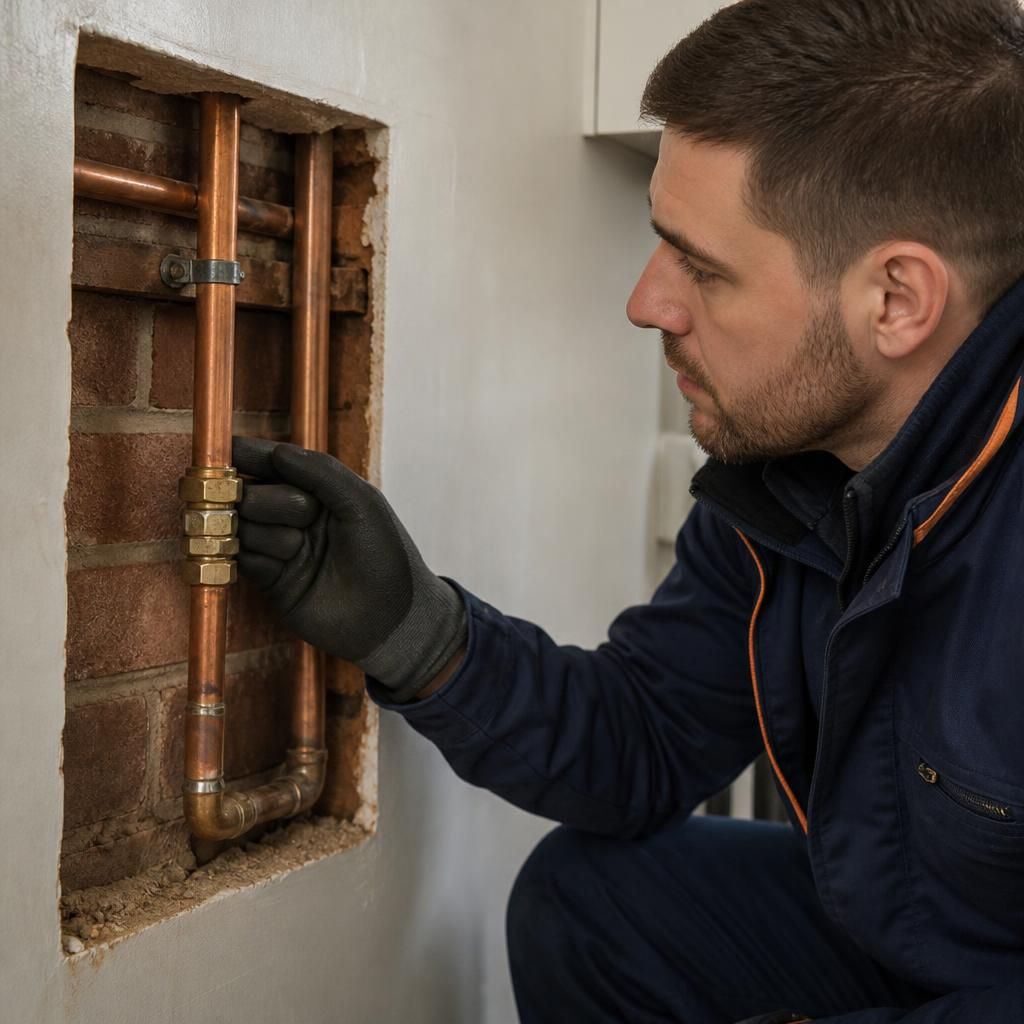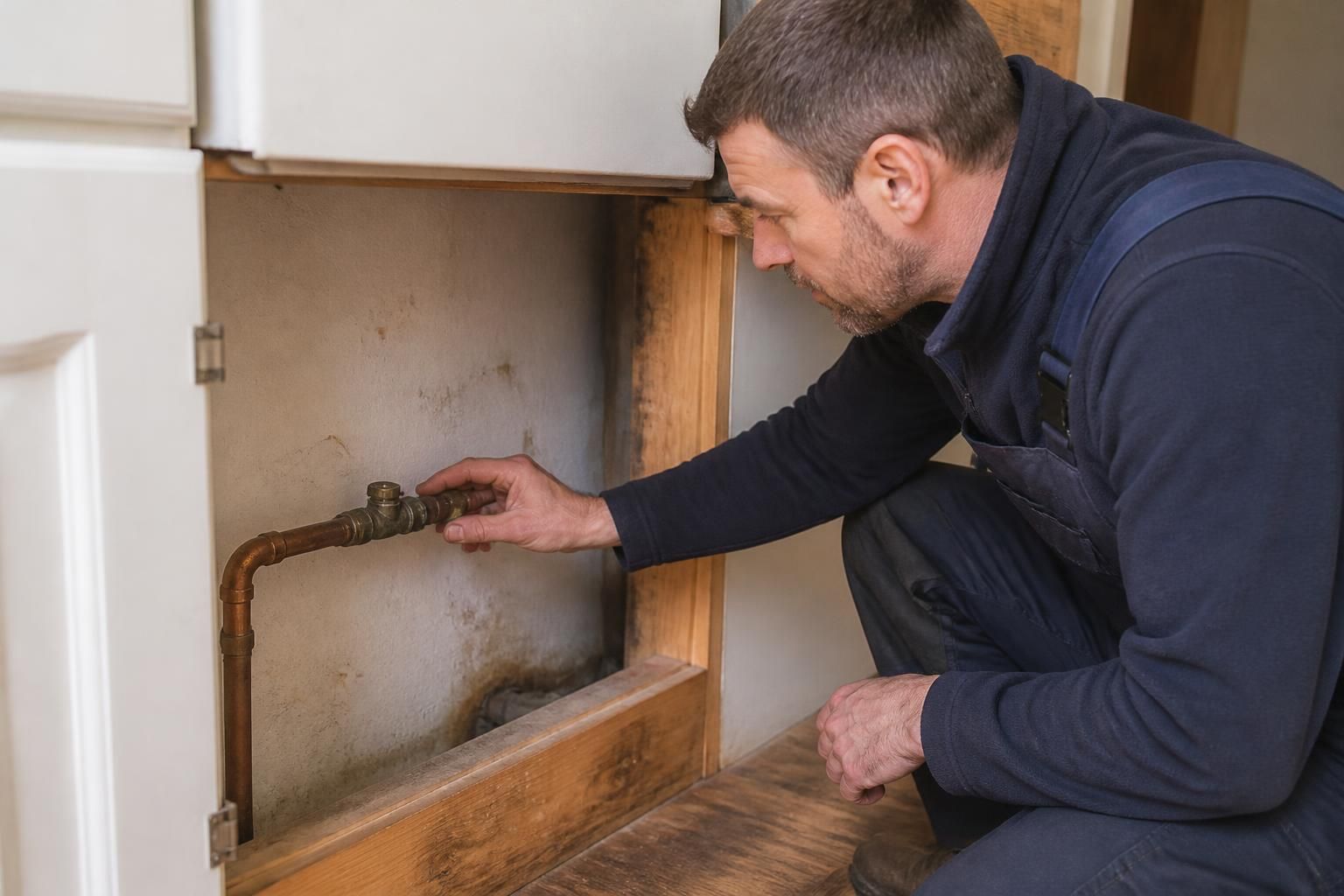
Once a gas leak has been located, the priority is to control the immediate risk, establish what work is needed and ensure the property is safe to use. The next steps depend on the position of the leak, the condition of the surrounding installation and whether the affected section can be repaired or needs replacing.
Keep the area safe first. If there is still a smell of gas, avoid naked flames, smoking and anything that could create a spark. Do not operate electrical switches or use equipment in the affected area. Move people and pets away from the risk, ventilate the property only where this can be done safely, and contact the relevant gas emergency service if there is an immediate danger. Do not attempt to repair or reconnect gas pipework yourself.
The engineer explains the findings. After locating the leak, the engineer should identify which part of the installation is affected and explain whether the problem relates to a joint, fitting, exposed pipe or concealed section. They can also describe any contributing issues, such as corrosion, impact damage, unsuitable alterations or deterioration around the pipework. This information helps the property owner understand why a particular remedy is being recommended.
Repair or replacement options are agreed. A minor defect may be suitable for a targeted repair, while badly damaged, inaccessible or outdated pipework may require a new section or a wider installation. Where access is restricted, the engineer should explain what may need to be removed, opened or reinstated. For landlords, this is also an opportunity to clarify responsibilities, arrange access and keep a record of the work for the property file.
Before remedial work starts, ask for a clear description of the proposed work and its cost. A professional quotation should identify the affected area, the main tasks involved and any exclusions, such as making good decorative finishes after access has been created. Clear written information helps homeowners, tenants and landlords compare the proposed solution with the condition observed on site and avoid misunderstandings about additional work.
Further checks confirm that the installation can be used safely. The engineer should examine the completed work in accordance with applicable gas-safety requirements and check that connections, supports, ventilation and access are appropriate. If an appliance or other gas component was involved, its condition may need separate consideration rather than assuming that repairing the pipework resolves every issue.
Keep the engineer’s documentation, photographs where provided, invoices and any recommendations for future maintenance. Landlords may need to retain relevant gas-safety records, while homeowners can use the information when planning alterations or arranging later inspections. If the leak resulted from damaged or disturbed pipework, avoid covering the area or carrying out building work until the engineer has confirmed that the installation is suitable for those changes.
For residential properties in Birmingham and the wider West Midlands, Ideal Plumbing Services can advise on the practical repair or replacement work that follows professional gas leak detection, including access requirements and the condition of connected pipework.