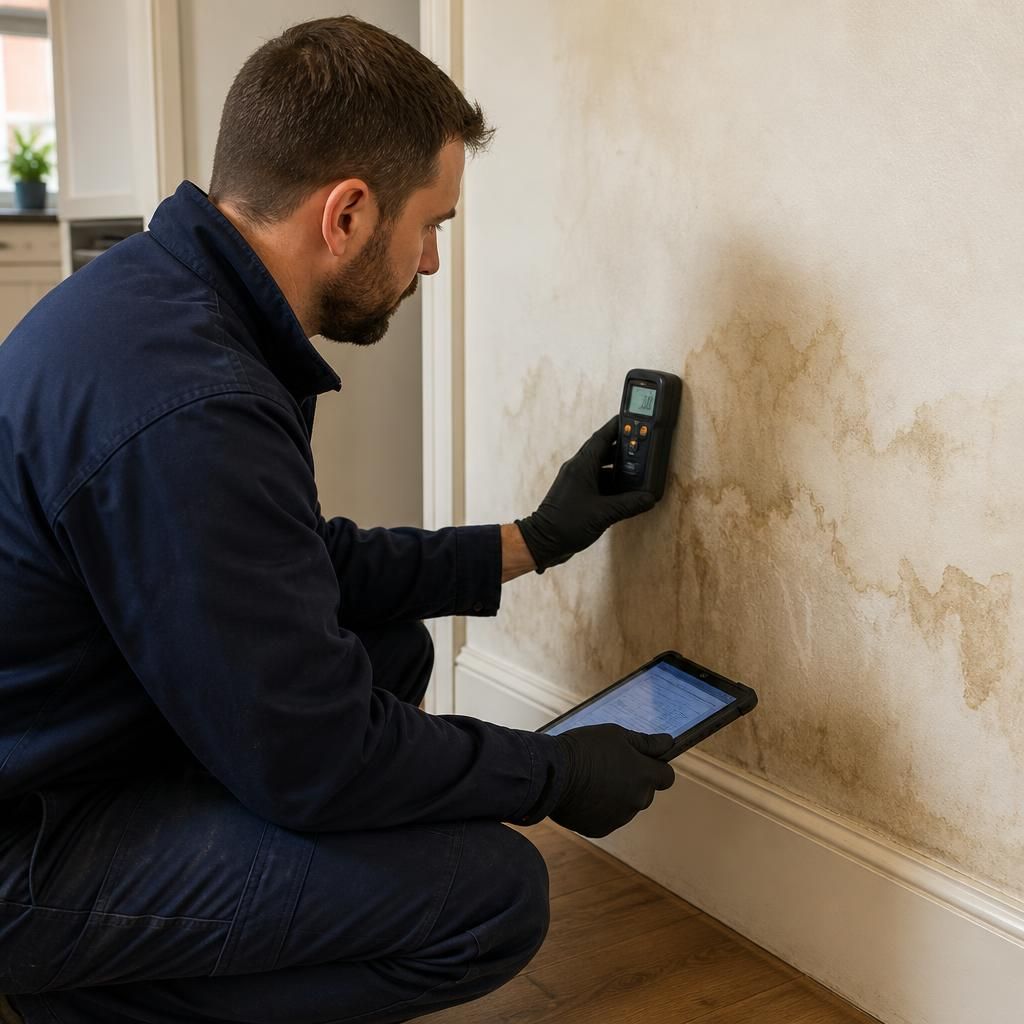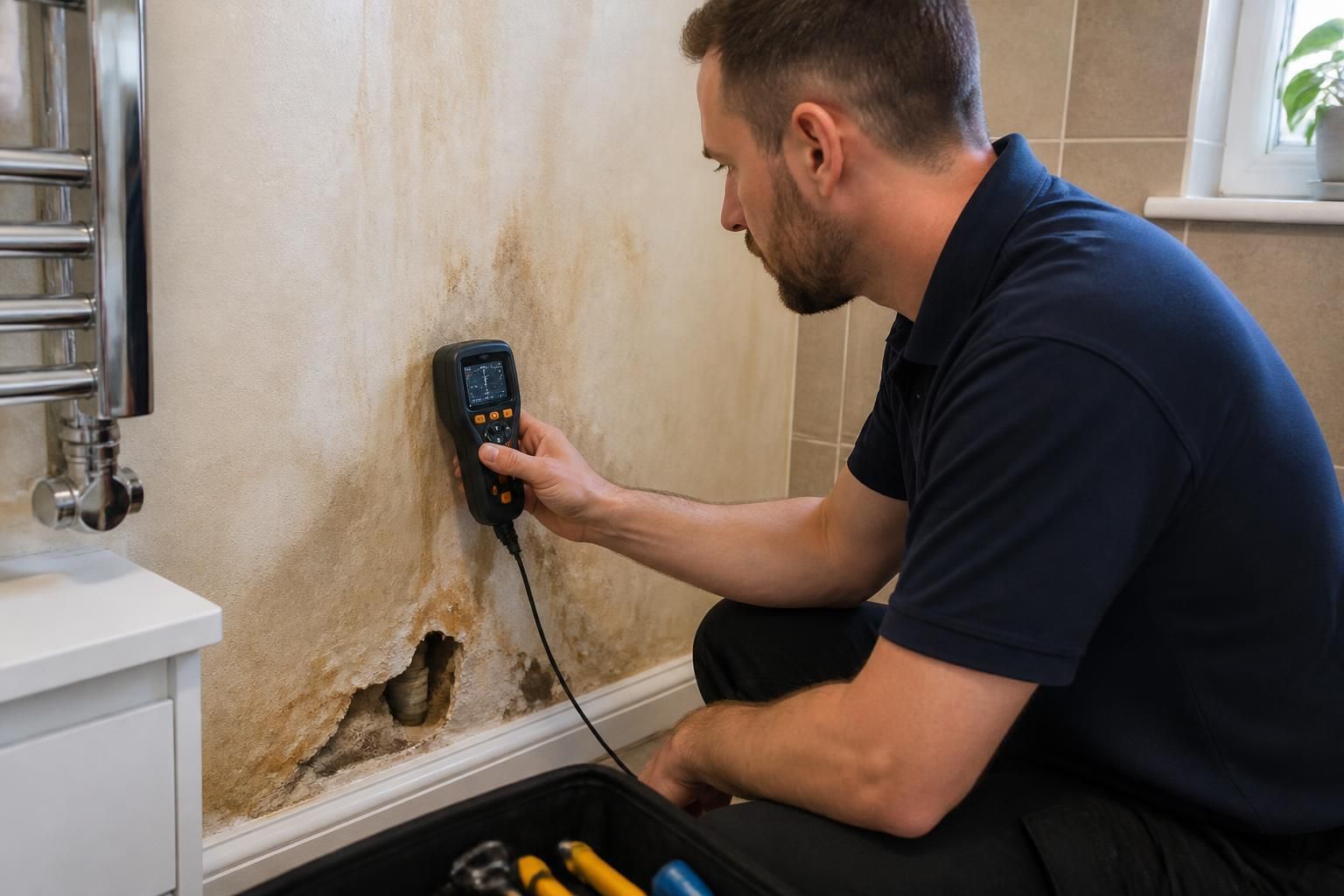
A leak detection report can support an insurance claim, but it does not guarantee that the claim will be accepted. The insurer will assess the policy wording, the source of the escape of water, the damage caused and whether the incident meets the policy’s definition of an insured event. A clear report gives the claims handler technical evidence to consider alongside photographs, invoices, estimates and any other documents requested.
What an insurer may look for
- The date and address of the inspection.
- The areas and plumbing systems examined.
- The methods used to investigate the suspected leak.
- Relevant readings, test results or other recorded observations.
- Photographs or diagrams showing the affected areas.
- The probable source and cause of the escape of water, where this can be established.
- The extent of visible damage and any recommended next steps.
The report should distinguish between confirmed findings and professional opinion. For example, testing may identify a loss of pressure or moisture in a particular area without proving precisely when the leak began. This distinction helps the insurer understand the strength and limitations of the evidence.
Why the report matters
Water damage can have several possible causes, including a failed pipe, leaking connection, defective fitting or damage to a plumbing appliance. A written inspection record provides an independent technical account rather than relying only on a description of what happened. It may also help separate damage caused by the leak from pre-existing damp, condensation or an unrelated defect.
Where the leak is concealed beneath flooring, behind walls or within another inaccessible area, non-invasive detection findings can help indicate where further investigation or opening-up may be justified. The insurer may still arrange its own survey or ask for additional evidence before authorising works.
What to do before repairs begin
- Check the policy or contact the insurer to find out whether it requires notification before investigation or repair.
- Take dated photographs and, where practical, short videos of the leak, staining, damaged belongings and affected rooms.
- Keep damaged items unless they present a health or safety risk or the insurer instructs you to dispose of them.
- Ask for a written report and retain all estimates, invoices, test results and correspondence.
- Record any steps taken to limit further damage, such as isolating the water supply or moving belongings away from the affected area.
Do not carry out extensive remedial work before receiving the insurer’s instructions unless action is necessary to prevent further damage or make the property safe. If urgent work is unavoidable, retain photographs of the original condition and ask the plumber to record what was found before removal or opening-up.
What the report may not establish
A leak detection report may identify the plumbing fault without determining whether the policy covers the resulting damage. Cover can depend on exclusions, maintenance conditions, gradual damage provisions, excesses and whether the insurer considers the incident sudden or ongoing. It may also distinguish between the cost of repairing the failed component and the cost of repairing floors, walls, ceilings or contents affected by the escape of water.
The report may therefore support the factual part of a claim while the insurer makes the final decision. If the claim is questioned, ask which policy term or evidence requirement is relevant and provide any further documentation requested. A second opinion from an appropriately qualified professional may be useful where the cause or extent of damage remains disputed.
Ideal Plumbing Services can investigate suspected leaks for homeowners, landlords and tenants in Birmingham and the wider West Midlands, with written findings that can be retained for the insurer and other parties involved in the repair process.