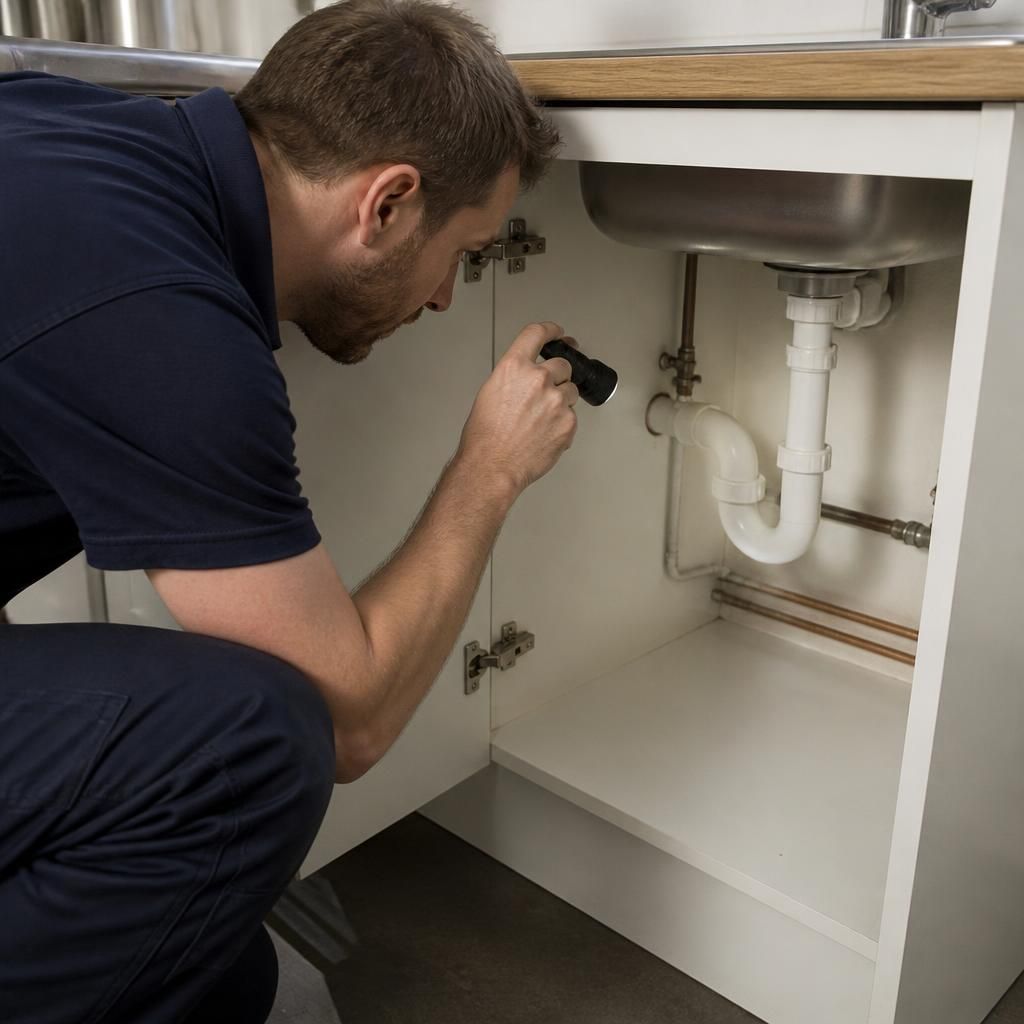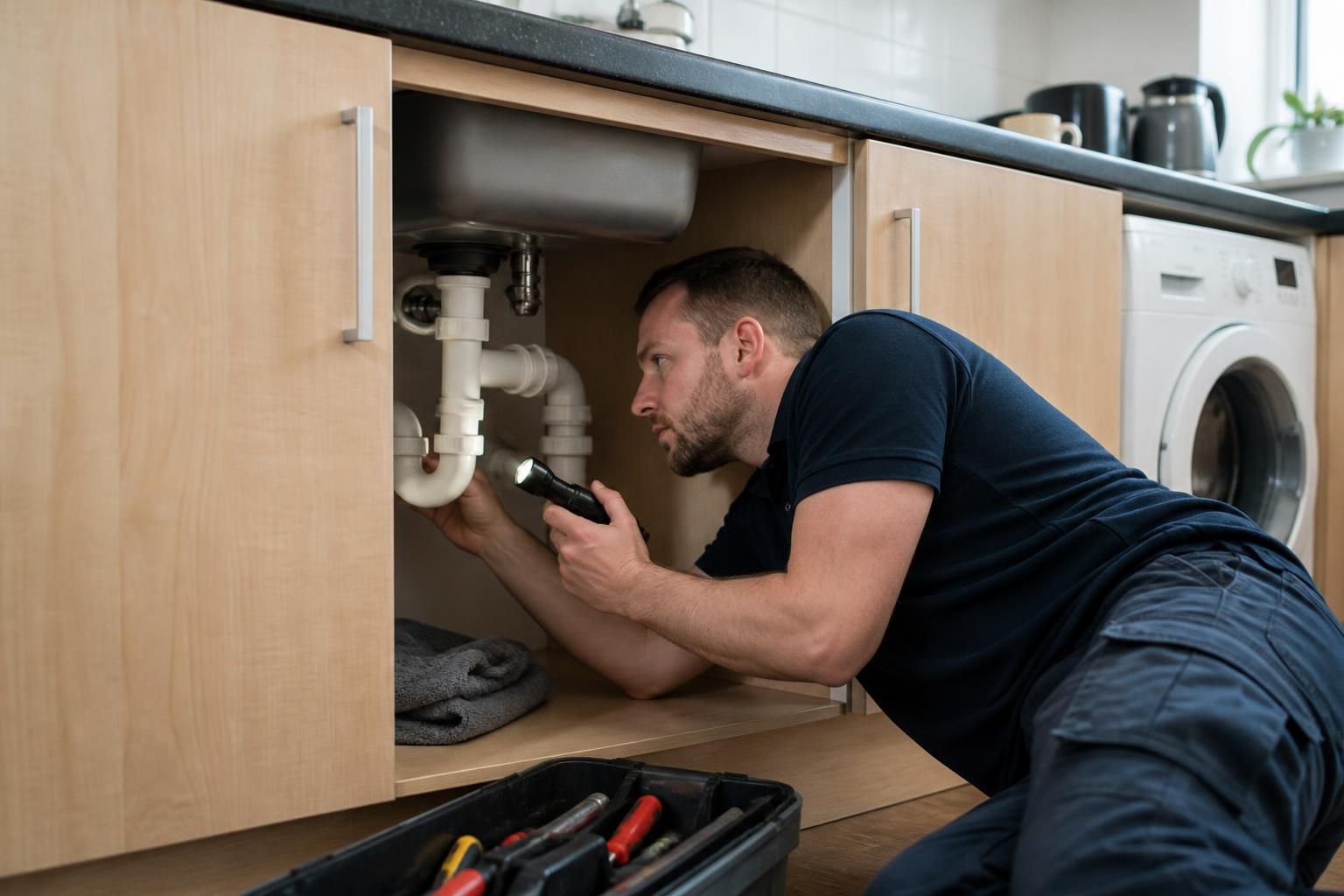
In a rented property, the repair process depends on the type of fault, the tenancy agreement and whether the tenant, landlord or managing agent is responsible for the underlying cause. Emergency work can normally be carried out while the property is occupied, but the person arranging it should establish who has authority to approve the work and who will meet the cost before non-essential repairs begin.
What the tenant should do first:
- Report the fault to the landlord or managing agent using the agreed emergency contact method.
- Describe what has happened, which fixtures or rooms are affected and whether water is still escaping.
- Take clear photographs or video before any clean-up, where it is safe to do so.
- Protect belongings by moving them away from the affected area, without putting anyone at risk.
- Turn off the internal stop tap or isolate the affected appliance only if it can be done safely and the location is known.
A tenant should not attempt a complex repair, remove fitted pipework or instruct extensive replacement work without agreement. If water is close to electrical sockets, appliances or consumer units, avoid contact with the area and obtain appropriate professional help.
Who is usually responsible? Landlords are generally responsible for maintaining the property’s fixed plumbing installations, such as supply pipes, waste pipes, toilets, baths, showers and tanks, subject to the tenancy terms and the facts of the incident. They will usually arrange the contractor and deal with the invoice.
A tenant may be responsible where the damage resulted from carelessness, misuse or failure to take reasonable steps after discovering a problem. Examples could include damaging a fixture, allowing a preventable blockage to develop or failing to report an ongoing leak. Responsibility is fact-specific, so the contractor’s findings, photographs and any relevant tenancy wording may be important.
Some items are normally the tenant’s responsibility, including personal possessions and damage to belongings. Contents insurance may help with those losses, while the landlord’s buildings or property insurance may apply to structural damage. Insurance does not automatically decide who caused the plumbing fault, and the policyholder should check the terms before assuming that a claim will be accepted.
What the landlord or agent should confirm:
- Whether the fault is being treated as an emergency and what immediate safety measures are needed.
- Which rooms or fixtures the plumber needs to inspect.
- Whether a temporary isolation, repair or replacement has been authorised.
- Who will approve additional work if the initial inspection reveals a wider defect.
- How access will be provided and whether a representative needs to attend.
For a straightforward leak, the plumber may be able to isolate the supply, replace a failed connector, repair a valve or make another local repair. If the source is concealed behind a wall, floor or kitchen unit, leak detection may be needed before opening up the property. A competent contractor should explain the proposed method, distinguish temporary measures from permanent repairs and identify any work that falls outside the original instruction.
Access to the property should be arranged with regard to the tenant’s right to occupy it. The tenant should be told what work is planned and which areas may be affected. A landlord or contractor should not assume that every room can be entered without notice, except where urgent circumstances create an immediate risk that requires prompt action. Practical arrangements are particularly important where children, vulnerable occupants or pets are present.
Emergency repairs do not necessarily require the tenant to leave the property. However, occupants may need to remain clear of wet areas, exposed pipework, tools or equipment. If the water supply, heating system or bathroom facilities must be isolated, the likely duration and temporary arrangements should be explained before work starts.
Keep a written record of the report, instructions received, photographs, invoices and completed work. If the tenant pays for an agreed call-out or repair, they should obtain written confirmation of reimbursement rather than deducting the amount from rent without agreement. If the landlord refuses to address a serious defect, the tenant can seek guidance from the local council’s housing department or an appropriate housing advice service.
For rented homes in Birmingham and across the West Midlands, Ideal Plumbing Services can assess plumbing faults, carry out suitable repairs and provide information that helps the tenant, landlord or agent understand the condition of the installation. The person requesting the work should make the tenancy arrangement clear at the outset so that permissions, access and payment responsibility are properly recorded.