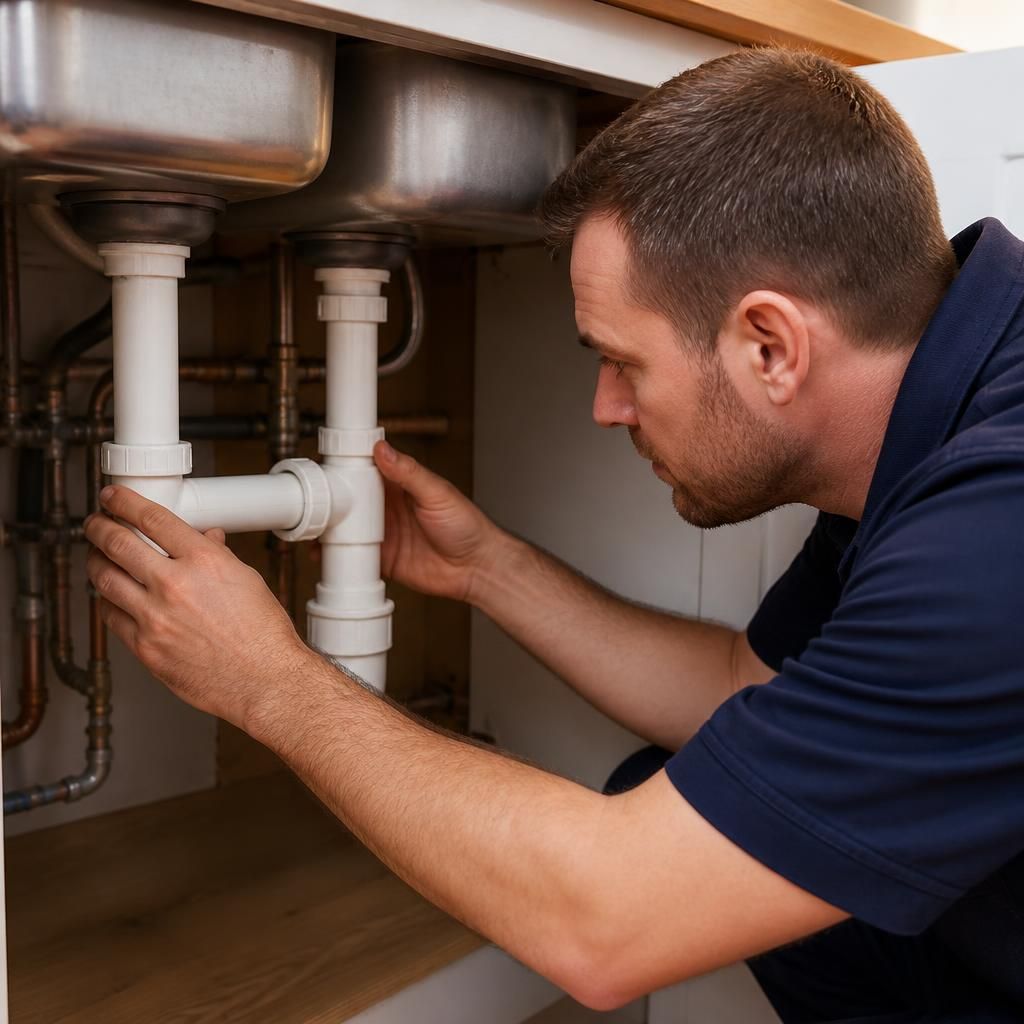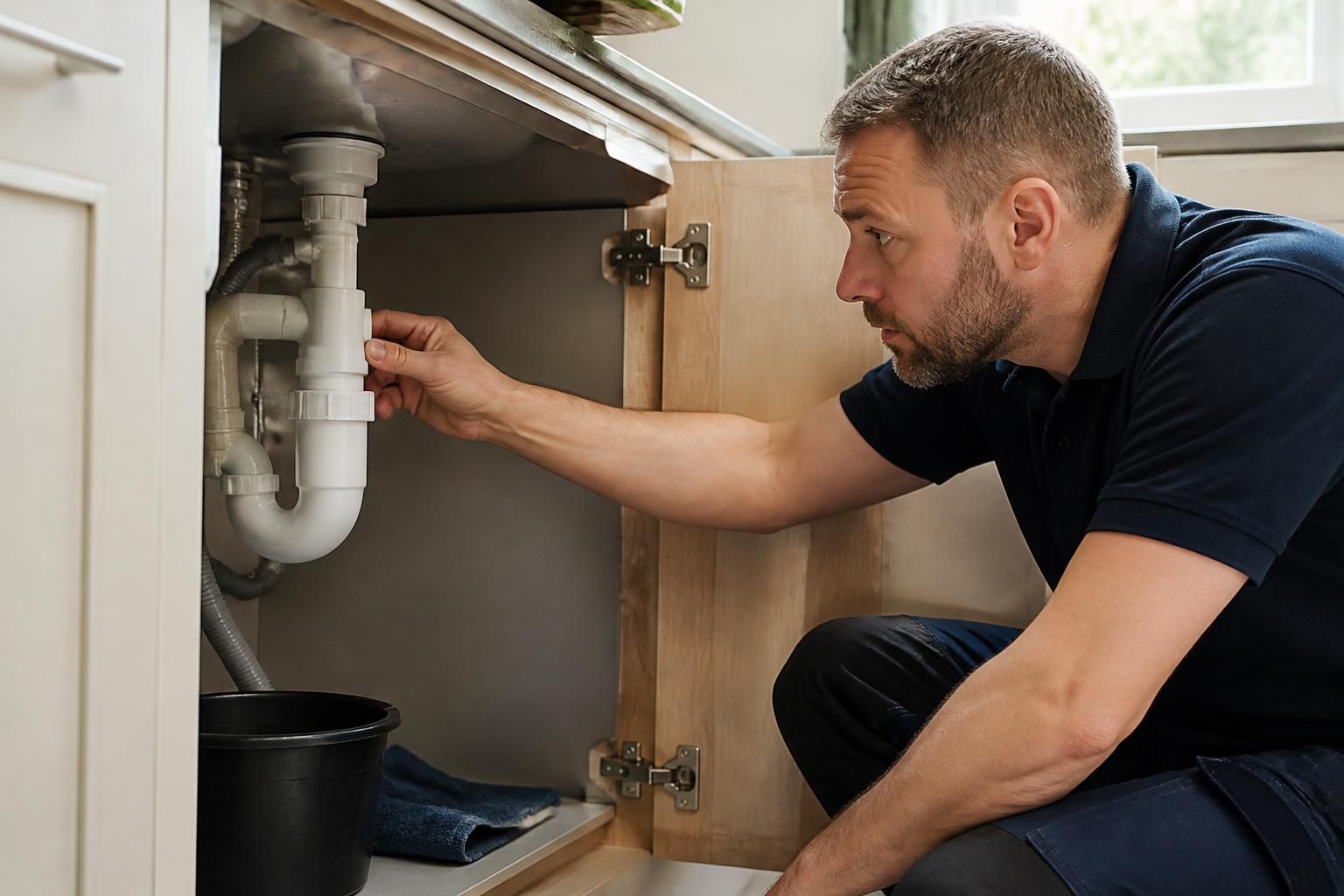
Once the source of a leak has been located, the next stage is to confirm exactly what has failed and choose a permanent repair rather than treating only the visible water. The appropriate work depends on whether the problem involves a pipe, joint, valve, appliance connection, waste fitting, or another part of the plumbing system.
The plumber will usually assess the condition of the surrounding components as well as the identified fault. A damaged joint may need resealing or replacing, while a corroded or split section of pipe may require that section to be renewed. Where a valve, connector or appliance hose is responsible, replacing the defective component is often more reliable than attempting to tighten or patch it. The repair should address the cause of the leak, not just the point where water has appeared.
The available repair options can depend on several practical factors:
- Type of pipework: different materials and installation methods require different fittings and repair techniques.
- Condition of the system: older or heavily corroded pipework may make a small local repair less suitable than replacing a wider section.
- Location of the fault: pipework beneath floors, inside walls or behind fixed units may require carefully planned access.
- Water damage: saturated plaster, flooring, insulation or cabinetry may need separate drying, cleaning or reinstatement work.
- Risk of recurrence: movement, corrosion, excessive pressure or a failing connection can affect whether a straightforward repair is appropriate.
Before work begins, the proposed repair should be explained clearly, including what needs to be replaced, whether additional access is required and whether any associated damage falls outside the plumbing repair itself. This distinction matters because repairing the pipe stops the source, but it does not necessarily dry building materials or restore decorative surfaces. A landlord or tenant may also need a clear record of the fault and work completed for maintenance or insurance purposes.
After the repair, the affected plumbing should be checked under normal operating conditions. This may include running relevant taps, flushing connected fixtures, operating an appliance or checking the heating circuit, depending on where the leak originated. The area around the repair should then be inspected for moisture, and any unusual pressure changes, staining or dampness should be reported rather than covered up. Water can travel along joists, pipework and wall cavities, so the place where staining appears is not always the place where the original fault occurred.
If the leak has caused significant water ingress, further steps may be needed even after the plumbing has been repaired. These can include ventilation and drying, removal of damaged materials, treatment of persistent damp and checks for mould. Electrical equipment or sockets affected by water should not be used until they have been assessed by a suitably qualified professional.
Ideal Plumbing Services can explain the cause identified, the repair carried out and any recommended follow-up work in clear terms. With more than 20 years’ experience in residential plumbing, the focus is on a suitable repair, transparent charges and leaving the customer with a practical understanding of what happens next.