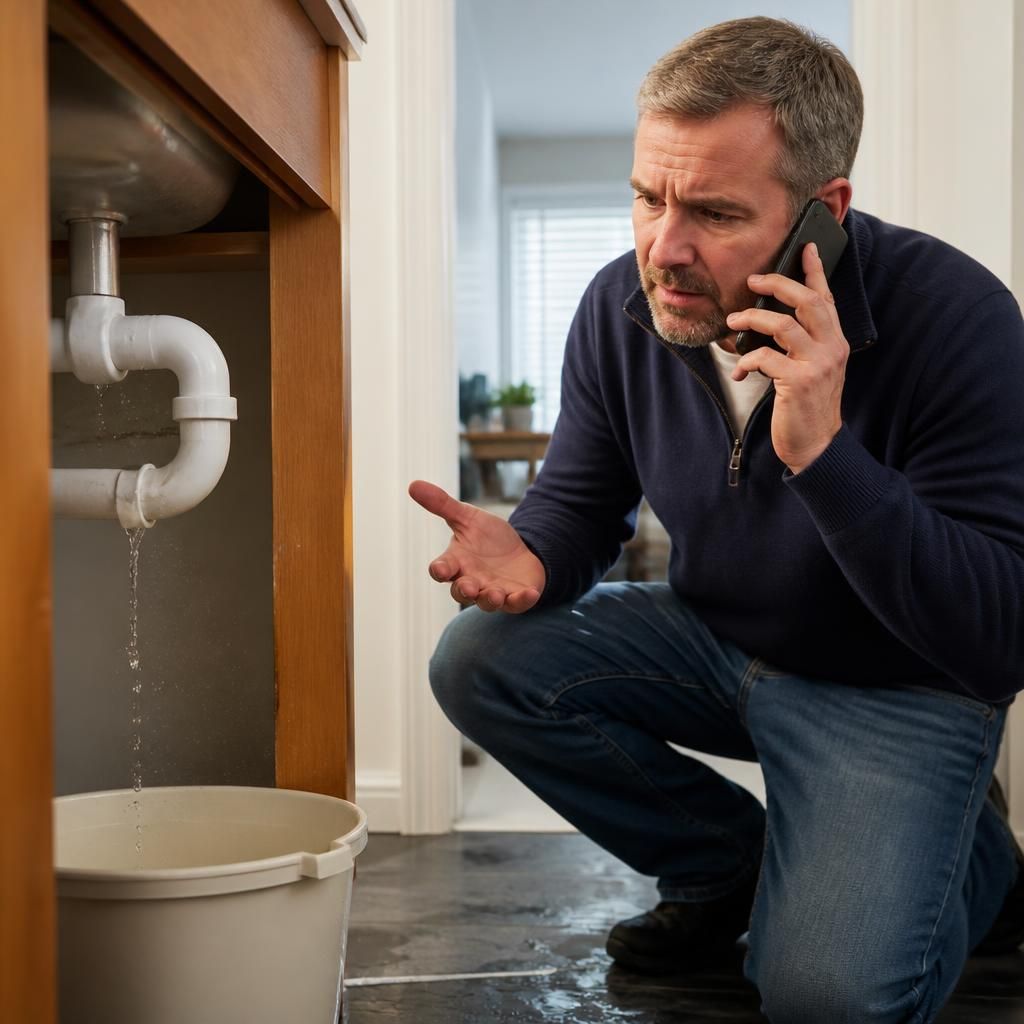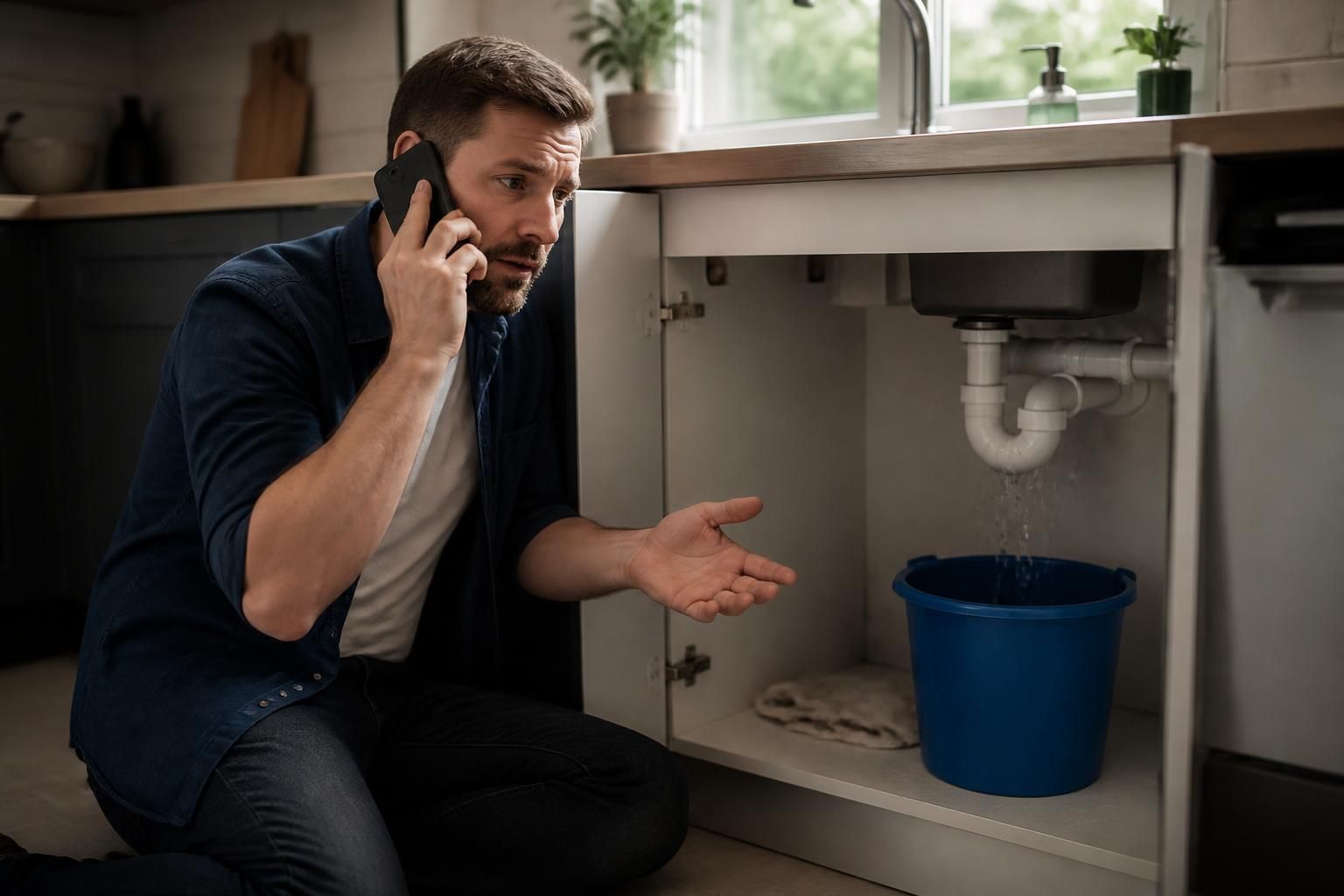
When booking emergency plumbing services, provide enough information for the plumber to understand the property, identify the affected plumbing system and prepare for any safety or access requirements. Alongside the address and description of the fault, the following details can help the booking be assessed accurately.
- Property type: State whether the premises is a house, flat, maisonette, bungalow or commercial property. For flats and rented accommodation, include the floor, flat number and any relevant building information.
- Exact location of the fault: Identify the room and fixture involved, such as the kitchen sink, bathroom toilet, central-heating pipework, loft tank or external drain. If several areas are affected, list each one.
- People at the property: Explain whether anyone is particularly vulnerable, has mobility difficulties or needs assistance with access. This helps the plumber understand any welfare or safety considerations before attending.
- Potential hazards: Report exposed electrical fittings, standing water near electrical equipment, hot water, sewage, contaminated water, slippery flooring, structural damage or restricted areas. Do not attempt to handle a suspected electrical danger; make this clear when arranging the service.
- Heating and hot-water details: If the problem involves a boiler, cylinder, radiator or heating pipe, provide the appliance type and any fault code shown on its display. Avoid removing covers or attempting repairs yourself.
- Drainage symptoms: For a blocked or overflowing drain, mention whether the issue affects one fixture or several, whether wastewater is backing up, and whether toilets, sinks or external gullies are involved. This helps distinguish a local blockage from a wider drainage problem.
- Photographs or video: If it can be done safely, photographs may show the affected fitting, staining, pooling water, damaged materials or a displayed fault code. Do not enter unsafe areas or touch equipment merely to obtain an image.
- Property ownership and permission: Tell the plumber whether you are the homeowner, tenant, landlord or an authorised representative. Tenants may need to follow a landlord or managing agent's procedure, while landlords should provide any access or approval instructions.
- Previous work: Mention recent plumbing, heating, building or drainage work in the affected area, including any temporary repair or replacement fitting. This background can be relevant when assessing the cause of the fault.
- Practical arrangements: Give useful information about entry arrangements, parking restrictions, concierge systems, gates, keys, pets and any areas that must remain undisturbed. If another person will meet the plumber, provide their name and contact details.
- Documentation: If the issue may involve a landlord, managing agent or insurer, have the relevant policy, tenancy or property-management details available. Do not delay dealing with an active hazard while searching for paperwork.
It is also useful to explain what outcome you need from the visit, such as stopping an active leak, restoring a particular fixture or identifying the source of unexplained damage. If the cause is uncertain, say so rather than trying to diagnose it yourself. Accurate information allows the plumber to bring more suitable equipment and plan the inspection appropriately.
Before the appointment, keep the affected area as accessible as possible without putting yourself at risk. Move valuable items away from the suspected source where safe, protect furniture from further water damage and keep children and pets clear of the area. Do not conceal damage, dismantle fittings or carry out invasive work simply to prepare for the visit.
For a booking with Ideal Plumbing Services, providing these details gives the team a clearer picture of the incident and the property conditions. The information can then be recorded alongside the contact and fault details already supplied, helping the plumber approach the emergency in a controlled and informed way.