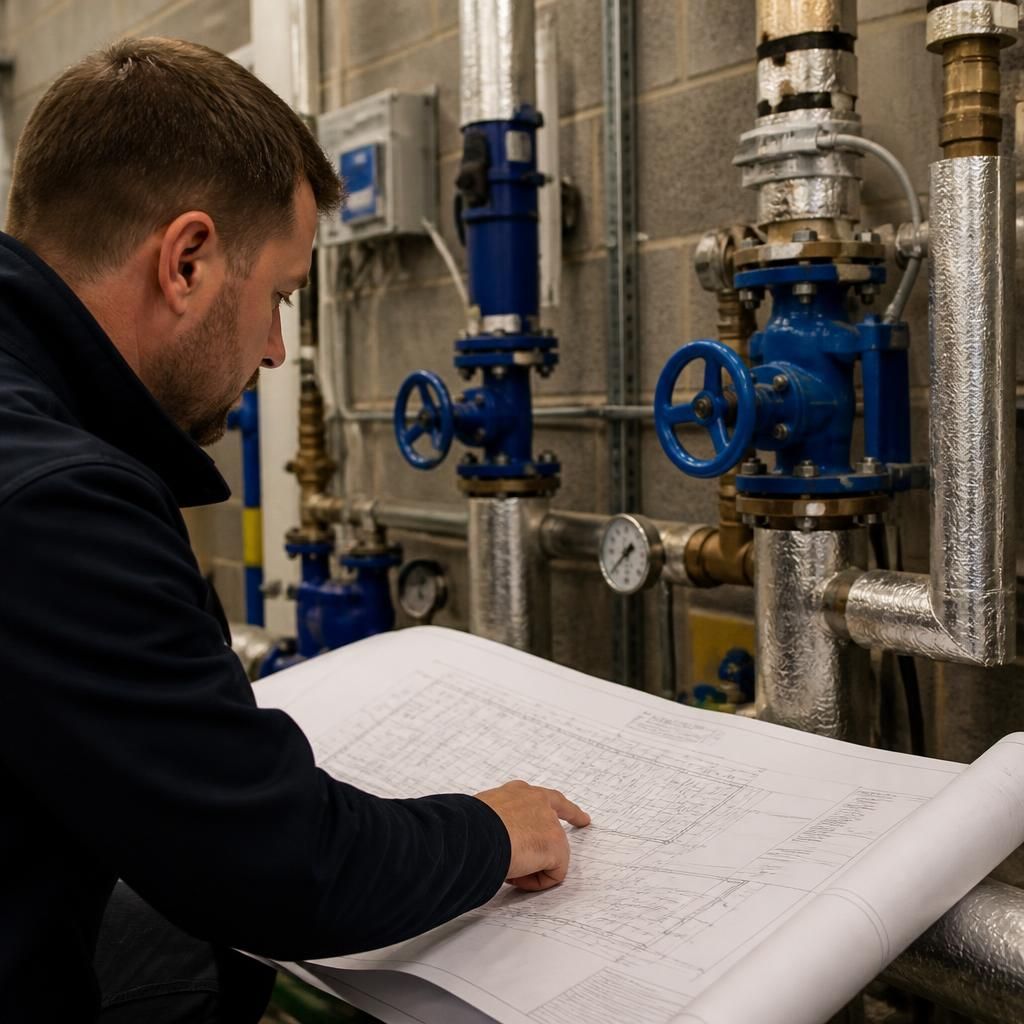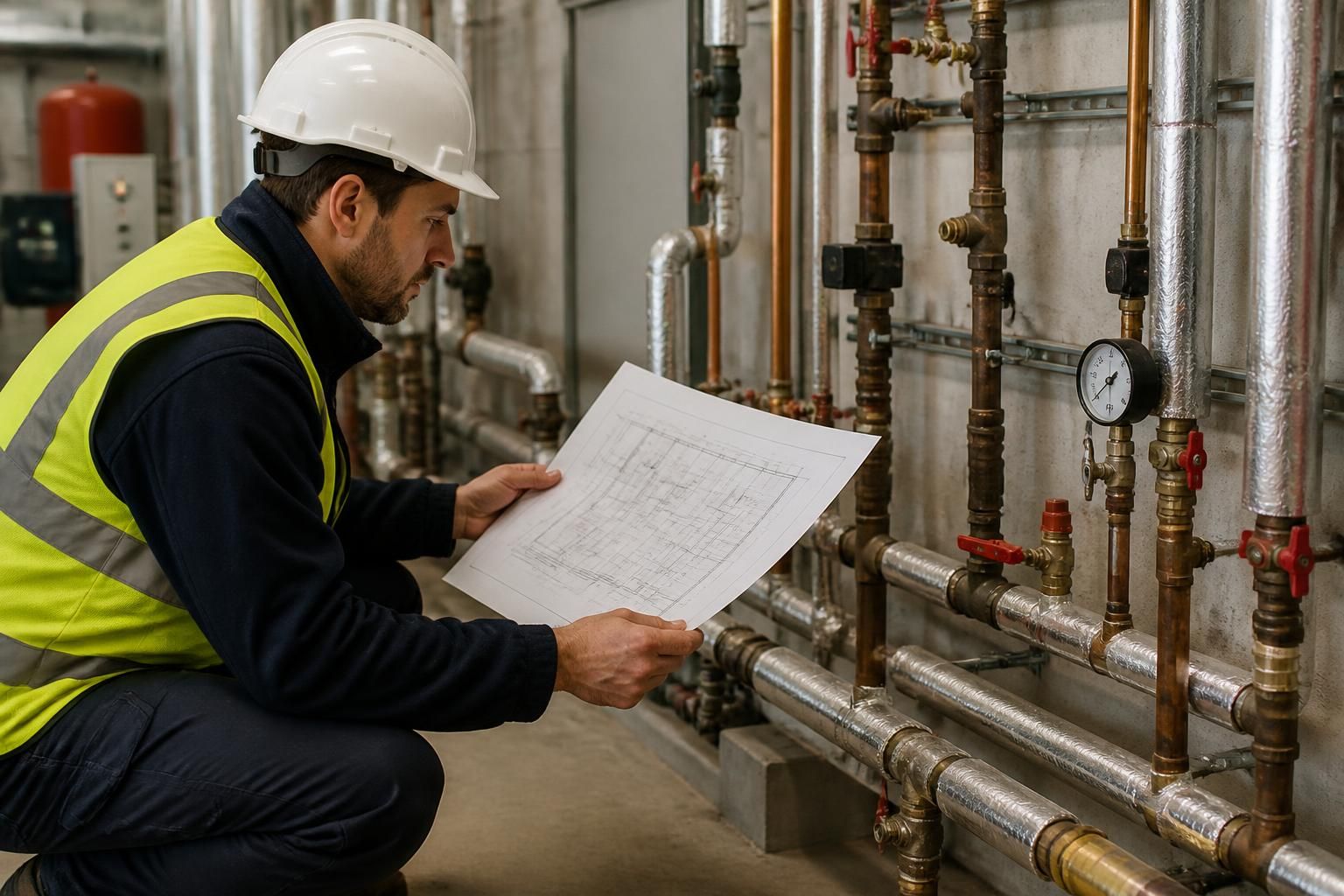
Preparation for a commercial leak detection appointment should focus on site safety, clear responsibility and preserving evidence of the suspected leak. A well-organised visit helps the engineer work methodically and ensures the findings are recorded in a way that is useful for maintenance, insurance or repair decisions.
- Nominate a site contact. Choose someone who understands the building’s normal operation and can authorise sensible decisions during the visit. Make sure they know who can approve isolation of equipment or services if testing requires it.
- Share site rules in advance. Provide details of inductions, permits, security procedures, personal protective equipment requirements and any restricted zones. Tell the engineer about known electrical hazards, confined spaces, asbestos risks or other conditions that could affect safe working.
- Keep the suspected evidence intact. Avoid dismantling fittings, sealing cracks, drying every affected surface or carrying out temporary alterations immediately before the appointment unless necessary to protect people or property. Changes can make traces more difficult to interpret. Photograph visible staining, pooling or damaged materials if it is safe to do so.
- Make the working environment safe. Remove loose objects and movable stock from areas likely to be examined, protect valuable contents and deal with slip hazards. Do not enter flooded, electrically unsafe or otherwise hazardous areas simply to prepare them; report those risks to the responsible person.
- Coordinate with occupants and departments. Tell staff, tenants or other businesses that inspection work is planned and explain which activities may need to pause. This is particularly important where testing could affect washrooms, kitchens, production areas, plant or customer-facing spaces.
- Confirm the required deliverable. Decide whether you need a written report, marked-up location, photographs, moisture readings, recommendations for further investigation or information suitable for an insurance claim. Explain this before the appointment so the inspection can be documented appropriately.
- Clarify the suspected system. Note whether the concern relates to a heating circuit, water supply, drainage installation, appliance connection or another part of the property’s plumbing. Include the names of relevant facilities or maintenance contacts who may know how the system is configured.
- Prepare administrative details. Have the purchase order or authorisation reference, invoicing information and site contact details available. If the property has security, loading or parking controls, provide the relevant instructions before the visit rather than leaving them to be resolved on arrival.
- Plan for possible follow-up. Leak detection identifies evidence and helps narrow the source, but some findings may require a separate repair, access opening or specialist assessment. Identify who will review the report and how decisions about remedial work will be made.
Do not operate unfamiliar valves, isolate services or remove panels unless this is authorised and safe. If water is close to electrical equipment, structural materials or business-critical systems, prioritise isolation by a competent person and clearly communicate the hazard before inspection begins.
After the appointment, keep the report, photographs and any marked locations with the building’s maintenance records. Recording the confirmed source, affected system and recommended next action helps prevent repeated investigation and gives future contractors a more reliable starting point.