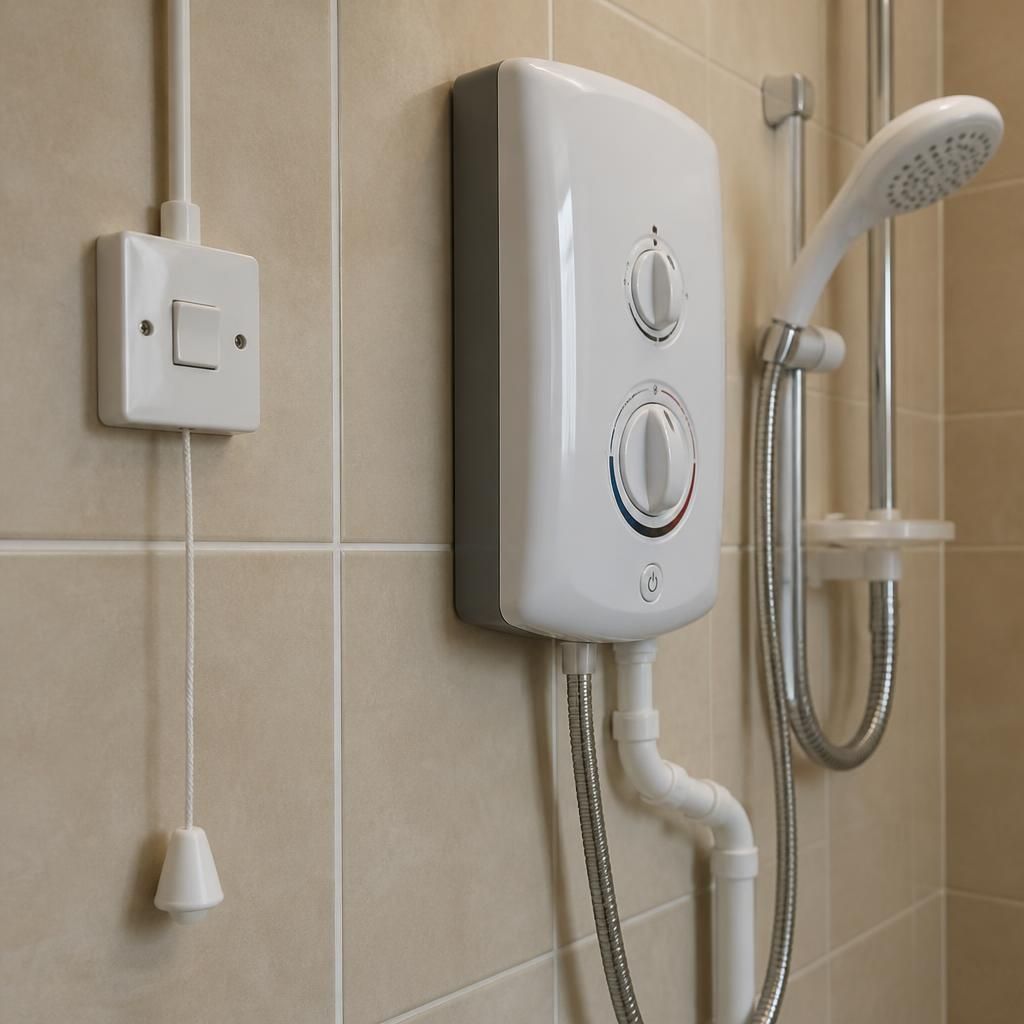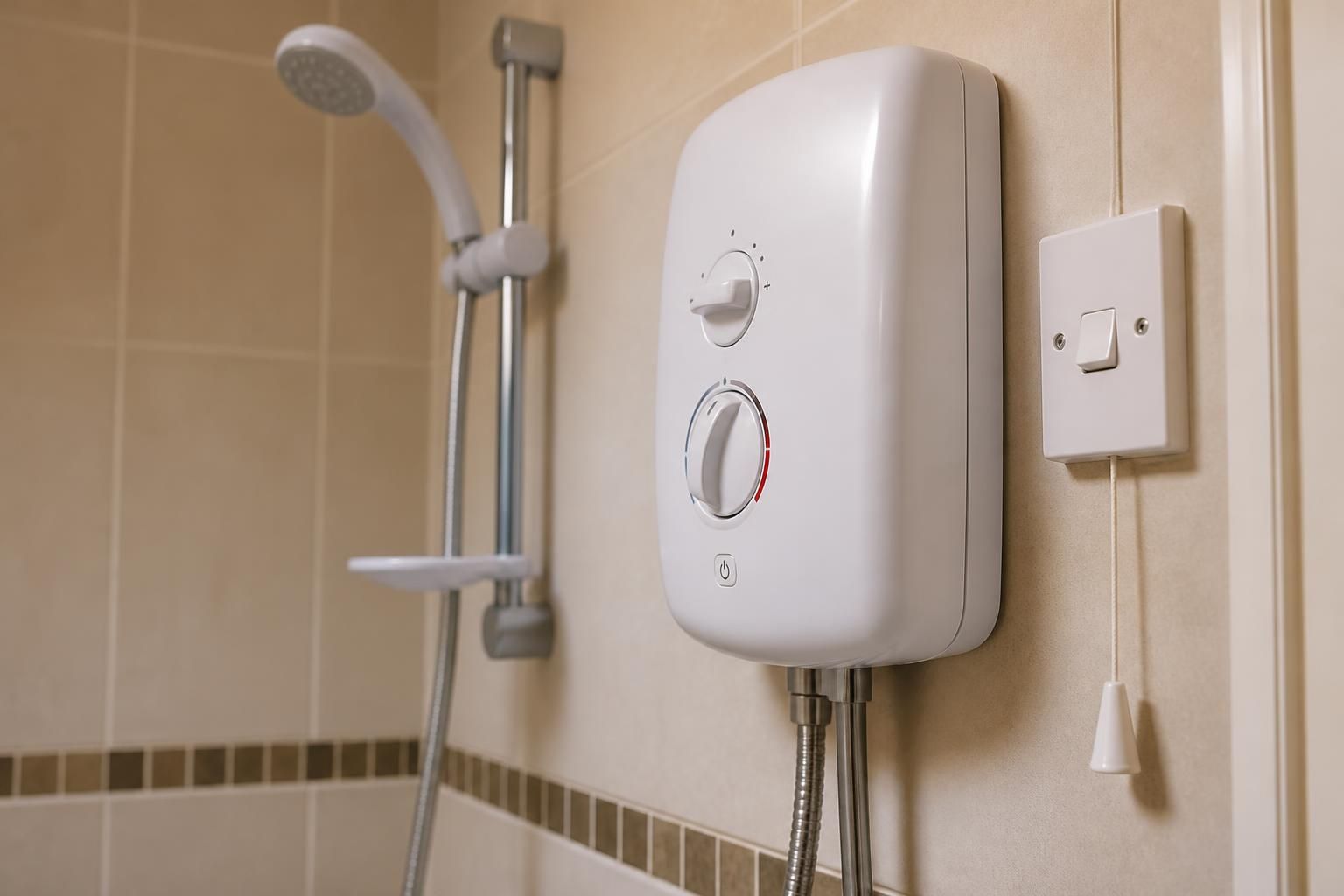
An electric shower in a rented property is part of the building’s fixed electrical and water systems, so its repair involves more than replacing a removable bathroom accessory. The work may include testing the shower unit, pull-cord switch, isolator, wiring, protective devices, water supply and waste connection to identify whether the fault is electrical, plumbing-related or caused by the appliance itself.
Who normally arranges the work? The landlord or managing agent will usually arrange an assessment and approve the repair. The tenancy agreement may set out the reporting procedure, but tenants should not remove the cover, alter the wiring, replace electrical components or attempt to bypass a safety device. Electric showers operate at high electrical loads, and an incorrect repair can create a risk of electric shock, overheating or fire.
A tenant may be responsible for reporting the problem and providing reasonable access for an agreed appointment. If the fault resulted from accidental damage, misuse or an unauthorised alteration, the landlord may investigate whether the tenant should contribute to the cost. Responsibility depends on the cause of the fault, the tenancy terms and the condition of the installation, rather than simply on who uses the shower.
What should happen before a repair?
- The tenant should describe the symptoms accurately, such as no power, a tripping circuit, weak flow, fluctuating temperature, leaking pipework, burning smells or unusual sounds.
- The landlord or agent should decide whether the issue requires an electrician, a plumber with suitable electrical competence, or both.
- The installer should isolate the circuit before opening the shower or testing its wiring.
- The cause should be established before parts are replaced, since a failed shower unit may be a symptom of a fault with the supply, switch, cable or protective equipment.
- Any replacement component should be suitable for the existing electrical circuit and water system.
Where the shower is unsafe, it should not be used until it has been checked. Warning signs include a burning smell, scorch marks, buzzing from the switch, tingling from the controls, water reaching electrical fittings, repeated circuit trips or a shower that becomes excessively hot. If it is safe to do so, the occupier can stop using the shower and notify the landlord or agent. They should not repeatedly reset a tripping circuit or continue testing the appliance.
Access arrangements are also important. The tenant should keep the area around the shower and isolation switch accessible, secure pets and advise the contractor about any relevant concerns. The landlord or agent should provide the contractor with information about previous faults, recent alterations and any known electrical issues. Photographs of visible damage can help establish the condition before inspection, but they do not replace an on-site safety assessment.
After the repair, the responsible person should retain the invoice or report, details of parts fitted and any testing information. A record is useful if the same fault returns and helps demonstrate that the property’s fixed installation has been dealt with appropriately. If the shower cannot be repaired safely or economically, the landlord may need to consider a like-for-like replacement, subject to the condition of the circuit and the requirements of the property.
For landlords, arranging the correct trade is particularly important because an electric shower combines water and mains electricity. For tenants, the safest approach is to report the symptoms promptly, follow the agreed reporting route and wait for an authorised professional to inspect the installation. Ideal Plumbing Services can assess electric shower faults for residential properties and explain whether the issue appears to require repair, electrical attention or replacement.