Once the source of a shower leak has been identified, the next stage is to control the affected area, gain suitable access and carry out the repair without creating further damage. The exact method depends on whether the fault is in a pipe, connection, shower fitting, waste outlet, seal, grout or surrounding installation.
The plumber will first consider how the leak should be contained while the work is prepared. This may involve isolating the relevant water supply and, where an electric shower is involved, taking appropriate electrical safety precautions. The shower should not be put back into normal use until the repair has been completed and the installation is considered safe.
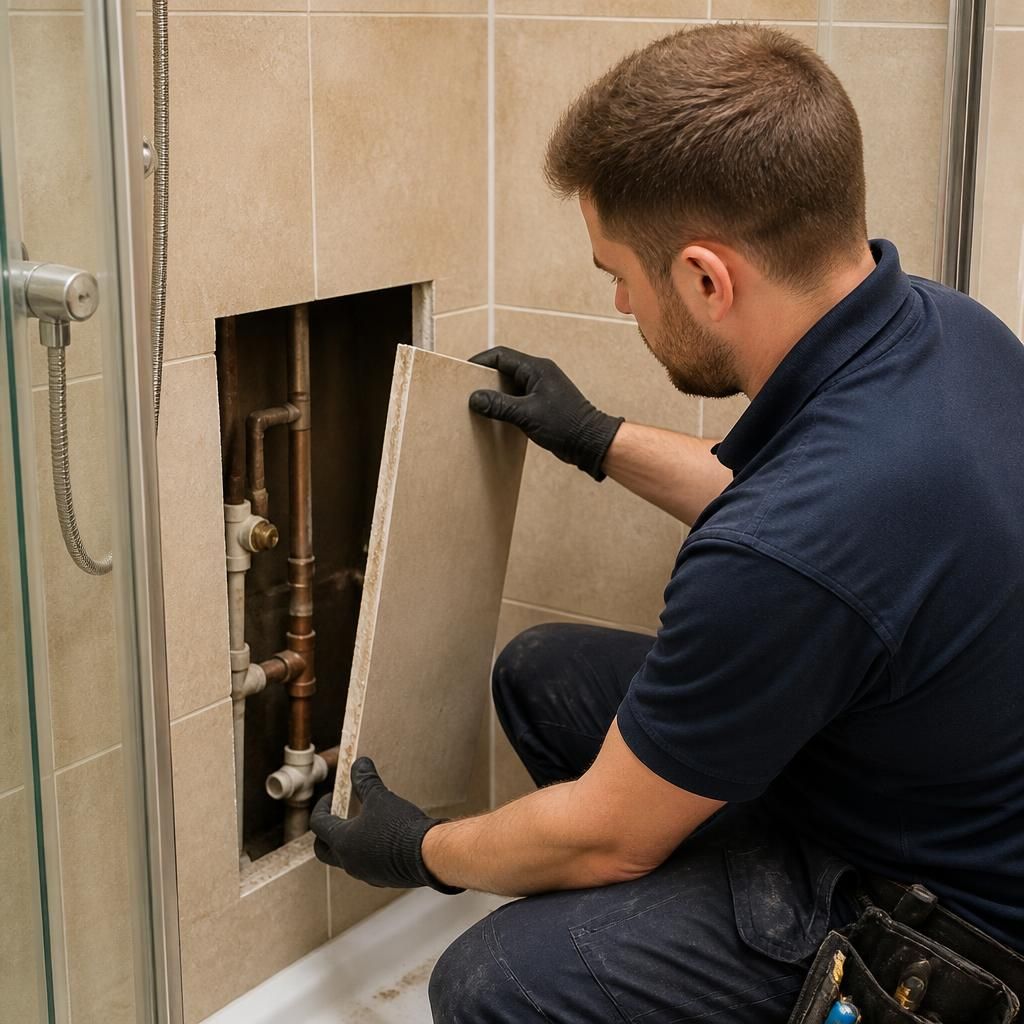
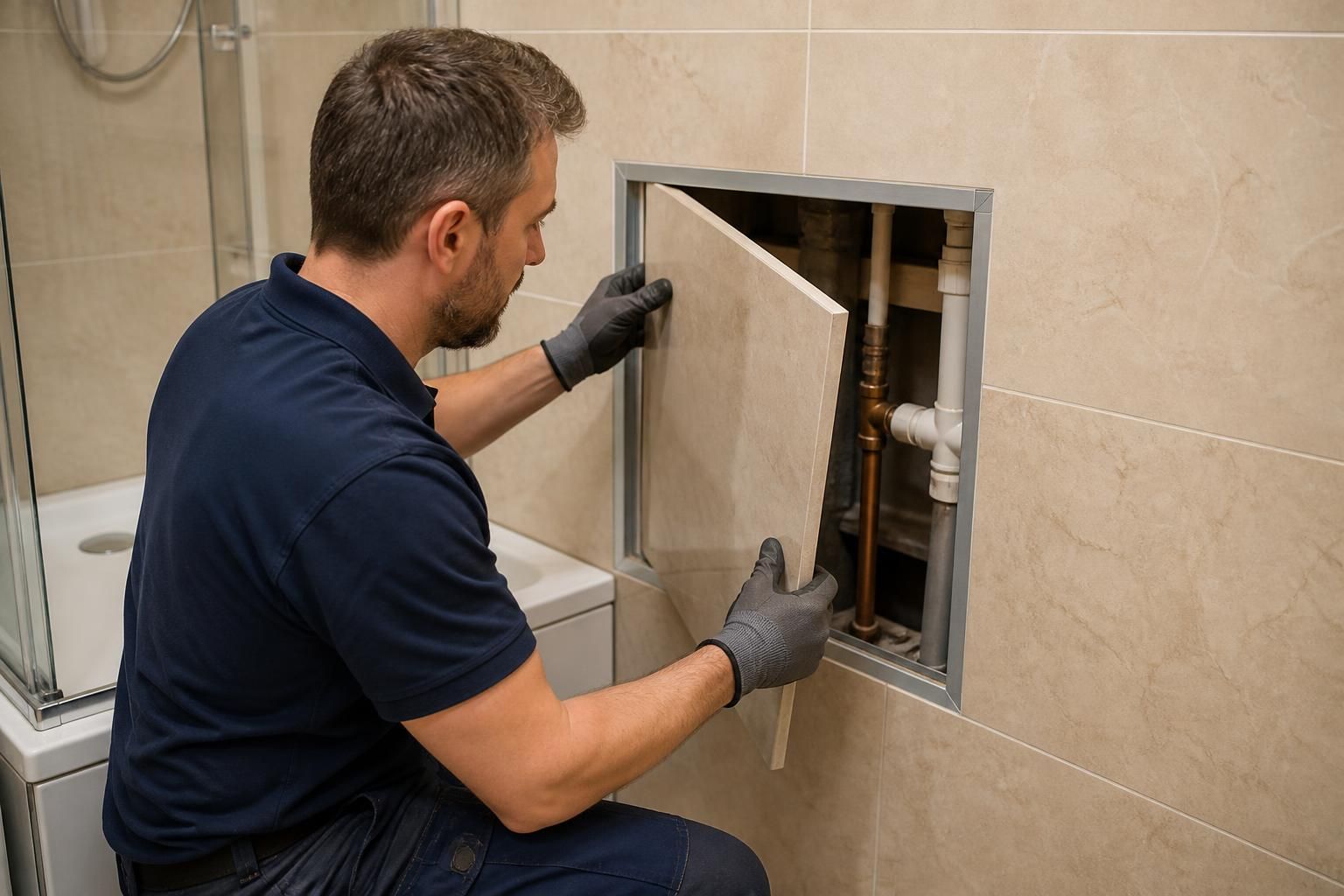
Access may be needed behind a shower panel, beneath a tray, around a bath, through a removable section of flooring or behind wall coverings. Where possible, the least disruptive access route is selected. However, a concealed pipe or failed connection can sometimes require removal of tiles, panels or sealant before the faulty component can be reached properly.
The repair itself is matched to the cause of the leak. Depending on the findings, this could include:
- Renewing a worn seal, washer, compression fitting or section of pipework.
- Replacing a damaged shower hose, connection, valve component or waste fitting.
- Re-sealing a joint where old sealant has failed, provided the underlying surface and installation are sound.
- Correcting a poorly connected waste or drainage component that is allowing water to escape during use.
- Removing and refitting a component where tightening alone would not provide a dependable repair.
A visible drip is not always the full extent of the problem. Water can travel behind tiles, beneath a shower tray or through flooring before appearing at a ceiling or skirting board. For that reason, surrounding areas may need to be checked for dampness, staining, soft materials, mould or deterioration. If building materials have absorbed water, they may need time to dry, and decorative repairs may be separate from the plumbing work.
After the faulty part has been dealt with, the area is normally reassembled and finished as far as the plumbing repair allows. New sealant or replaced fittings need to be installed on clean, suitable surfaces. Poor preparation can allow a leak to return even when the original component has been replaced.
If water has reached another room or a property below, photographs and notes can help establish which areas were affected and what work has been undertaken. Homeowners may also need to arrange separate repairs to plaster, paint, flooring or cabinetry if these materials have been damaged. In a rented home, the tenant should inform the landlord or managing agent and agree responsibility for access and non-plumbing remedial work.
It is also worth checking whether the leak has affected more than one part of the shower installation. A failed seal may occur alongside a loose connection, while persistent moisture after a repair can indicate trapped water, a second leak or water escaping from a different route. Continuing to use the shower in that situation can make it harder to identify the remaining problem.
Ideal Plumbing Services provides advice and repair support for residential customers in Birmingham and across the wider West Midlands. The company can explain the practical next steps where a shower leak has been located, including any access requirements and related plumbing work that may be needed.