Yes, a kitchen tap in a rented property can usually be repaired, provided the fault is suitable for repair and the person arranging the work has the landlord’s permission where required. Common repairs include replacing worn washers, cartridges, O-rings, aerators, tap connectors and flexible hoses. A plumber can also check whether the problem is caused by an isolation valve, a supply pipe or the tap fitting itself.
Who should arrange the repair? The tenancy agreement normally sets out responsibility for plumbing repairs. A tenant should report a leaking, dripping or faulty tap to the landlord or letting agent and provide clear details of the problem. The landlord can then approve the work and appoint a plumber. Tenants should avoid removing the tap or arranging permanent alterations without consent, as they could become responsible for damage or unauthorised work.
Landlords may be responsible for repairing plumbing fixtures supplied with the property, although the exact position can depend on the tenancy terms and the cause of the fault. If damage resulted from misuse, an impact or an unapproved alteration, responsibility may be considered differently. Keeping photographs, reporting the issue in writing and recording any temporary action taken can help avoid misunderstandings.
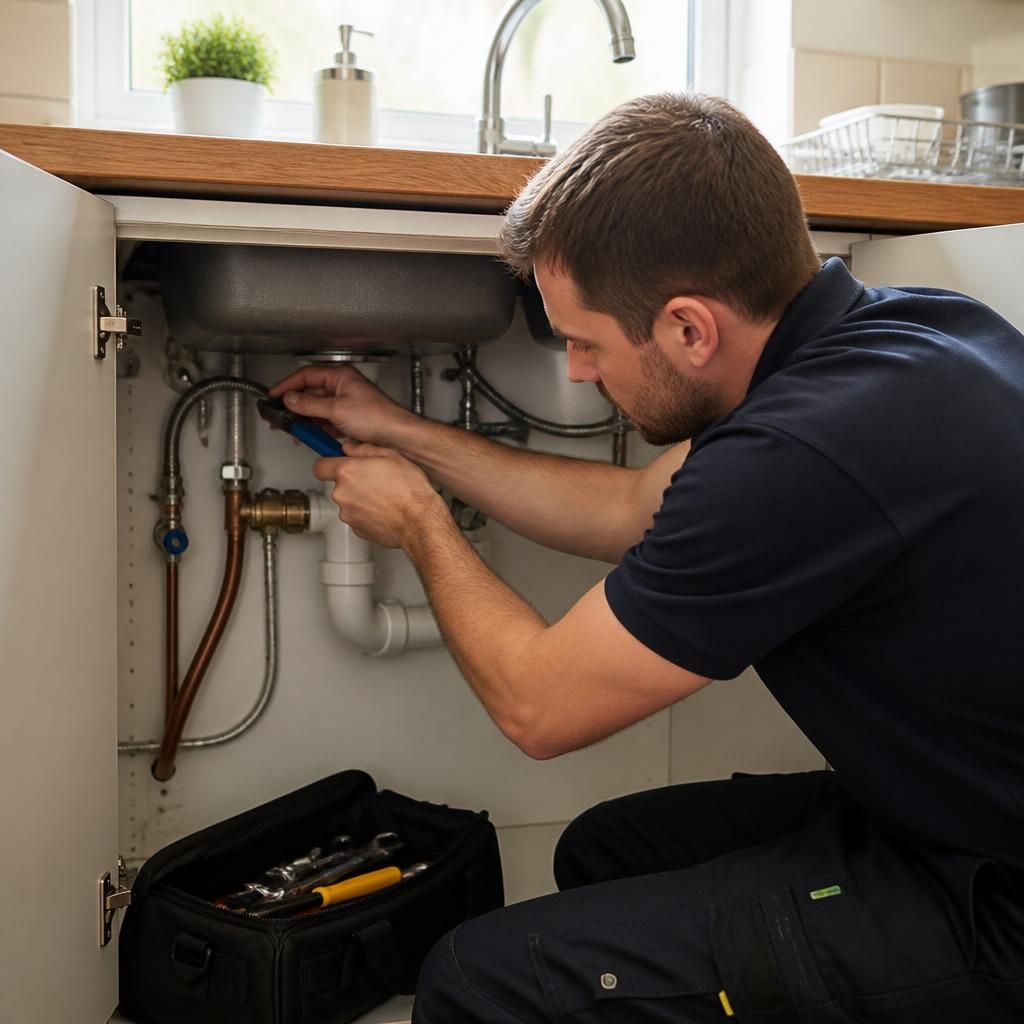
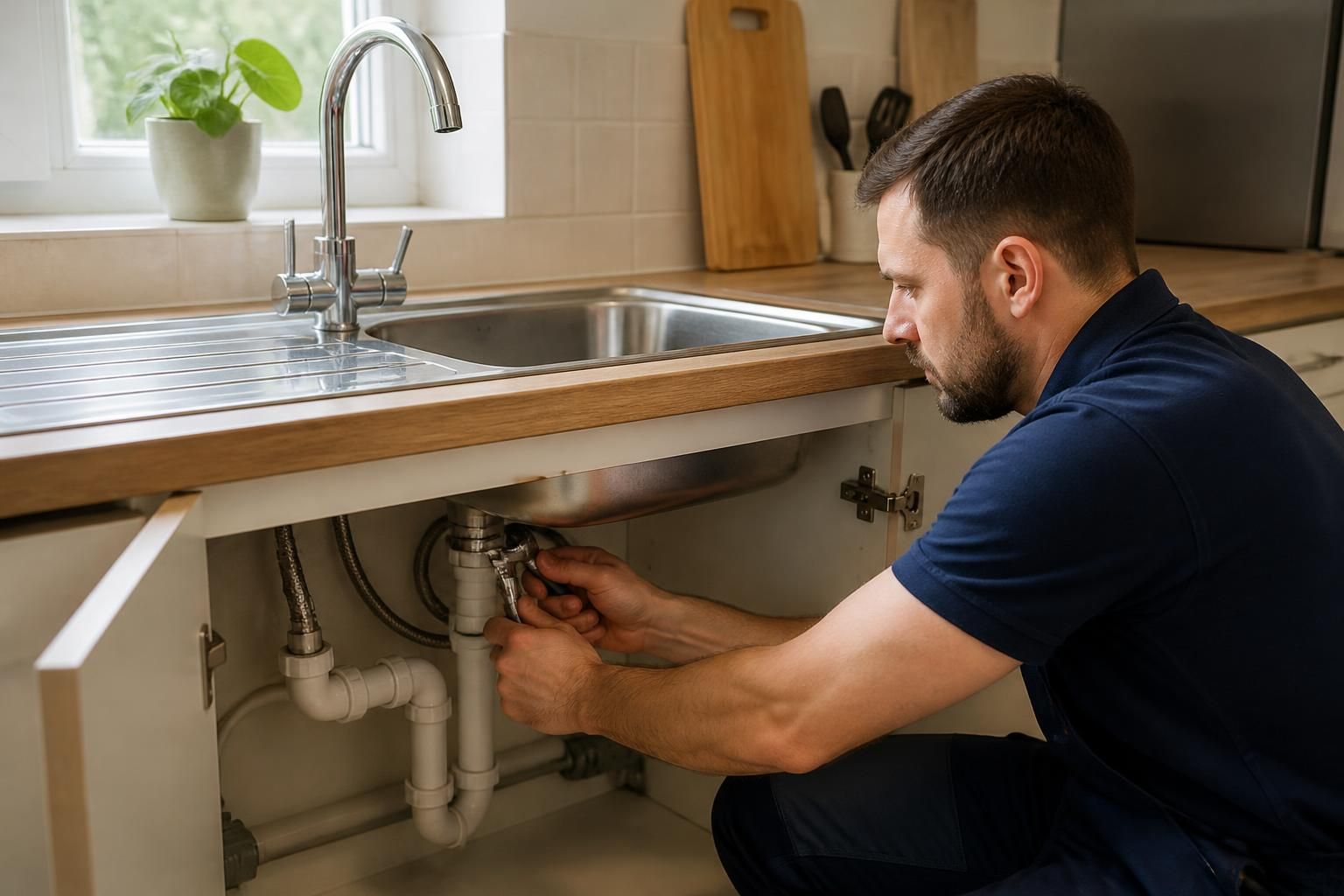
What a plumber will check A proper assessment usually starts by identifying where the water is coming from and whether the tap can be safely isolated. The plumber may inspect:
- the spout, handles and base of the tap for leaks or movement;
- the cartridge, washers or ceramic discs inside the mechanism;
- the connections beneath the sink, including flexible hoses and compression fittings;
- the isolation valves and nearby pipework;
- water pressure, flow and signs of limescale or corrosion.
A dripping tap may need only an internal component, whereas a leak from the body of the tap, badly corroded connection or damaged thread may make replacement more practical. A repair is not always the best option if compatible parts are unavailable or the fitting has deteriorated significantly. The plumber should explain the recommended work before proceeding, particularly where the repair could become a replacement.
Does the sink need to be removed? Usually not. Many kitchen taps can be accessed from inside the cupboard beneath the sink. However, restricted cupboard space, seized retaining nuts or pipework that is difficult to reach can make the work more involved. The plumber can confirm the access requirements during the assessment rather than assuming that the whole sink must be disturbed.
If the tap is actively leaking, the tenant should place a container or towel beneath the affected area and avoid using the fitting until it has been assessed. If accessible, the local isolation valve can be turned off, but it should not be forced. Where water is reaching electrical appliances, cupboards or flooring, the affected area should be kept clear and the issue reported to the landlord or agent immediately.
For landlords and tenants in Birmingham and the wider West Midlands, Ideal Plumbing Services can assess kitchen tap faults and advise whether a component repair or replacement is appropriate. The work should be arranged with the relevant permission, with the condition of the existing fitting and any necessary parts considered before installation.