The final cost of an emergency kitchen tap repair is usually made up of the plumber’s labour, the inspection and diagnosis, any replacement components, and the work needed to access or isolate the tap. A minor fault may only require a small part and a short repair, while a worn or damaged tap may be more practical to replace.
What commonly affects the price?
- The fault itself: dripping outlets, stiff handles, leaking cartridges, damaged seals and loose fittings require different repairs. A leak from the tap body may indicate more extensive internal damage than a worn washer or connection.
- Replacement parts: The cost depends on whether the repair needs seals, cartridges, tap connectors, isolation valves, flexible hoses or other compatible components. Some parts can be replaced individually; others are only available as part of a repair kit or complete tap.
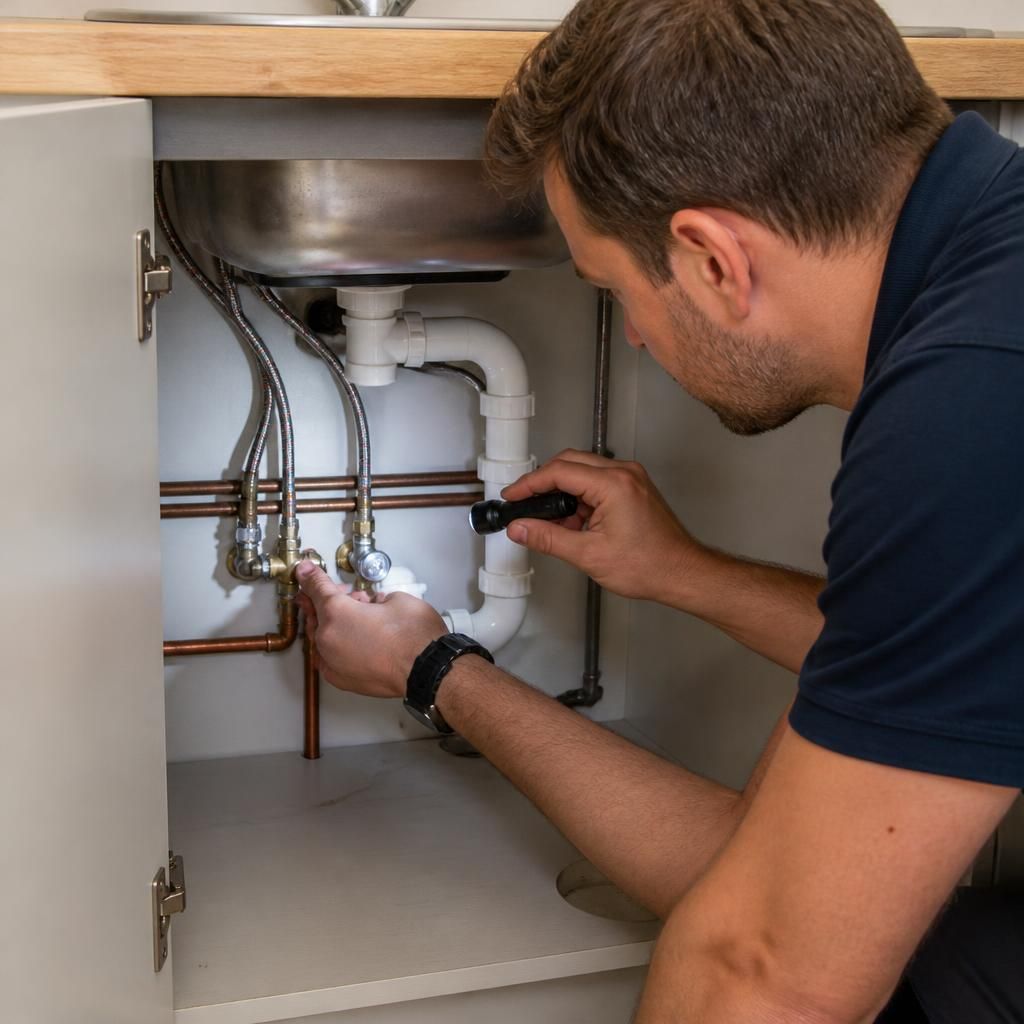
- Access beneath the sink: Restricted cupboard space, seized fittings, corrosion or items stored around the pipework can make removal and repair more involved. The condition of the isolation valves also matters, as they must work properly to shut off the water safely.
- Related plumbing problems: A tap leak can expose damaged pipework, loose joints or deteriorated connections below the sink. Correcting these issues adds work beyond repairing the tap mechanism itself.
- Repair or replacement: Repairing a serviceable tap is often the more economical option, but replacement can be more suitable when the tap is heavily corroded, obsolete or repeatedly developing faults.
Does emergency work cost more? The price can differ from a planned plumbing visit because an urgent fault may require additional assessment, immediate isolation of the water supply or work in less convenient conditions. The relevant comparison is not simply the type of tap, but the amount of labour and materials needed to make the installation safe and watertight.
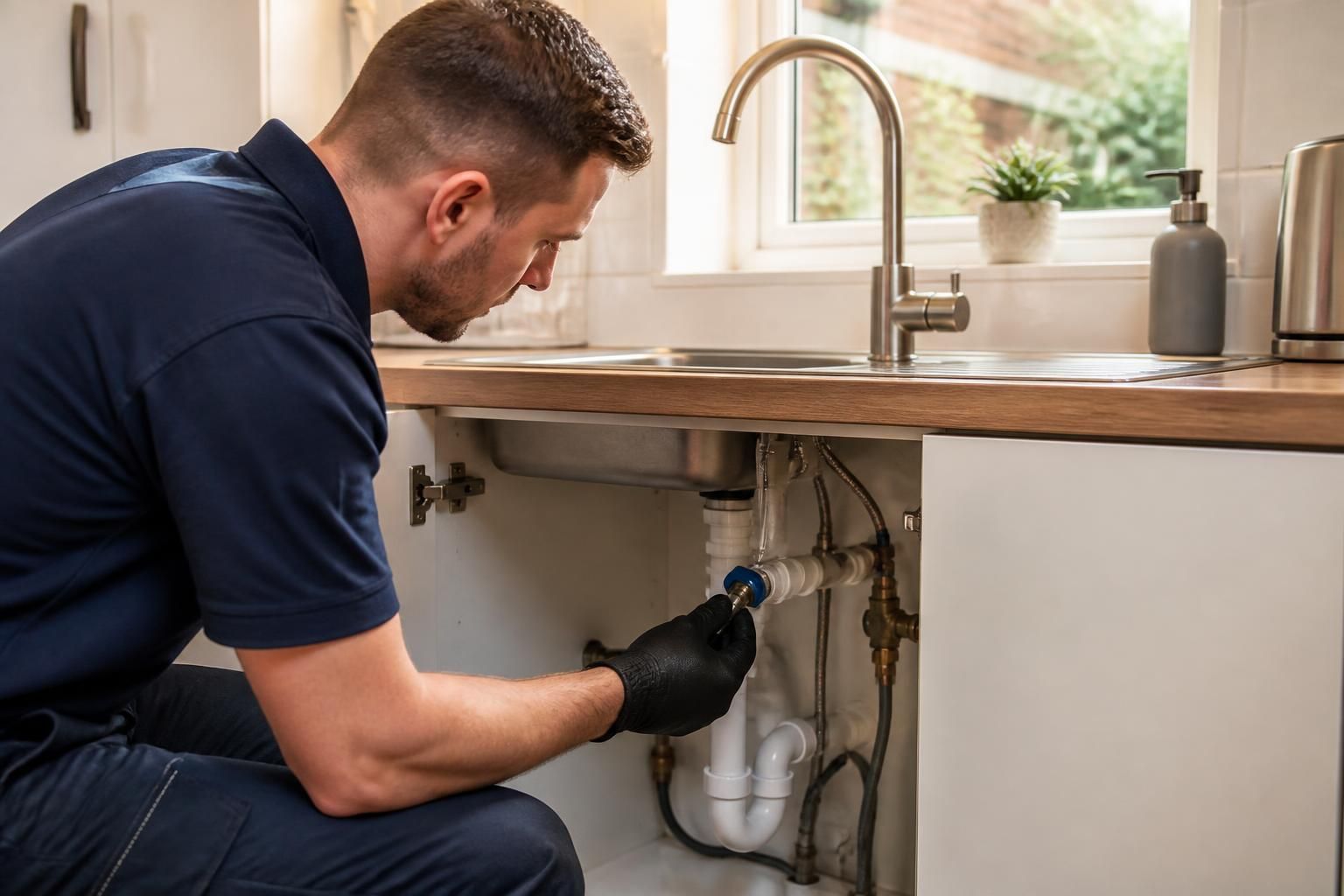
A plumber should inspect the tap and surrounding connections before confirming the repair. This helps distinguish an internal tap fault from a leak at the flexi-hose, valve, joint or sink connection. An accurate quotation should explain whether it covers diagnosis, labour, parts, removal of the old tap and testing after the repair.
Questions to ask before authorising the work
- Is the quoted amount for repairing the existing tap or fitting a replacement?
- Are parts included, and will compatible components be used?
- Could the isolation valves or connecting pipework require separate attention?
- Will the old tap be removed and the area checked for leaks after the repair?
- Are there any additional charges if the initial diagnosis reveals concealed damage?
For homeowners and landlords in Birmingham, keeping photographs of the tap, the leak and the pipework beneath the sink can help a plumber understand the problem before attending, although the final price still depends on an inspection. Tenants should normally report the fault to the landlord or managing agent and obtain permission before arranging chargeable plumbing work, unless the tenancy agreement says otherwise.
Ideal Plumbing Services can assess kitchen tap faults, explain whether repair or replacement is appropriate, and provide clear pricing before proceeding. The company’s experience with residential plumbing repairs and its policy of no hidden charges are intended to make the cost easier to understand before work starts.