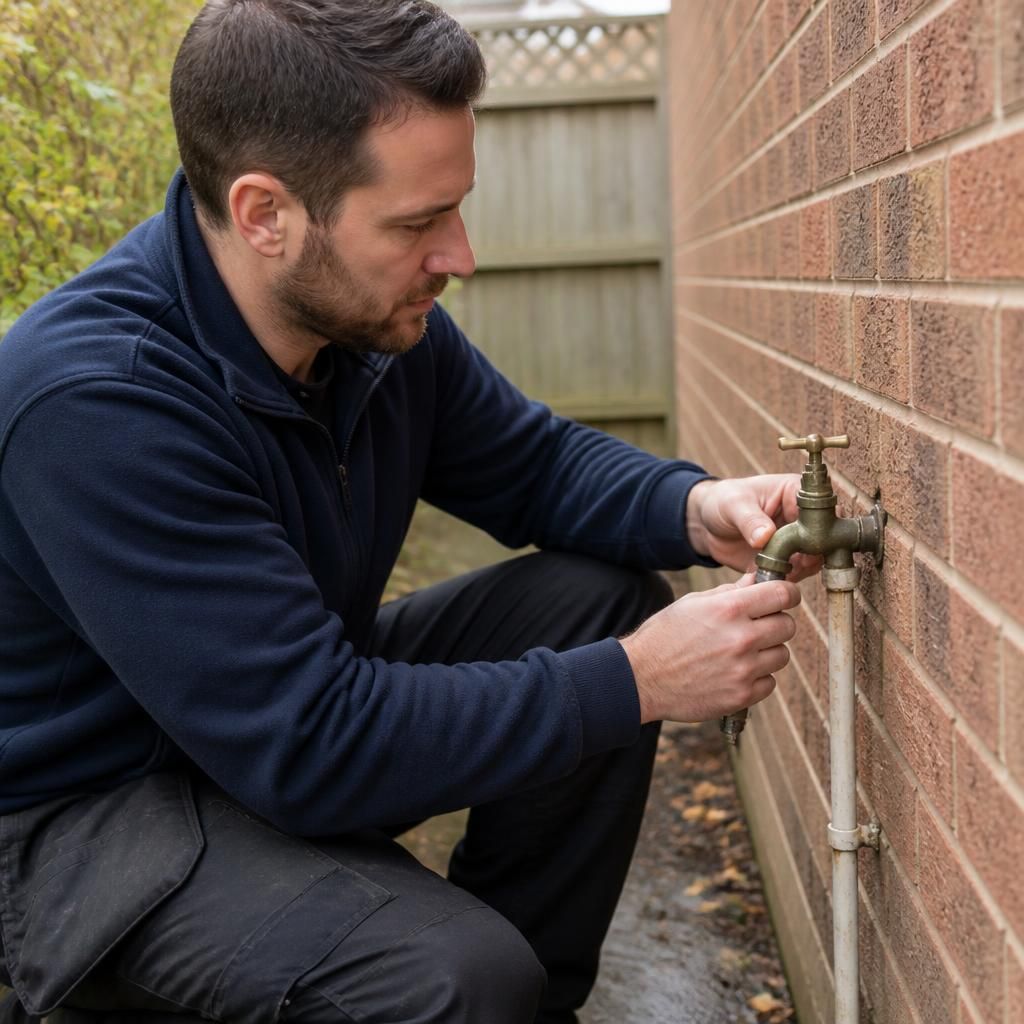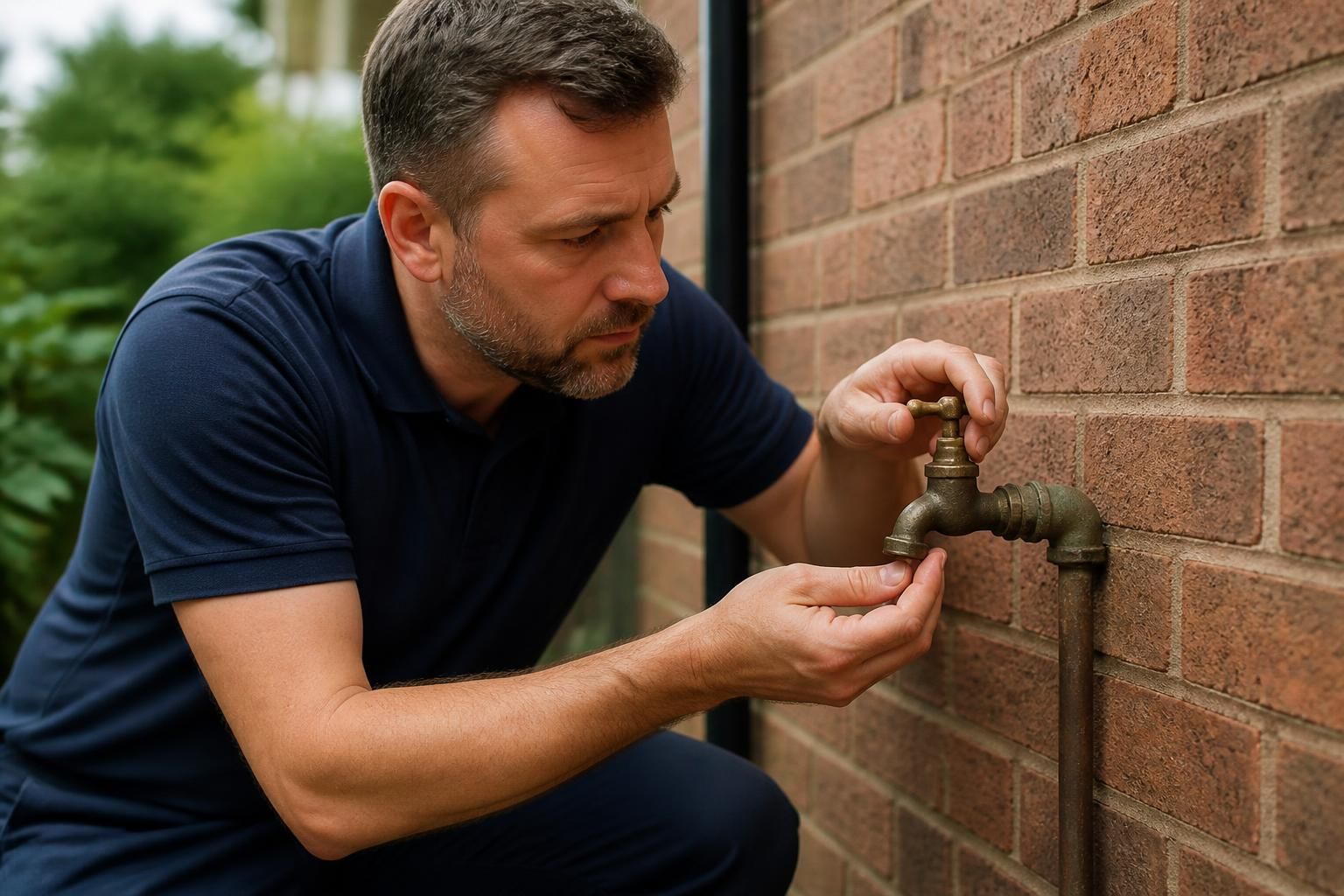
An outdoor tap at a rented property is generally repairable, but the correct person to arrange and authorise the work depends on the tenancy agreement, the cause of the fault and whether the problem has created an immediate risk of water damage. A plumber can establish whether the issue is limited to a washer, spindle, valve, connection or short section of pipe, rather than assuming the complete tap must be replaced.
Check the tenancy agreement first. It may explain how plumbing defects should be reported, whether the tenant may instruct a contractor and how access is arranged. The landlord or letting agent will normally want to choose the plumber or approve the quotation before work begins. Written approval is useful because it confirms who is responsible for the cost and prevents disagreement over an invoice.
Where the tap has failed through age, a faulty component or a defect in the property’s plumbing, the landlord will generally need to organise the repair. This can include replacing worn internal parts, renewing a leaking joint, securing a loose fitting or repairing pipework serving the tap. A tenant should not be expected to carry out technical plumbing work simply because the tap is outside or only supplies a garden.
A tenant may be charged where the damage resulted from avoidable misuse, accidental impact or an unauthorised alteration. For example, forcing a seized handle, attaching unsuitable equipment or leaving a removable hose fitting under pressure could affect the assessment. The cause should be established before accepting liability; a tenant is not automatically responsible merely because the fault was discovered during the tenancy.
What the tenant should do:
- Turn off the outdoor tap and, if necessary, isolate its supply using the relevant internal isolation valve or stopcock.
- Place a container or towels beneath the fitting to limit water damage.
- Take clear photographs or video of the tap, visible leakage and any affected surfaces.
- Report the fault promptly to the landlord or letting agent, stating whether water continues to flow when the tap is closed.
- Do not dismantle the fitting or book chargeable work unless the landlord has authorised it, except where immediate action is reasonably necessary to prevent worsening damage.
If water is entering the building, reaching electrical equipment or cannot be controlled using the available isolation valve, the matter should be treated as urgent. Tell the landlord or agent exactly what has happened and what has been isolated. If a plumber is instructed, provide details of the property’s stopcock, the tap’s location and any recent freezing, impact or building work that may be relevant.
Repair or replacement? A repair may be suitable when the tap body is sound and the fault is confined to a replaceable part or connection. Replacement is more likely where the body is cracked, badly corroded, stripped or damaged around the wall connection. The plumber should explain the fault and distinguish essential work from optional improvements, such as upgrading the fitting or adding an internal isolation valve.
The landlord or agent should retain the plumber’s report, photographs and invoice, particularly if the repair is being considered when the tenancy ends. Tenants should keep copies of their original report and any instructions received. This evidence helps separate normal maintenance from damage and provides a clear record if responsibility or reimbursement is later disputed.
For a rented home, a professional assessment is often the safest route because an outdoor tap can be connected to concealed pipework inside the wall or beneath paving. Ideal Plumbing Services can inspect the fitting, identify the source of the leak and explain the practical repair options to the landlord, agent or tenant before work is undertaken.