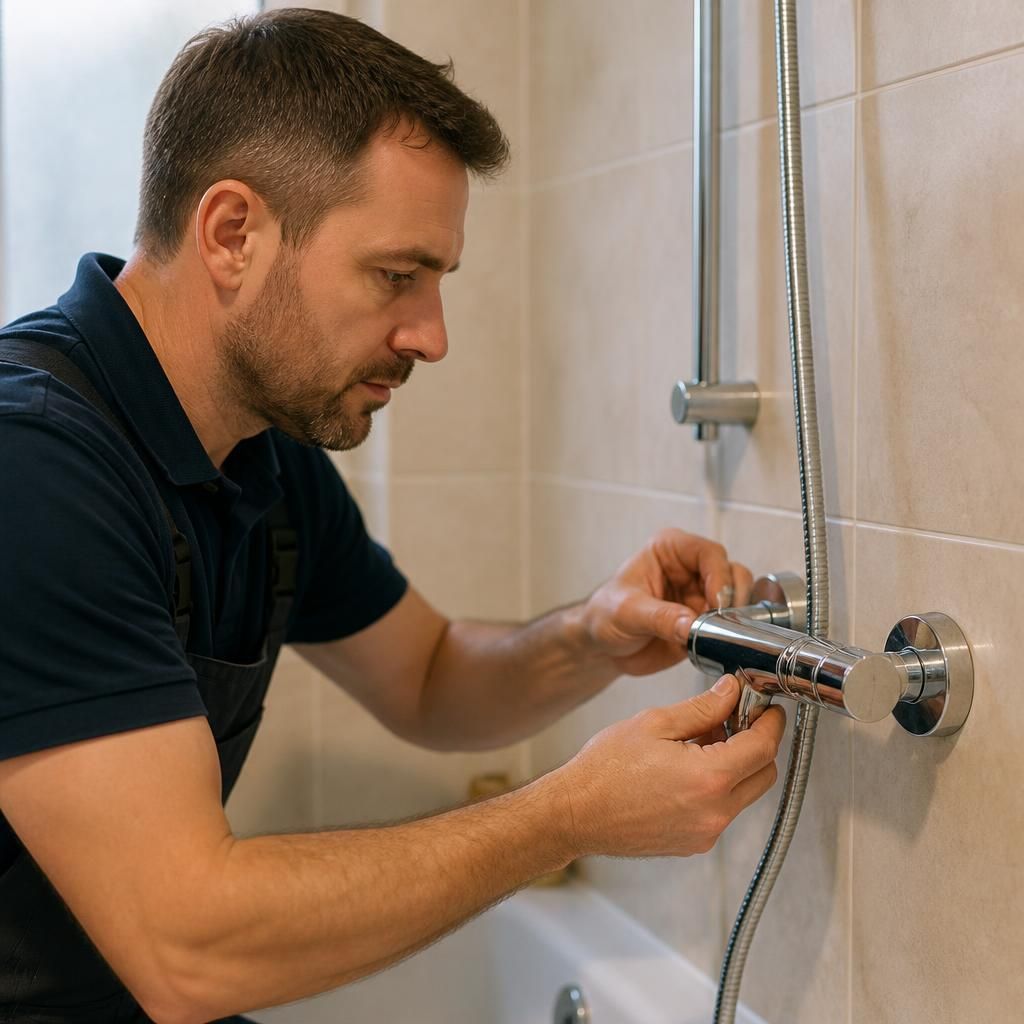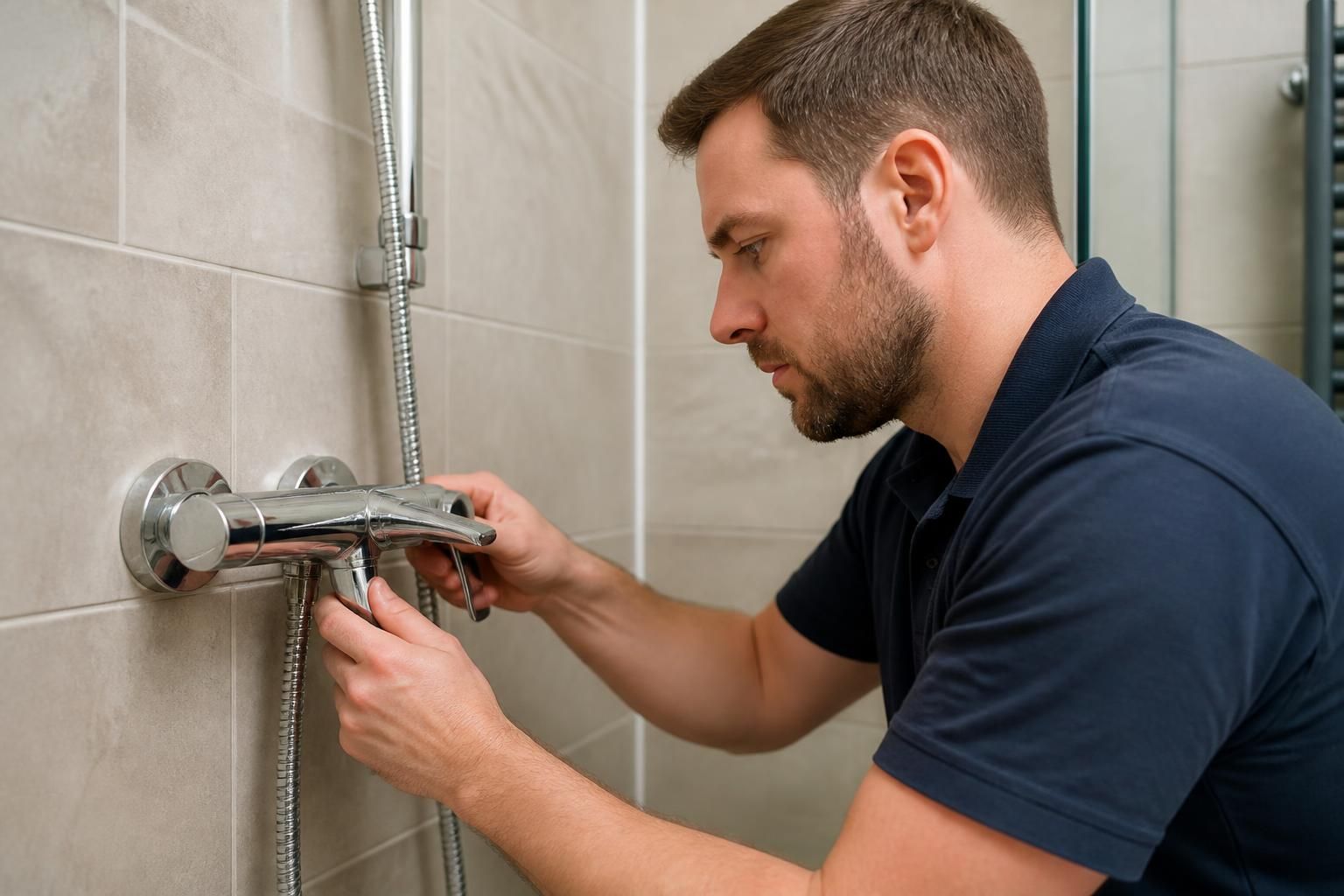
A shower tap repair in a rented property should normally be arranged through the landlord or managing agent, with the exact responsibility depending on the tenancy agreement, the cause of the fault and whether the fitting was supplied as part of the property. A plumber can assess the tap, identify the failed component and advise whether repair or replacement is the appropriate option.
Check the tenancy agreement first. It may explain how plumbing faults must be reported, who can authorise contractors and whether the tenant is responsible for fixtures they installed themselves. Even where the agreement is not clear, the tenant should notify the landlord or agent in writing before booking non-urgent work. Include a description of the problem, photographs or video if useful, and details of any water damage.
Common shower tap faults include a worn washer, damaged cartridge, loose connection, failed seal or corrosion within the valve body. A dripping tap may only need an internal component replaced, whereas restricted flow, temperature problems or a badly corroded fitting may make replacement more suitable. The plumber should establish the cause rather than replacing the complete fitting automatically.
Who normally pays depends on the cause:
- The landlord will generally arrange and pay for repairs to plumbing and sanitary installations that form part of the rented property, provided the fault is not the tenant's responsibility.
- A tenant may have to pay where the damage resulted from misuse, accidental damage or an alteration carried out without permission.
- If the tenant installed the shower tap or valve, responsibility may be governed by the installation agreement and the tenancy terms.
- If a tenant appoints a plumber without the required authorisation, the landlord may not be obliged to reimburse the cost unless the circumstances and agreement support that claim.
Do not dismantle the shower tap or attempt a repair if the fitting is leaking into a wall or ceiling. If safe to do so, stop using the shower and isolate the relevant water supply, then report the issue promptly. A continuing leak can damage plaster, flooring, cabinets or ceilings and may create a risk around electrical equipment. The landlord or agent should be told if the leak has affected another room or neighbouring property.
For an approved repair, the plumber may need access to the bathroom, the isolation valves and, in some cases, the pipework behind an access panel or tiled wall. Access behind tiles is not automatically required: many shower tap repairs can be completed from the front of the fitting, but concealed valves, damaged connections and seized components can require additional access. The contractor should explain any likely extra work before proceeding where practical.
Tenants should keep copies of messages, photographs and invoices, particularly where they have been asked to arrange an inspection. Landlords and agents should provide the plumber with details of the fitting, known access restrictions and any previous repair history. Clear records help establish whether the problem is ordinary wear and tear or damage caused by a particular incident.
When arranging the work, confirm what the quoted price includes, whether replacement parts are covered and whether making good any wall or tile opening is included. Plumbing repairs and building work are not always the same service, so any reinstatement required after access should be agreed separately. Ideal Plumbing Services can assess shower taps and valves for homeowners, landlords and managing agents, providing practical advice on the repair options available.