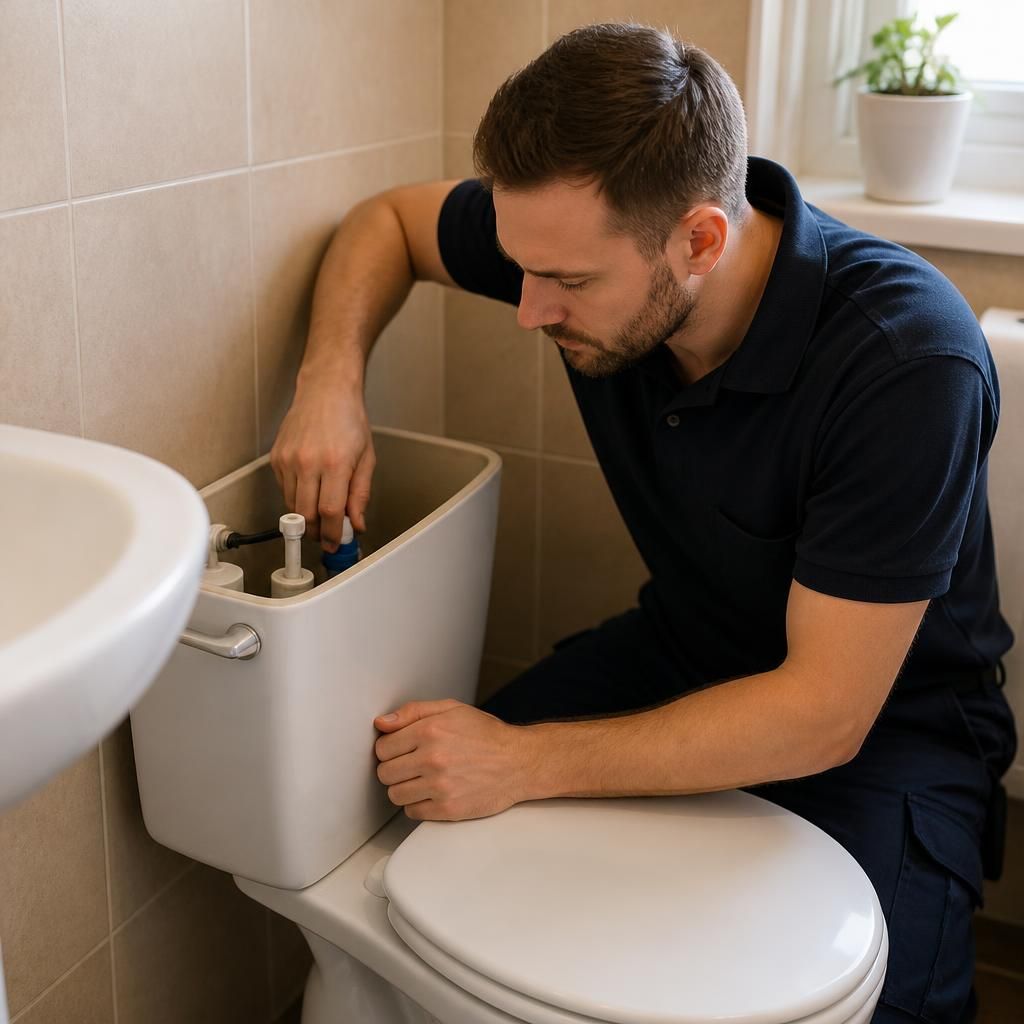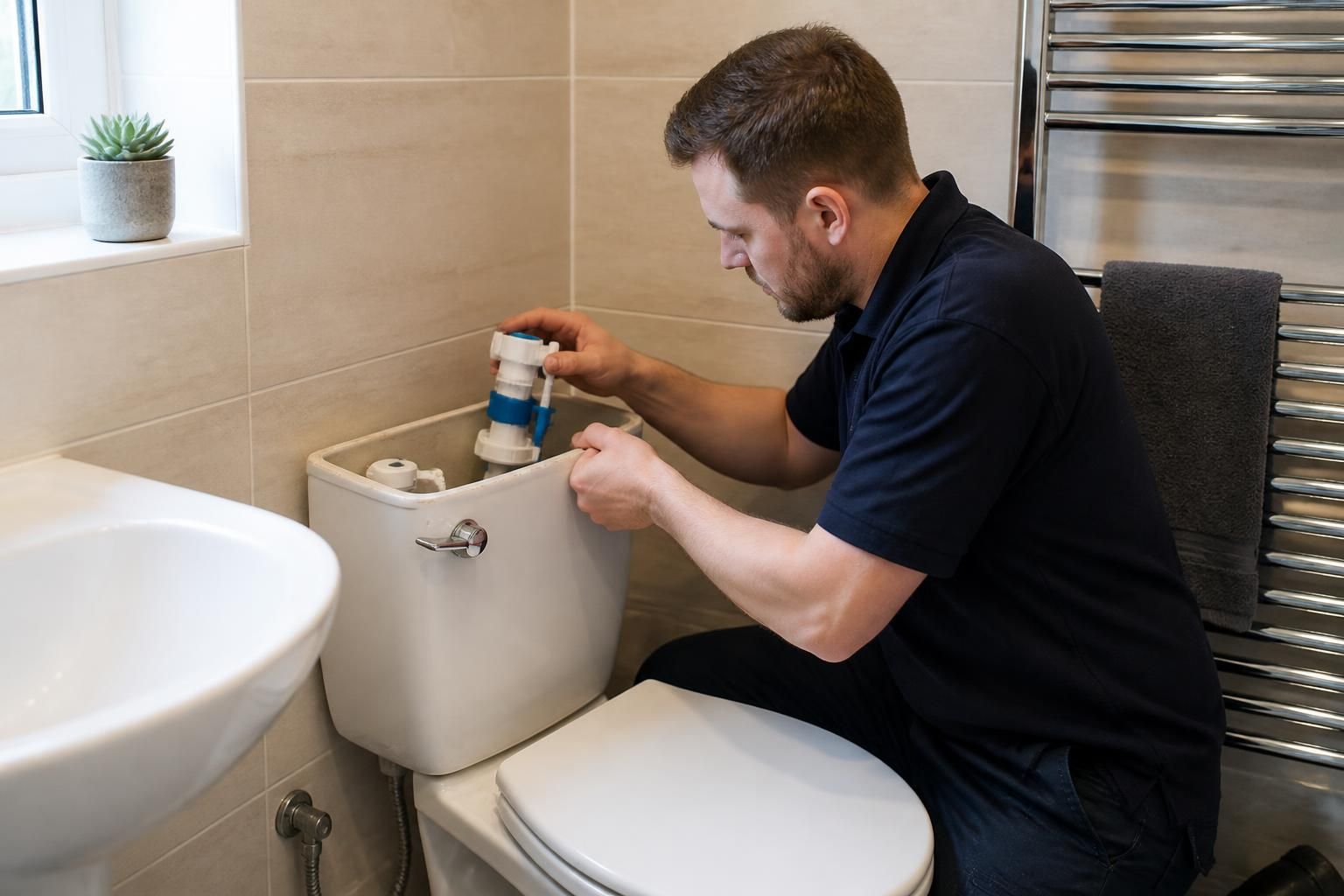
For rented homes, emergency toilet flush repair is generally suitable as a property maintenance solution, but the correct repair route depends on the tenancy terms, the cause of the fault and whether the toilet can still be used safely. A failed flush mechanism, cistern component or supply connection can often be repaired without replacing the whole toilet.
Responsibility commonly depends on what caused the problem. A defective component, normal wear and failure of the existing installation will usually be treated differently from damage caused by misuse or an unauthorised alteration. The tenancy agreement may explain who should arrange the work, who pays for it and whether the landlord or managing agent must approve the contractor.
Tenants should avoid dismantling the cistern or attempting a permanent repair if the cause is unclear. Incorrect adjustments can worsen a leaking valve, damage the ceramic cistern or leave the toilet unable to flush. If the toilet is overflowing or water is escaping, turn off the isolation valve if it can be reached safely and keep the area clear until it has been assessed.
Landlords and managing agents may need clear information before authorising work. Useful details include:
- whether the handle, button or chain operates normally;
- whether the cistern fills, continues running or fails to refill;
- whether water is leaking onto the floor or through the toilet pan;
- whether the fault affects the only usable toilet in the property; and
- photographs or a short video showing the symptoms, where this can be done safely.
An inspection should establish whether the problem is limited to the flush mechanism or linked to the inlet valve, overflow, pan connector, cistern, supply pipe or concealed plumbing. The repair may involve adjusting or replacing a component, resealing a connection or identifying a wider defect. A competent plumber should explain which work is necessary before carrying out additional repairs, particularly where the landlord is responsible for authorising expenditure.
Where a replacement part is no longer suitable or the cistern is damaged, replacing the flush assembly may be more practical than repairing one worn component. Full toilet replacement is not automatically required. The least disruptive appropriate repair should be considered first, while taking account of the condition and compatibility of the existing installation.
Tenants should request a written description of the fault and work completed, together with any invoice or receipt needed for the landlord or agent. Landlords should keep these records as part of the property's maintenance history. If the repair is chargeable to the tenant, the basis for that charge should be clear rather than assumed.
Ideal Plumbing Services can assess emergency toilet flush faults in rented properties and explain the repair required to tenants, landlords and managing agents. A clear diagnosis helps the responsible party decide whether to approve a component repair, arrange further maintenance or replace damaged equipment.