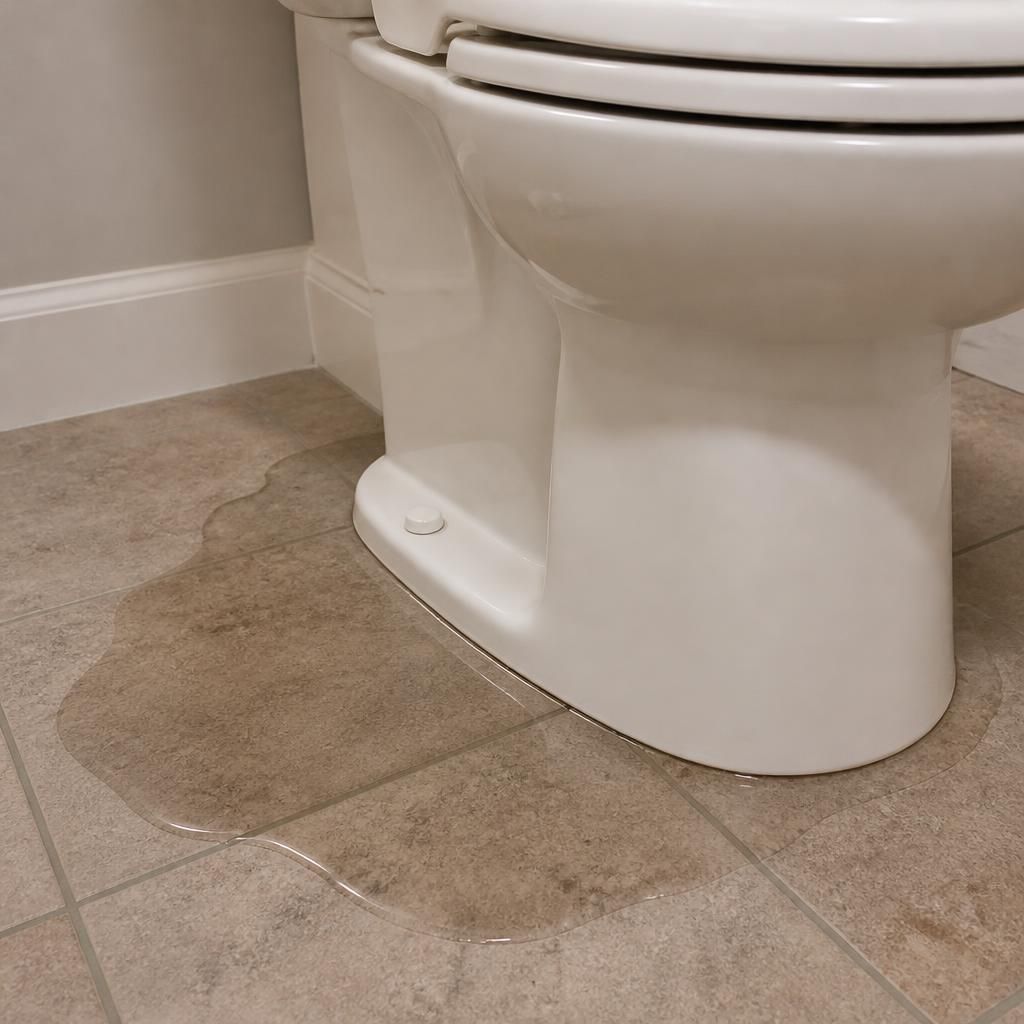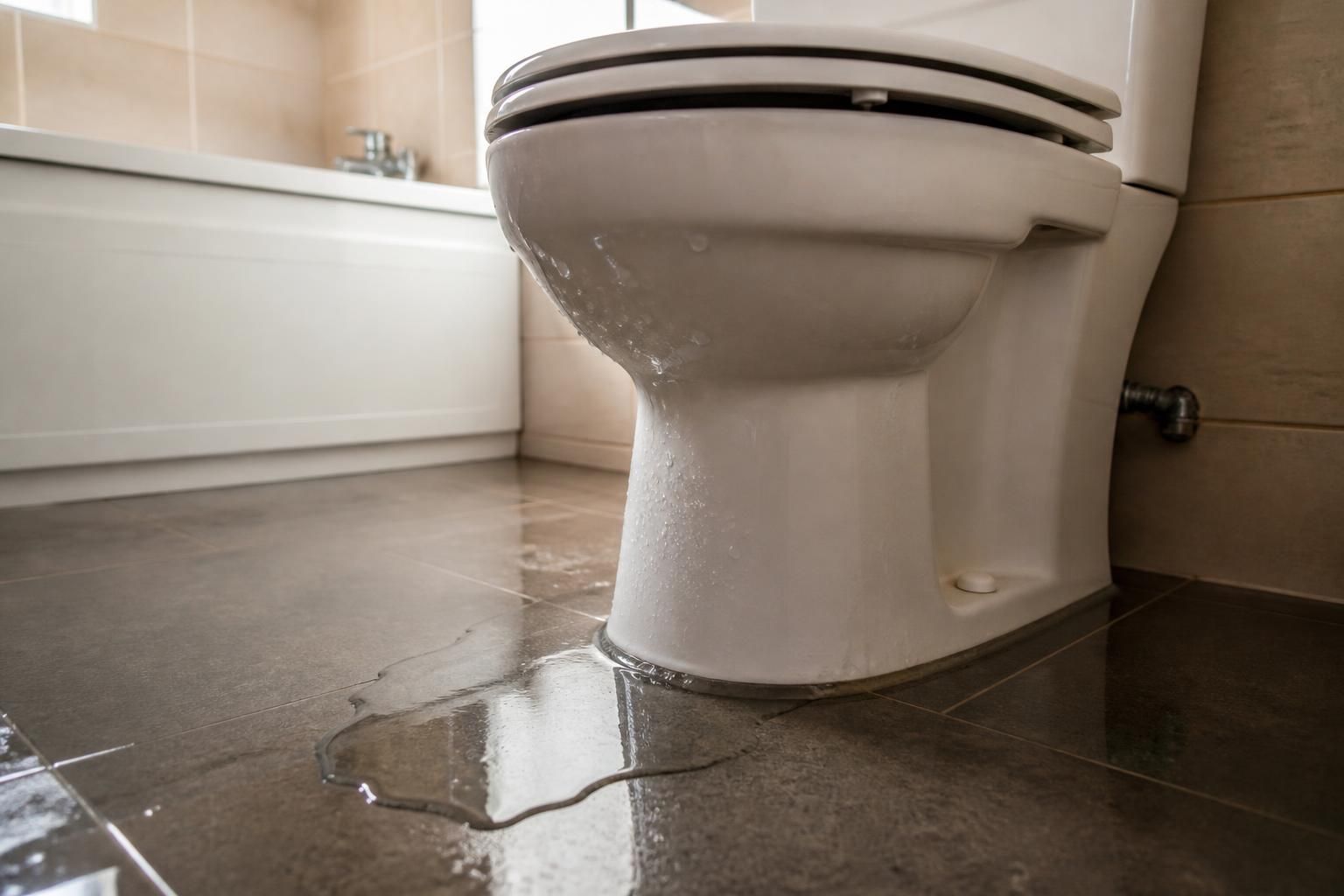
A leaking toilet may reveal itself through changes in water use, bowl behaviour, flushing performance or smells, even when no obvious flow can be seen. The leak may be from the cistern into the pan, from the flush mechanism, through the pan connector or from a failed seal, so checking more than one symptom helps identify the likely source.
- Your water bill increases without a clear reason. A cistern that allows water to pass continuously into the pan can waste water between flushes. If household usage has stayed broadly the same but the bill is higher, the toilet is one of the fixtures worth checking.
- The water level in the bowl changes while the toilet is unused. A gradual fall, repeated movement or ripples on an otherwise still surface can indicate water is escaping through the flush valve or another internal component. Close nearby taps, avoid using the toilet for a short period and observe whether the level changes.
- A simple dye test shows water moving from the cistern into the pan. Place a small amount of food colouring in the cistern without flushing. If coloured water appears in the bowl after several minutes, the flush valve or seal is allowing an internal leak. This test identifies a cistern-to-pan leak, but it will not identify every leak from the supply pipe, pan connector or waste connection.
- The flush handle, button or chain behaves differently. A handle that needs jiggling, a button that sticks, or a chain that does not return properly can prevent the flush valve from closing fully. These faults may cause a concealed internal leak before any external sign develops.
- The toilet moves when gently tested. A pan that rocks or feels loose can place strain on its connection and seal. Do not repeatedly use force to test it, as movement can worsen a failed joint. A loose toilet should be inspected rather than simply tightened without checking the surrounding connections.
- There is a persistent musty or foul smell near the toilet. A musty odour can point to trapped moisture, while a sewage smell may indicate a problem with the pan seal, waste connection or ventilation. Odour alone does not prove that the toilet is leaking, but it warrants investigation, particularly if it becomes stronger after flushing.
- There are signs of moisture in an adjoining area. With an upstairs toilet, a leak can show in the room below or inside a nearby ceiling before the source is visible in the bathroom. A change in ceiling texture, peeling finish or localised deterioration should be treated seriously, especially if it appears after the toilet is flushed.
Some bathroom conditions can be mistaken for a toilet leak. Condensation on a cold cistern is usually caused by humid air and temperature differences, rather than a failed pipe. Gurgling, slow drainage or a rising bowl level may instead indicate a blockage or wider drainage problem. These issues can occur alongside a leak, so unusual symptoms should not be dismissed if they persist.
Start by checking the cistern, flush mechanism, supply connection and waste joint without dismantling anything. If water continues to escape, the toilet is unstable, a connection appears cracked, or sewage may be involved, turn off the toilet’s isolation valve if it can be reached safely and avoid using the fixture. A plumber can then test the individual components, confirm whether the fault is internal or external, and advise whether a repair or replacement part is appropriate.
Ideal Plumbing Services provides expert toilet leak detection and repair for homeowners, landlords and tenants in Birmingham and the wider West Midlands. The inspection can be arranged as part of emergency toilet leak repair or planned maintenance, depending on the nature of the fault.