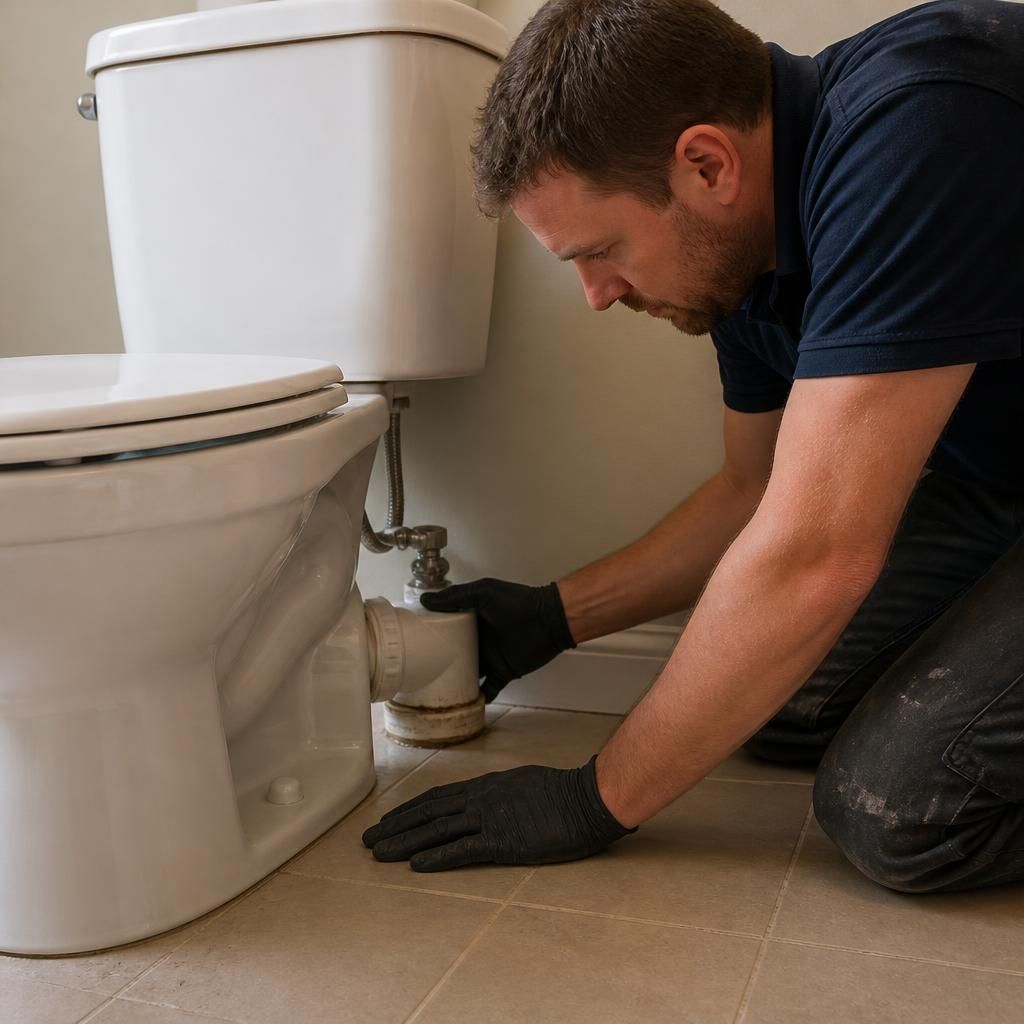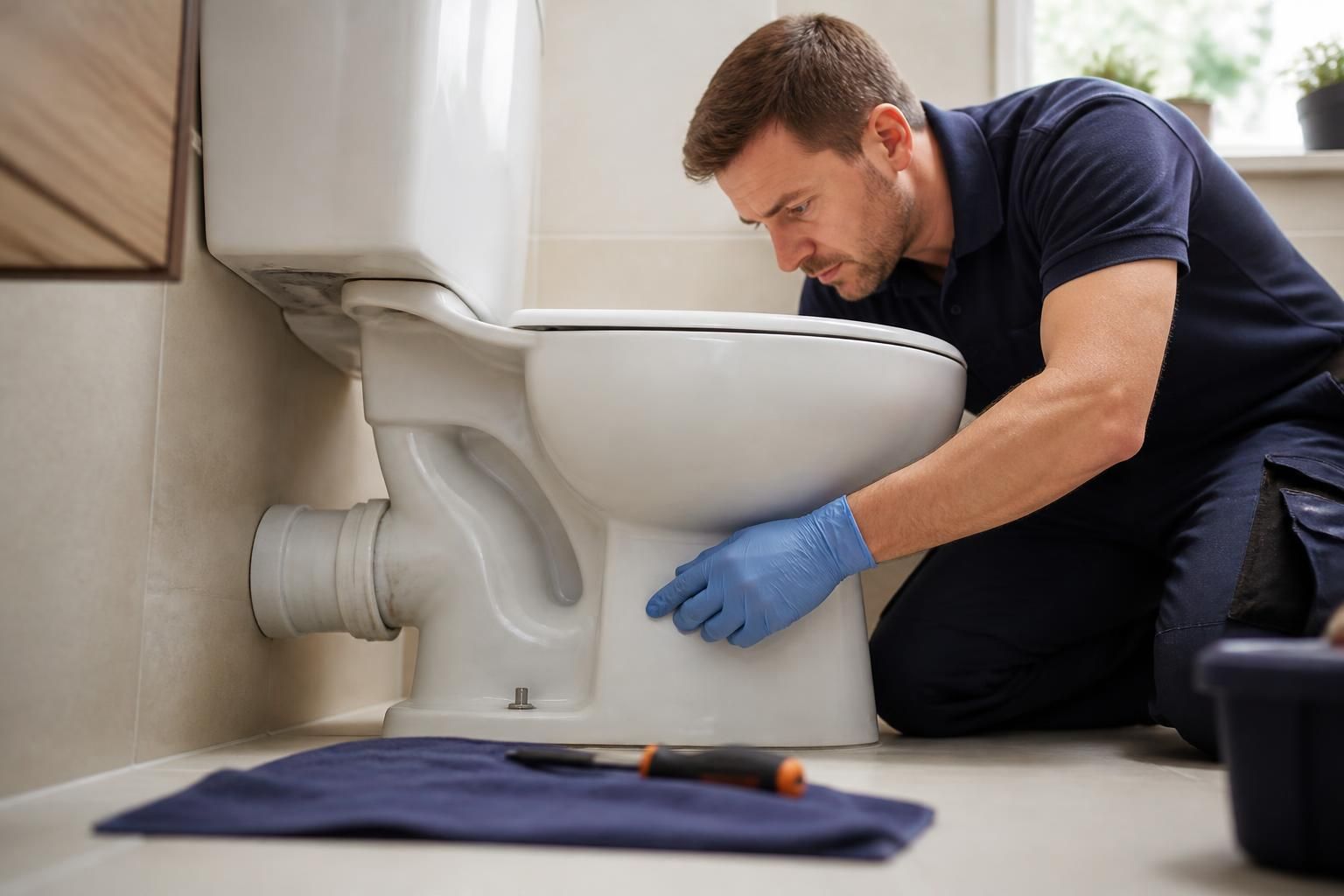
After the source of a toilet leak has been identified, the next step is to decide whether the fault can be corrected with a minor component repair, requires replacement of a larger part, or indicates that the toilet or connected pipework needs more extensive work. The appropriate remedy depends on the location of the leak, the condition of the surrounding fittings and whether the fault has affected the floor or nearby surfaces.
Common repairs following leak detection include replacing a worn cistern seal, inlet valve, flush valve, washer, flexible connector or pan connector. A toilet that leaks between the cistern and pan may need new bolts and seals, while a leak at the base can involve the pan connector or the seal joining the toilet to the drainage connection. If a ceramic cistern or pan is cracked, replacing the damaged section is usually more reliable than applying a temporary sealant.
Before work proceeds, the repair options should be explained clearly, including whether a part can be replaced individually or whether several ageing components would be better renewed together. The condition of the toilet is relevant here: repairing one seal may be suitable for a relatively sound installation, whereas corrosion, repeated faults or brittle fittings can make a wider repair more appropriate. Any parts removed should be checked for wear so that the underlying cause is not overlooked.
A leak can affect areas that are not immediately visible. Moisture may reach flooring beneath the toilet, skirting boards, grout, cupboards or a ceiling below. Damp materials should be allowed to dry properly, and signs such as staining, soft flooring, lifting vinyl, swelling timber or a persistent musty smell should be monitored after the plumbing work. If water has reached electrical equipment, it should not be handled until it has been assessed safely.
Once the repair is complete, the toilet should be operated through several flush and refill cycles while the connections are observed. This helps confirm that:
- the cistern fills to the correct level without continuing to run;
- the flush mechanism closes properly;
- connections remain dry while the toilet is in use;
- the pan and floor do not move under normal use; and
- water drains away without backing up or escaping around the base.
Where the fault was caused by a loose connection, worn seal or poorly adjusted mechanism, correcting the installation may prevent a repeat leak. Practical maintenance includes avoiding excessive force on the flush handle, not using the cistern or pan as a support, checking visible connections occasionally and dealing with a running toilet or damp patch before it develops into a larger problem. Strong chemical drain products should also be used cautiously, as they may damage seals or connected pipework.
If water has been present for some time, repairing the plumbing fault is only part of the work. Damaged flooring or plaster may need separate drying, cleaning or building repairs once the area is dry enough to assess. Keeping a record of the fault, the repair carried out and any remaining signs of moisture can help with follow-up maintenance or a property condition report.