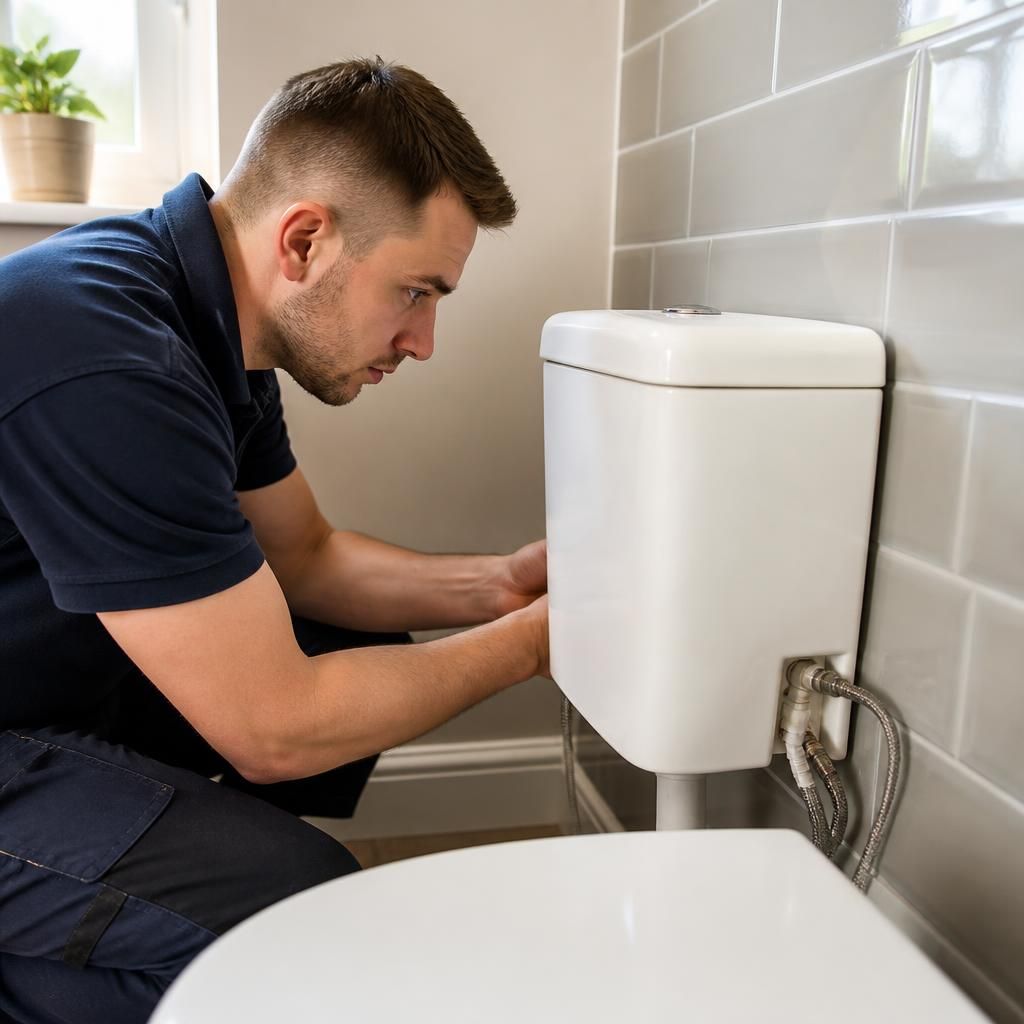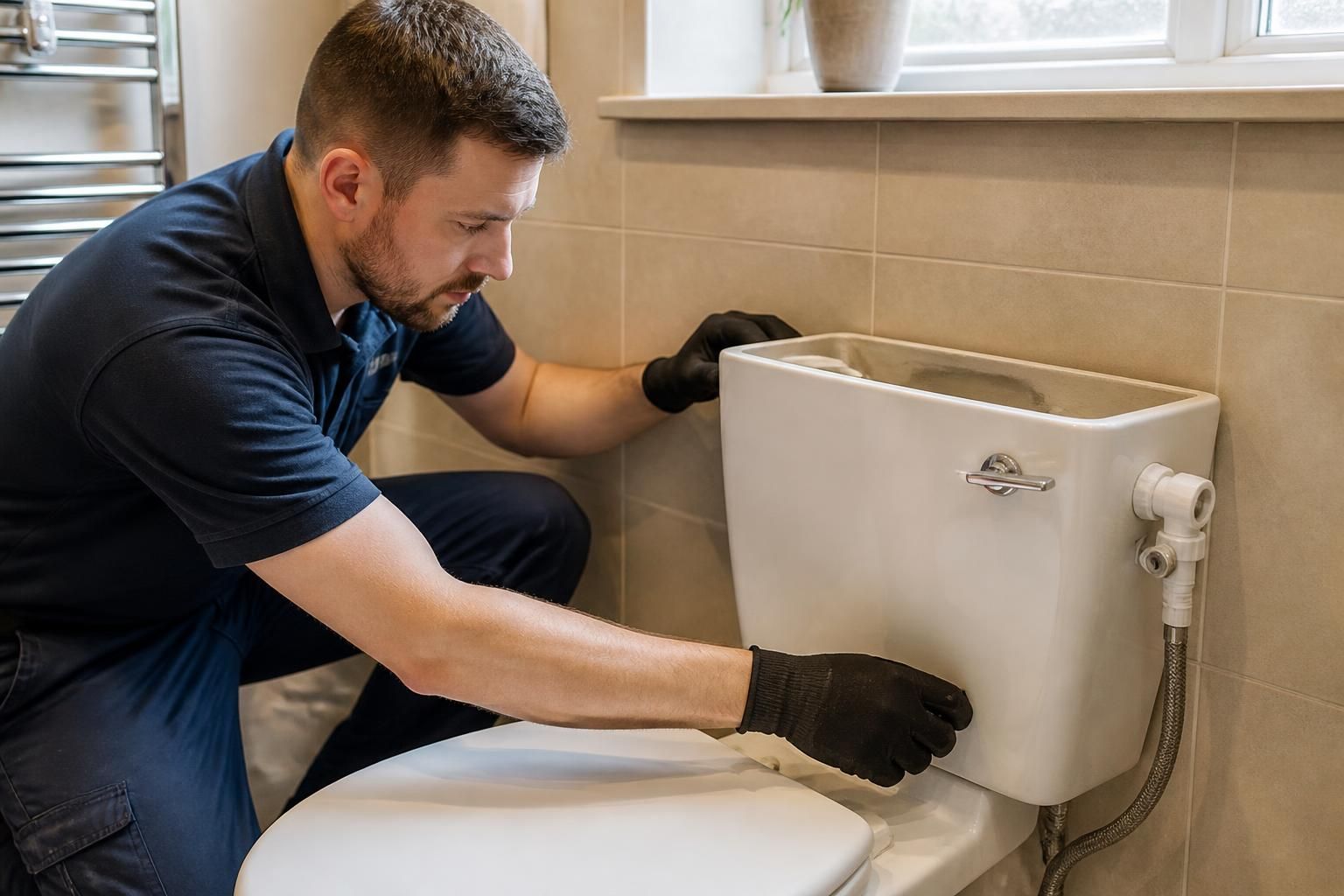
Emergency toilet leak repair is most suitable when postponing professional attention could allow the fault to worsen, restrict the use of the bathroom or affect surrounding fixtures and building materials. It can be appropriate for homeowners, landlords and tenants, provided the person reporting the problem follows the relevant responsibility and access arrangements for the property.
Homeowners may need this service where the problem involves a cistern, flush valve, inlet connection, pan seal, waste connection or a pipe concealed behind the toilet. A visible fitting is not always the source of the fault. Moisture may travel beneath flooring or into an adjoining room, so a repair assessment is useful when the location of the leak is uncertain.
Landlords and property managers can use emergency toilet leak repair when a rented property has an issue that affects the bathroom or risks damage to the building. Arranging an inspection can help establish whether the cause is a failed component, a connection problem or a defect in the surrounding plumbing. It also provides a practical way to decide whether a repair is sufficient or whether further investigation is needed.
Tenants should report the problem to their landlord or managing agent as soon as they become aware of it, particularly where the plumbing is part of the rented property. If the tenancy arrangements permit the tenant to contact a plumber directly, the repair can be assessed without waiting for a routine maintenance visit. Tenants should avoid dismantling the toilet or attempting work on concealed pipework, as this may make the fault harder to identify and increase the risk of further damage.
Emergency repair is also suitable for properties where the toilet is difficult to isolate, where the affected bathroom is the only usable one, or where water is appearing in an adjacent room, ceiling or cupboard. These circumstances do not necessarily identify the failed part, but they indicate that the issue needs a plumbing assessment rather than a cosmetic clean-up.
A professional inspection may be appropriate even when the leak appears minor. Small faults can arise from worn seals, loose connections, cracked fittings or drainage joints, and the correct remedy depends on the component involved. The plumber should establish the source, check related connections and explain whether the work involves adjustment, replacement of a part or repair of the surrounding pipework.
- Choose emergency repair when the toilet cannot be safely or practically used, the fault is affecting other parts of the property, or the cause cannot be controlled by straightforward isolation.
- Arrange planned maintenance when the issue is limited, contained and does not affect the safe use of the bathroom, provided it is not worsening.
- Seek assessment before attempting a DIY repair when the leak is concealed, the toilet is fixed to the floor, or water is entering flooring, walls or ceilings.
Ideal Plumbing Services provides toilet leak assessment and repair for residential customers in Birmingham and the wider West Midlands. The service is therefore relevant to people who need the cause identified as well as the immediate plumbing fault addressed, rather than simply having visible water removed.