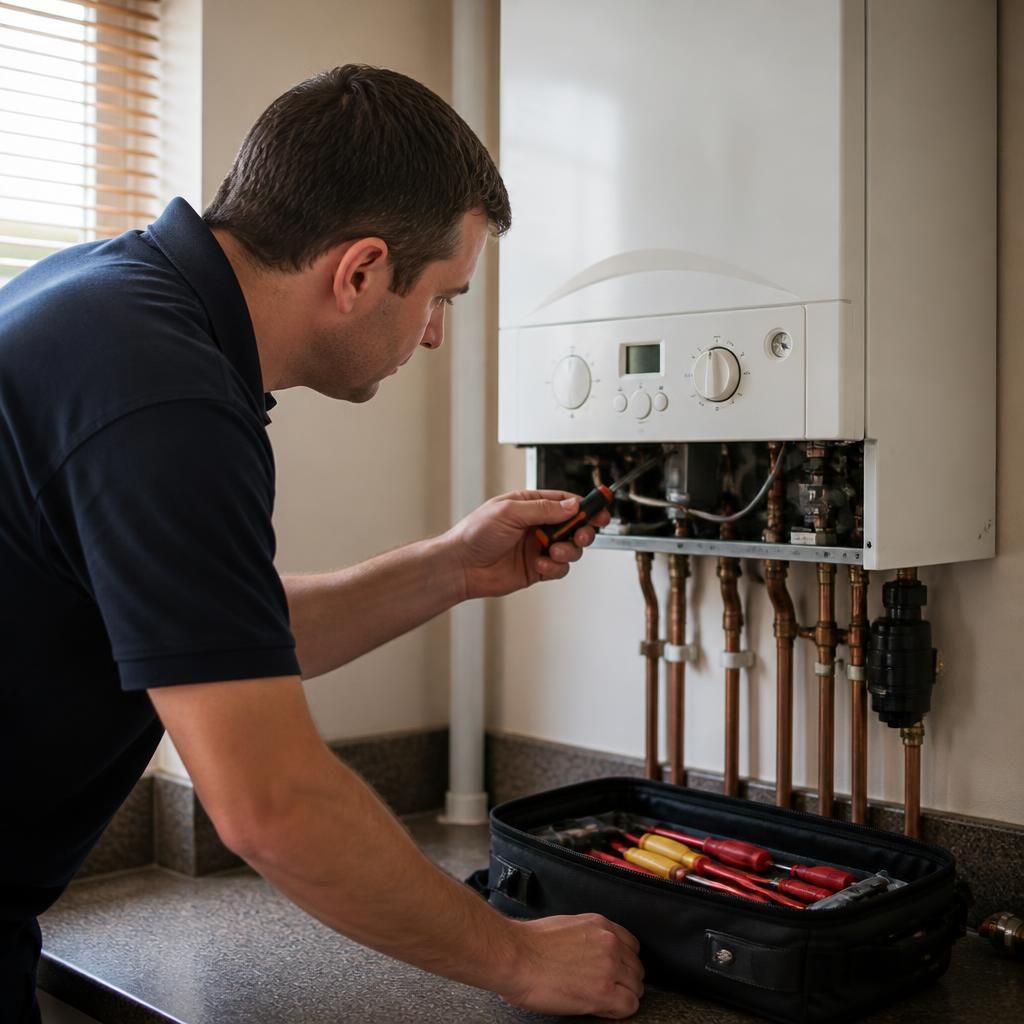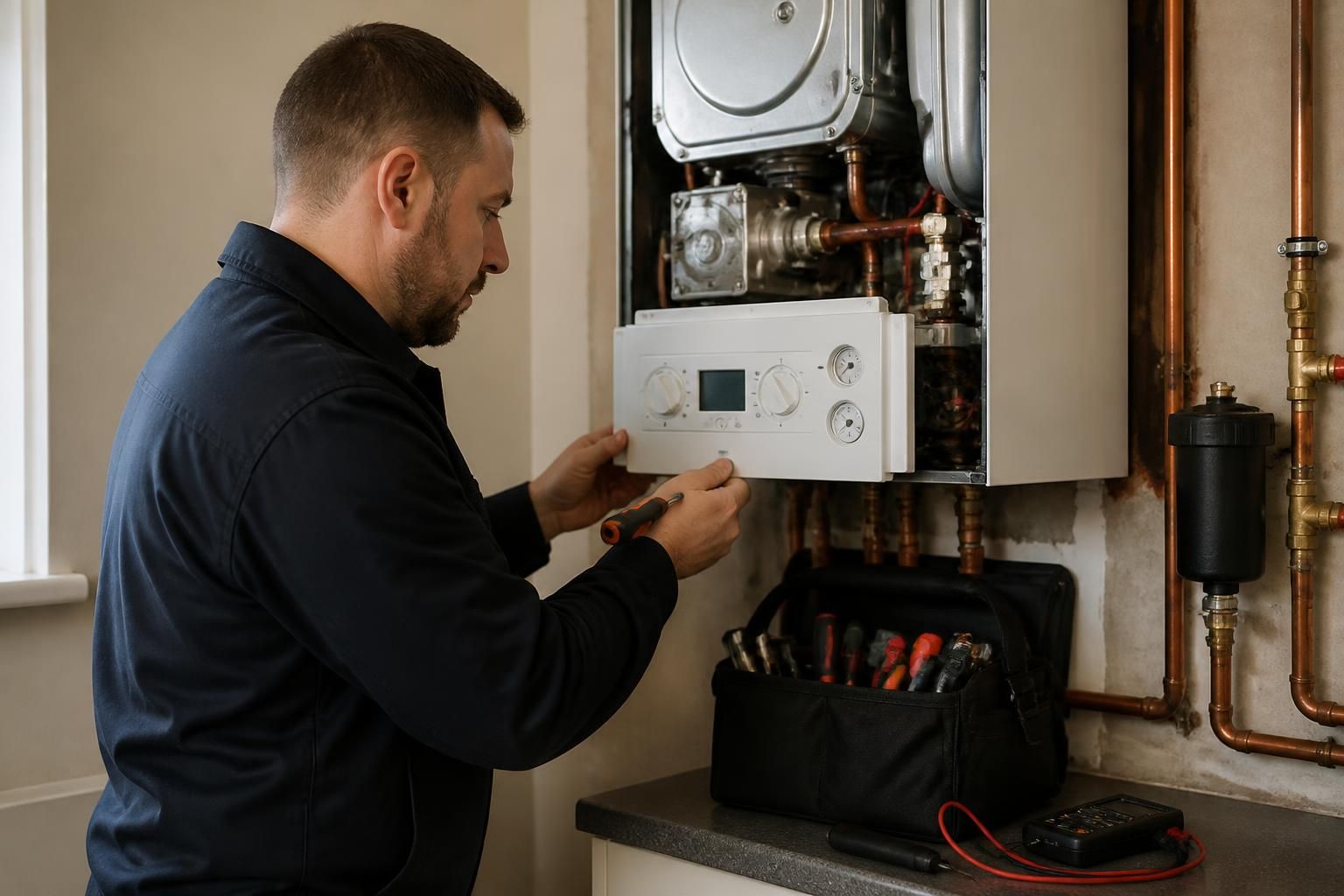
An emergency heater repair is normally a targeted job rather than a major household disruption. The practical impact depends on whether the fault can be corrected in place, whether the system must remain isolated while parts are obtained, and whether access to the heater or surrounding pipework is restricted.
What usually causes the disruption
- Loss of heating: Rooms may become colder while the appliance is switched off or isolated. If the heater also provides hot water, hot water may be affected until the repair is complete.
- Access requirements: The engineer may need clear access to the appliance, controls, nearby pipework and electrical connections. A cupboard, boxing or removable panel may need to be opened.
- System drainage: Some repairs require part of the heating system to be drained. This can involve placing protective coverings around the work area and carefully refilling the system afterwards.
- Replacement parts: A common fault may be dealt with during the initial repair visit, but an unusual or failed component can mean the system remains unavailable until the correct part is sourced.
- Additional fault-finding: If the original symptom is caused by more than one problem, further checks may be needed before the heater can be safely returned to service.
How long will the work take?
There is no fixed duration for an emergency heater repair. A simple adjustment, reset or replacement of an accessible component generally creates less disruption than work involving drained pipework, concealed connections or extensive electrical fault-finding. The engineer should be able to explain the likely scope once the fault has been assessed, including whether the repair can be completed at that point or requires a further visit.
Will the property need to be emptied?
Usually, no. Occupants can generally remain in the property, although the room containing the heater may need to be kept clear while work is carried out. Pets and children should be kept away from the work area, particularly where tools, hot surfaces, exposed connections or removed covers are present.
For safety, do not use a heater that is leaking, producing unusual fumes, repeatedly losing pressure or showing signs of electrical damage. If a gas appliance is suspected to be unsafe, avoid operating it and follow appropriate gas-safety advice. Do not remove appliance covers or attempt to bypass a safety control to restore heating.
What happens after the repair?
Before finishing, the engineer should check that the repaired equipment operates correctly and that relevant connections are secure. Depending on the work, this may include checking system pressure, controls, temperature, leaks and safe combustion or electrical operation. The heating may need time to circulate and stabilise, so normal performance should be assessed after the system has been returned to service.
To reduce delays and unnecessary disturbance, clear the area around the heater, have information about the fault available and mention any previous warning messages or recent changes to the system. A precise description can help focus the inspection, although it does not replace testing by a qualified professional.
In summary, most disruption is confined to the heater, the room around it and any connected heating circuits that must be isolated. The main variables are the fault's complexity, access, the need for replacement parts and whether the appliance can be safely repaired without wider system work.