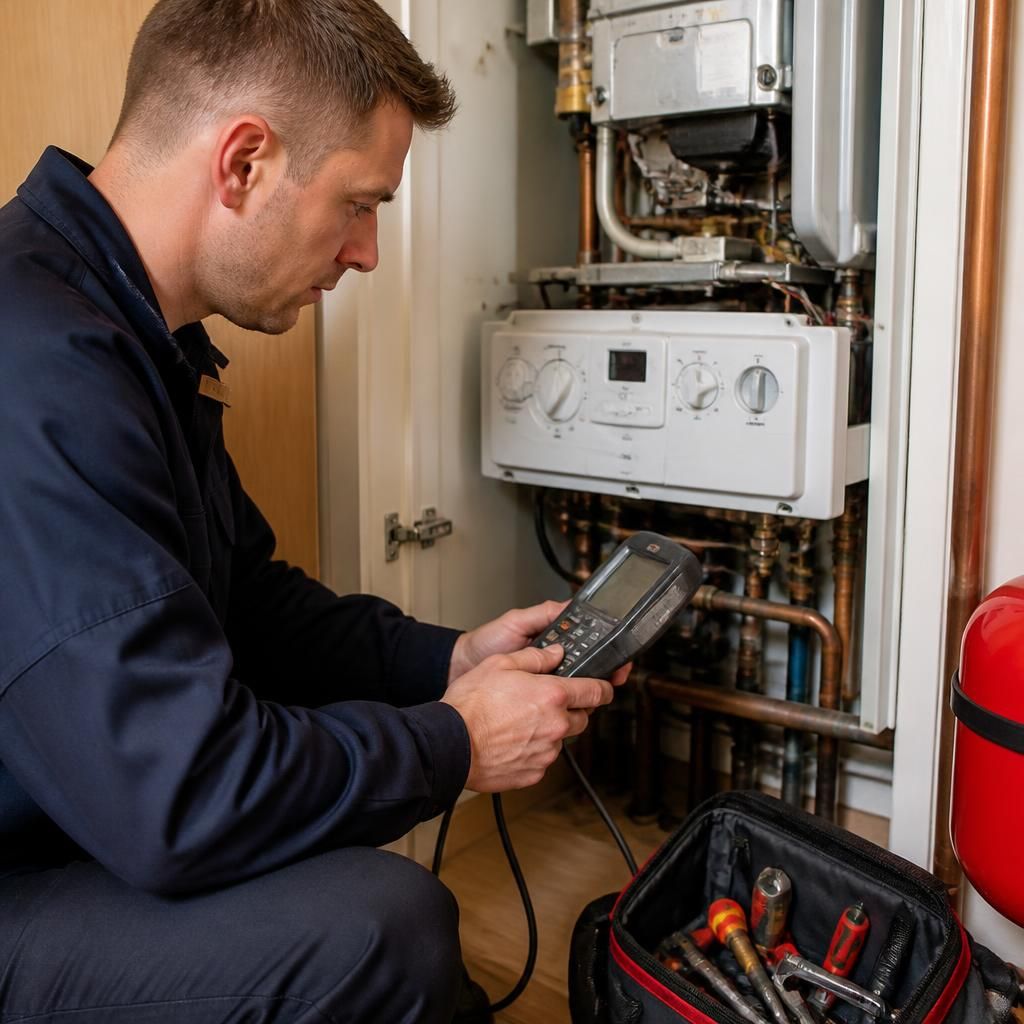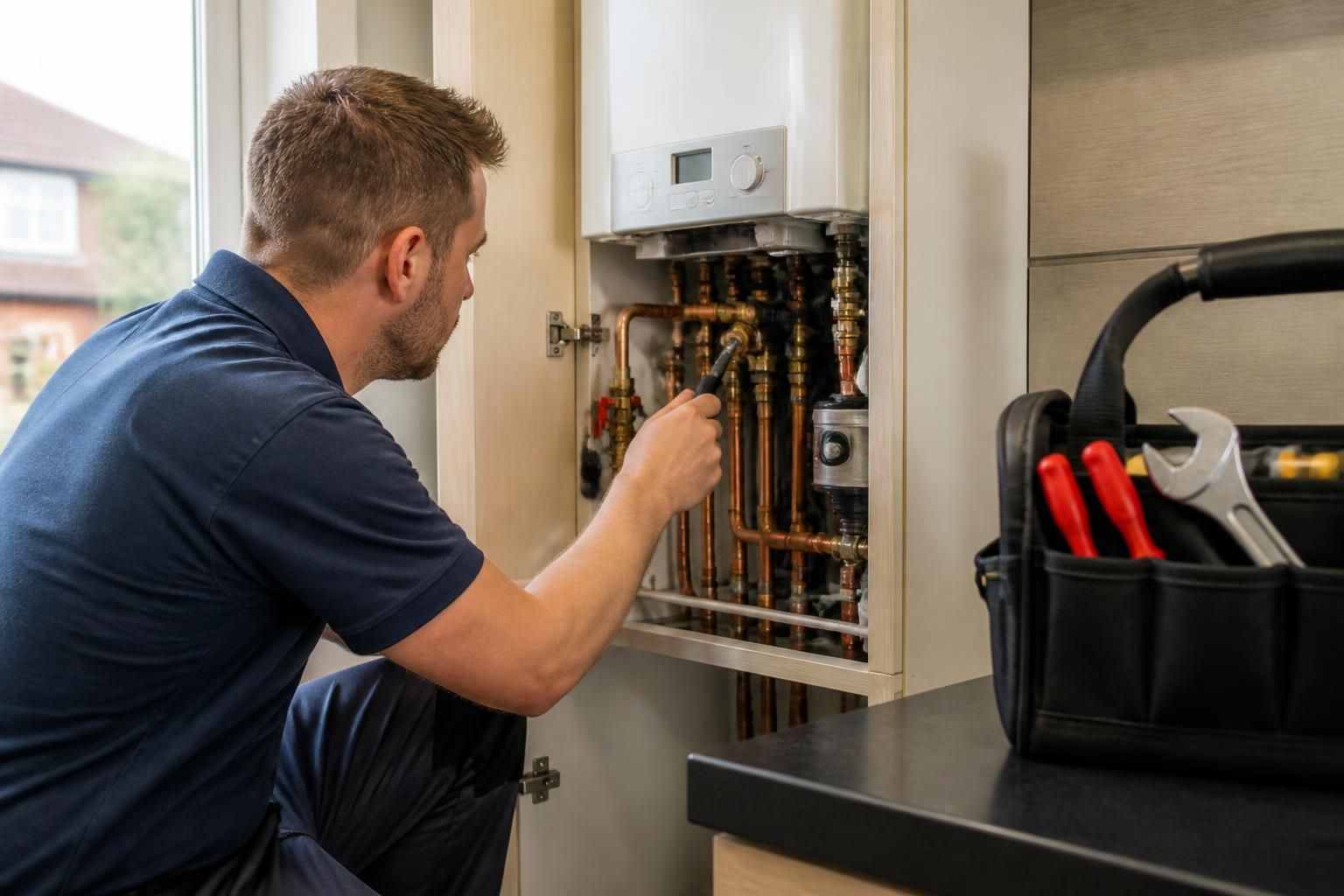
There is no single fixed price for an emergency heater fix in Birmingham. The final cost is normally based on the work required to make the appliance safe and functional, including the engineer’s labour, replacement components, access to the fault and any testing needed after the repair. A proper inspection should take place before a firm price is given.
What the price usually includes
An emergency heater repair charge may be made up of several elements:
- Assessment and diagnosis: The engineer identifies the fault, checks related controls and considers whether another part of the heating system has contributed to the problem.
- Labour: The total depends on the time needed to isolate the issue, remove faulty components, complete the repair and test the appliance.
- Parts: A simple replacement component may have a different cost from a specialist or larger assembly. The exact part also depends on the heater and its configuration.
- Additional work: Corrosion, restricted access, damaged wiring, leaks or related system faults can make the repair more involved than the initial symptoms suggest.
Why two similar heater faults can cost different amounts
A heater that will not start may have a problem with its controls, electrical supply, thermostat, ignition system, pump or another internal component. These faults can produce similar symptoms but require different procedures and parts. An appliance that is accessible and needs one straightforward adjustment will generally involve less work than one that needs dismantling, several tests or replacement of a major component.
The type and age of the heating appliance can also affect the quotation. Parts may be easier to identify for a common, supported system, while an older appliance may require more investigation. If a suitable replacement component is no longer available, the engineer should explain the practical options rather than carrying out unnecessary work.
Repair or replacement?
An emergency fix does not automatically mean that the whole boiler or heater needs replacing. Repair may be appropriate where the appliance is otherwise in sound condition and the fault can be corrected safely. Replacement may be discussed if the unit has extensive damage, repeated failures, obsolete components or a repair cost that is disproportionate to its condition. The decision should take account of the appliance’s age, reliability, safety and likely future maintenance, not just the immediate symptom.
Ask whether the proposed price covers the diagnosis, labour, parts, testing and removal of any replaced component. It is also sensible to clarify whether further work would require approval before it is started. This helps distinguish an initial assessment from the complete cost of putting the heating back into service.
Questions to ask before approving the work
- What fault has been identified, and what evidence supports the diagnosis?
- Which part or parts need attention?
- Does the quoted amount include labour, materials and testing?
- Could the repair reveal a related fault once the appliance is opened?
- Is the repair expected to restore normal operation, or are further issues likely?
- Would replacement be more appropriate, and why?
Do not use a heater that smells of gas, shows signs of scorching, leaks water near electrical components or repeatedly trips the electrical supply. Turn the appliance off if it is safe to do so and seek professional advice. A carbon monoxide alarm sounding, or suspected carbon monoxide, should be treated as a serious safety issue.
Ideal Plumbing Services provides residential heating and plumbing repairs for homeowners, landlords and tenants in Birmingham and the wider West Midlands. Its approach is to diagnose the fault, explain the available repair options and provide clear pricing before agreed work proceeds, with no hidden charges.