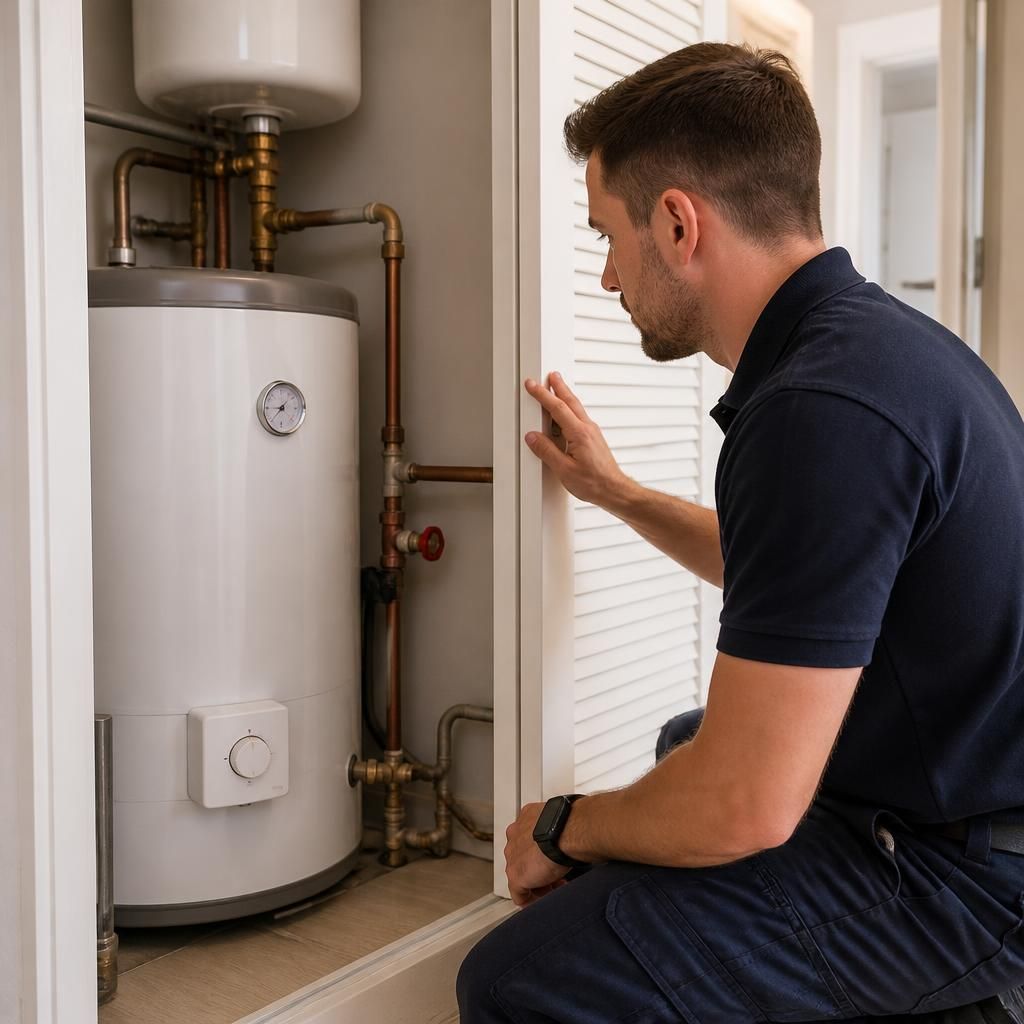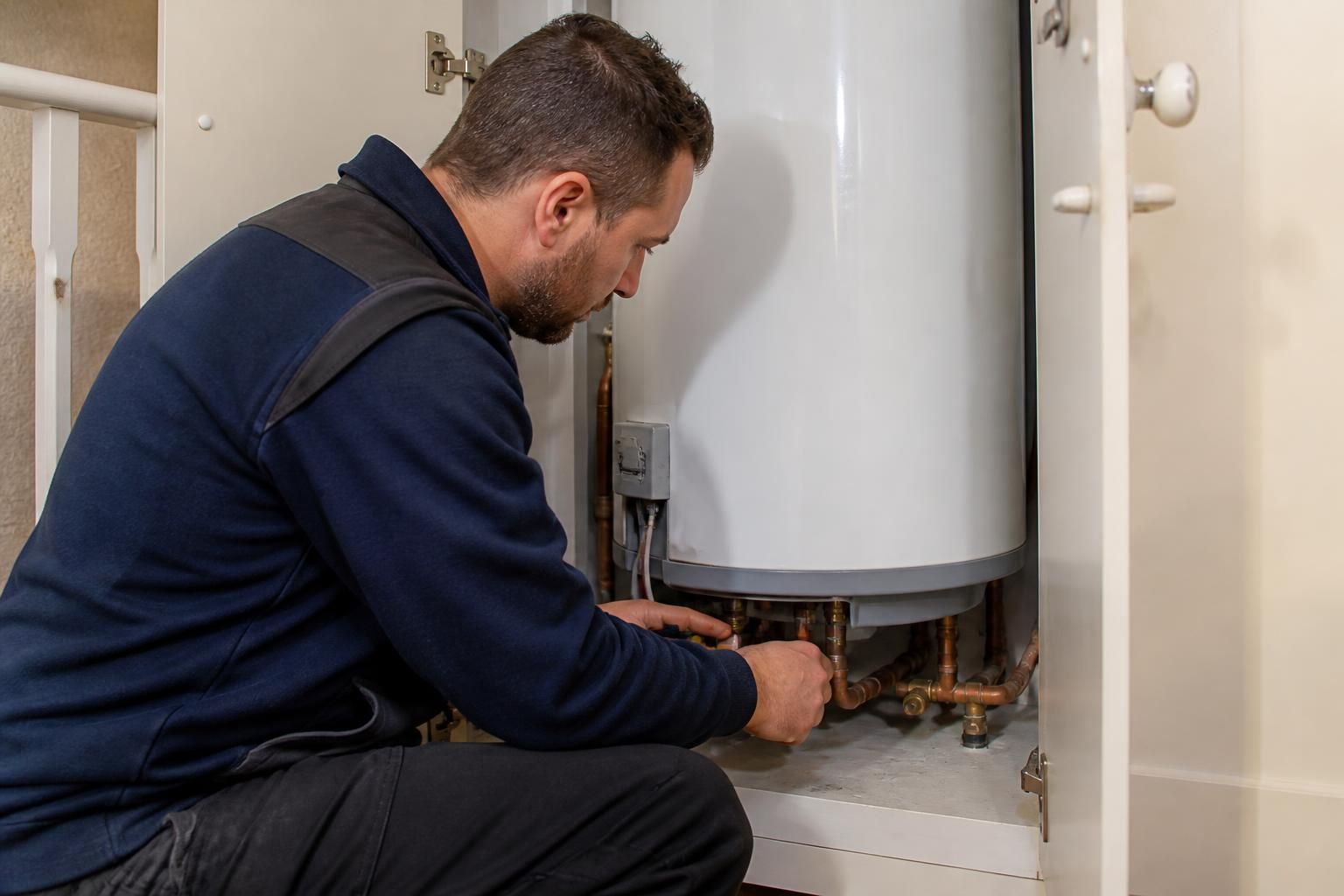
In a rented property, water-heater repair is normally arranged through the landlord or managing agent and should be handled by a suitably qualified professional. The tenancy agreement may set out the reporting process, but it does not make it appropriate for a tenant to dismantle, disconnect or modify the appliance without permission.
The correct process usually starts with a written report describing the problem, when it began and whether it is affecting hot water, heating or other fixtures. Photographs of visible leaks, error displays or damaged pipework can help the landlord assess the issue and provide useful information to the plumber. Keep copies of messages, inspection notes and invoices in case there is later a disagreement about the condition of the property or responsibility for damage.
Some faults require particular safety controls:
- Gas water heaters: work involving the gas appliance or its flue must be undertaken by an appropriately registered gas engineer. A landlord should also keep the required gas safety records for appliances within the property.
- Electrical water heaters: repairs may involve both plumbing and electrical hazards, so the engineer must be competent to deal with the relevant part of the installation.
- Leaking cylinders, tanks or connections: the water supply may need to be isolated before inspection to limit damage to flooring, units, ceilings or adjoining rooms.
- Possible carbon monoxide or combustion problems: stop using the appliance, avoid interfering with it and follow appropriate gas-safety guidance if fumes, soot or unusual combustion is suspected.
Access arrangements should be agreed in advance wherever possible. A landlord or contractor will generally need the tenant to provide reasonable access for inspection and repair, while the tenant can ask for the appointment details and clarify which rooms or cupboards need to be entered. Do not obstruct essential work, but report any practical access issue promptly so that another arrangement can be considered.
Responsibility for the cost can depend on the cause of the fault. A failure caused by age, ordinary wear or an installation defect will usually be treated differently from damage caused by misuse, unauthorised alterations or failure to report a developing leak. Tenants should not automatically authorise costly replacement work or withhold rent to recover a repair expense unless they have obtained appropriate advice and followed the correct legal process.
Repair rather than replacement may be suitable when the fault is confined to a valve, thermostat, element, seal, electrical control or pipe connection. Replacement may be considered where the cylinder or appliance is corroded, unsafe, beyond economical repair or no longer suitable for the property. The engineer should explain the fault, the recommended remedy and any limitations before work proceeds.
If a landlord or agent does not address a significant loss of hot water, an active leak or a safety concern, the tenant should escalate the matter in writing and retain evidence of the reports made. Depending on the circumstances, further routes can include the local council’s housing or environmental health team, a letting agent’s complaints procedure or an applicable property redress scheme. Tenants should seek independent housing advice before taking action that could affect their tenancy.
Ideal Plumbing Services provides water-heater inspections and repairs for residential properties in Birmingham and across the wider West Midlands. When arranging a visit, the tenant or agent should confirm the appliance type, symptoms, property access arrangements and who has authority to approve the work.