There is no single water heater repair price because the total depends on the nature of the fault, the heater type and the work required to restore safe operation. The most reliable way to establish the cost is to have the system assessed and receive an itemised quotation before repair work begins.
What usually makes up the cost?
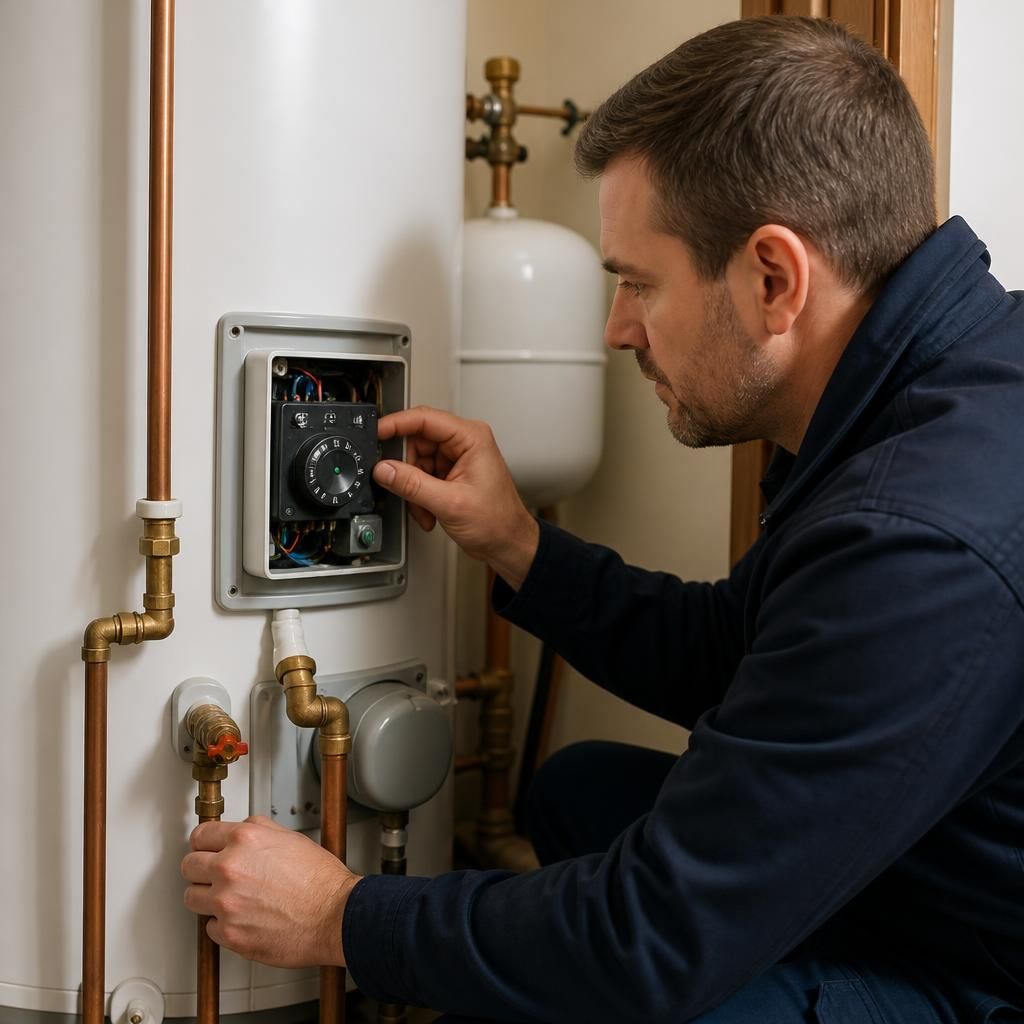
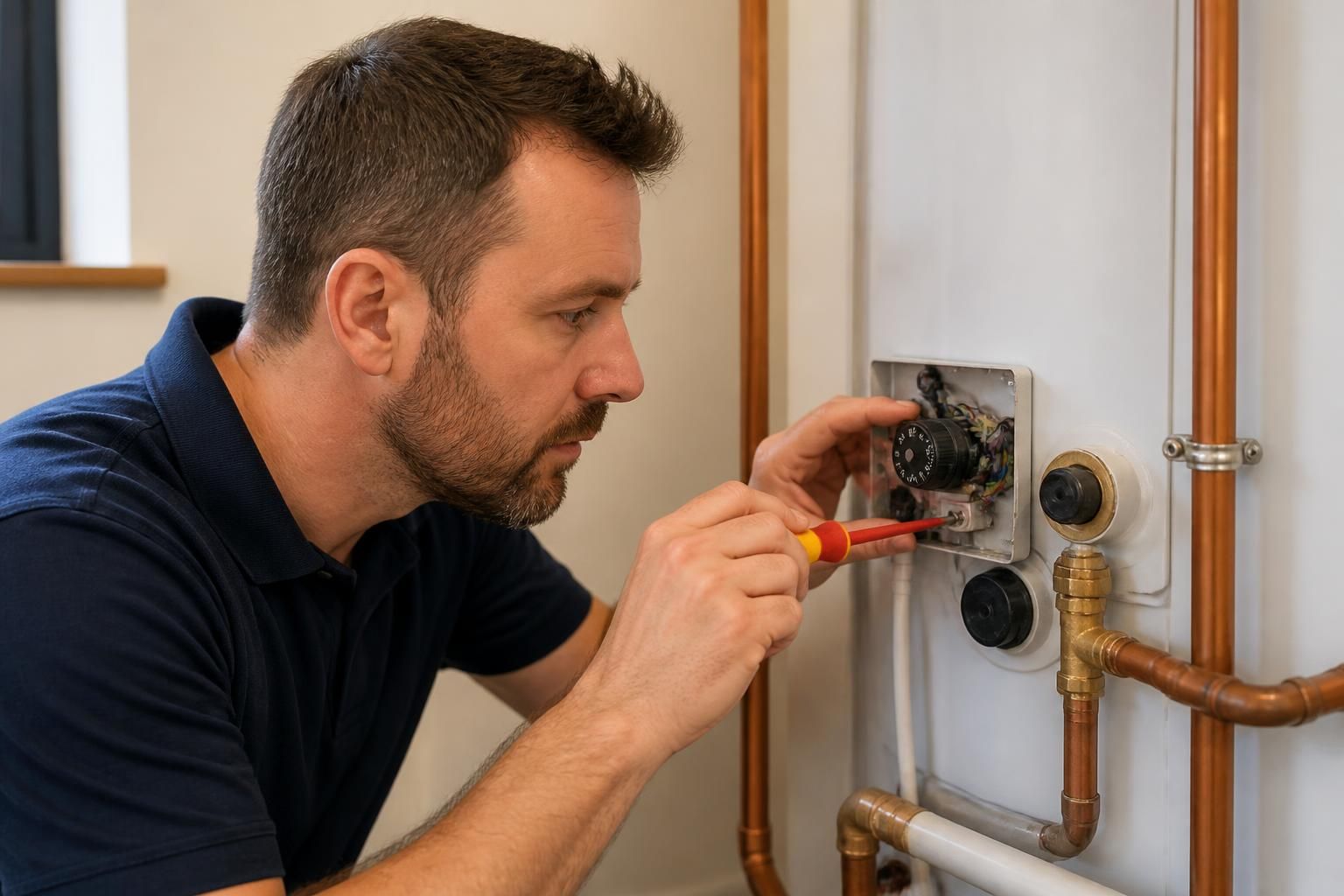
- Inspection and diagnosis: The engineer may need to test electrical connections, thermostats, controls, valves, pipework and the cylinder or tank before identifying the failed component.
- Labour: The time needed depends on how accessible the heater is, how much dismantling is required and whether testing is needed after the repair.
- Replacement parts: Common examples include thermostats, heating elements, valves, seals, electrical components and pipe fittings. The correct part must be compatible with the existing system.
- Additional work: Corroded connections, seized valves, damaged pipework or a difficult installation location can increase the work involved.
- Removal and disposal: If a component or complete unit is removed, ask whether disposal is included in the quotation.
Typical faults that affect the price
A heater that is not producing hot water may have a failed heating element, thermostat, electrical supply or control. If water is too hot, the thermostat or safety controls may require attention. Noisy operation can be linked to scale, sediment or a failing component, while a leak may come from a valve, joint, seal, cylinder or tank. These symptoms can appear similar, so replacing a part without testing the system may not resolve the underlying problem.
Water escaping from the body of a cylinder or tank is generally more serious than a leaking connection. In some cases, a repair is possible; in others, corrosion or structural damage means replacement is more appropriate. A leaking valve, fitting or accessible connection may involve less work, but the surrounding pipework still needs to be checked for damage.
Repair or replacement?
Repair is often considered where the main unit is sound and the fault is limited to a replaceable component. Replacement may be more practical where the heater has extensive corrosion, repeated faults, obsolete components, poor condition or damage that affects the vessel itself. The comparison should include the repair cost, the condition of the remaining components and the likelihood of further work, rather than focusing only on the immediate price.
A professional assessment should explain why repair or replacement is being recommended. If replacement is proposed, the quotation should set out the equipment, installation work, connections, testing and removal of the old unit separately where possible.
Questions to ask before approving the work
- Is there an assessment or call-out charge, and is it included in the quoted repair?
- Which component has failed, and what evidence supports that diagnosis?
- Does the price include labour, parts, testing and disposal?
- Could further faults be found once the unit is opened or drained?
- Will any required electrical, plumbing or safety checks be carried out?
- Is the quoted amount fixed, or could it change if additional work is needed?
A written quotation with these details makes it easier to compare like-for-like prices and reduces the risk of unexpected charges. If the heater is leaking heavily, has exposed electrical components or is producing a burning smell, switch it off if it is safe to do so and arrange a qualified inspection rather than continuing to use it.
Ideal Plumbing Services assesses water heater faults and explains the available repair options for homeowners, landlords and tenants in Birmingham and the wider West Midlands. The final cost can be confirmed once the heater, fault and required work have been properly examined.