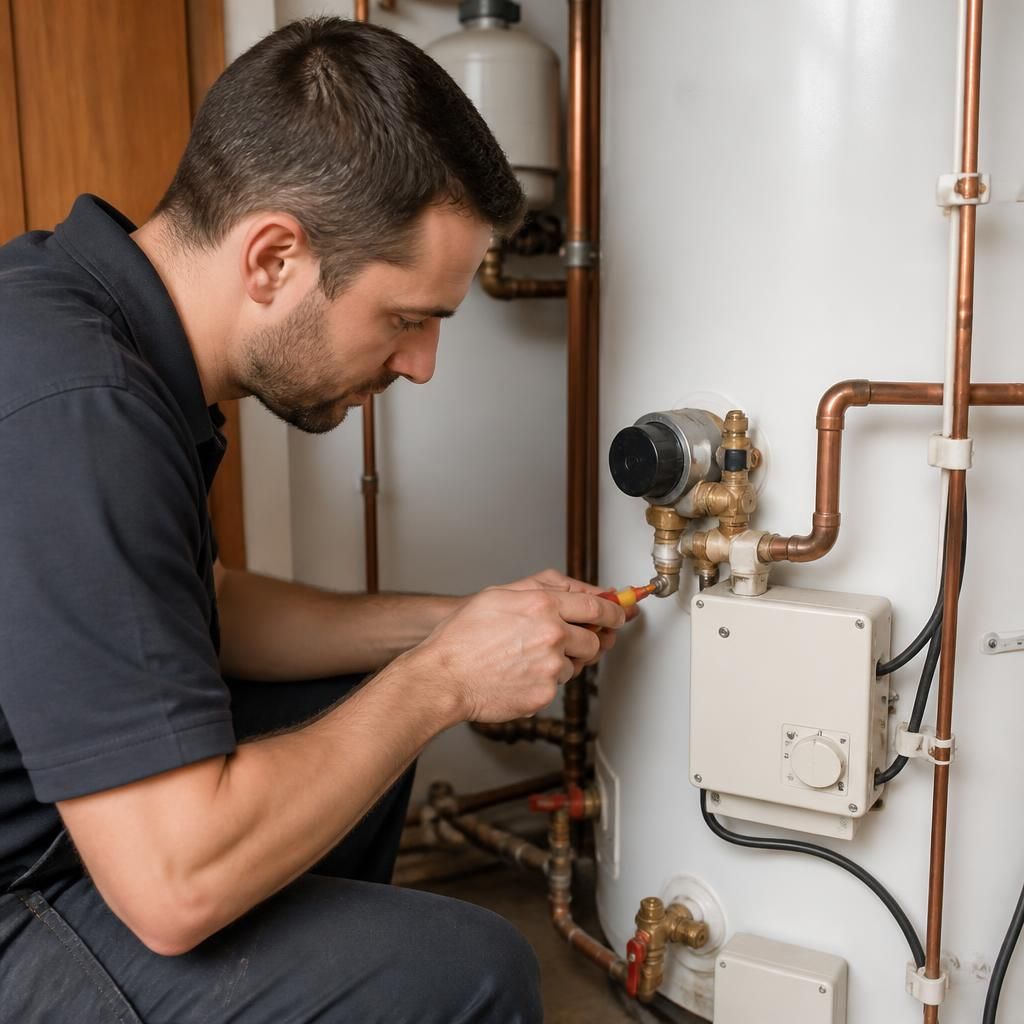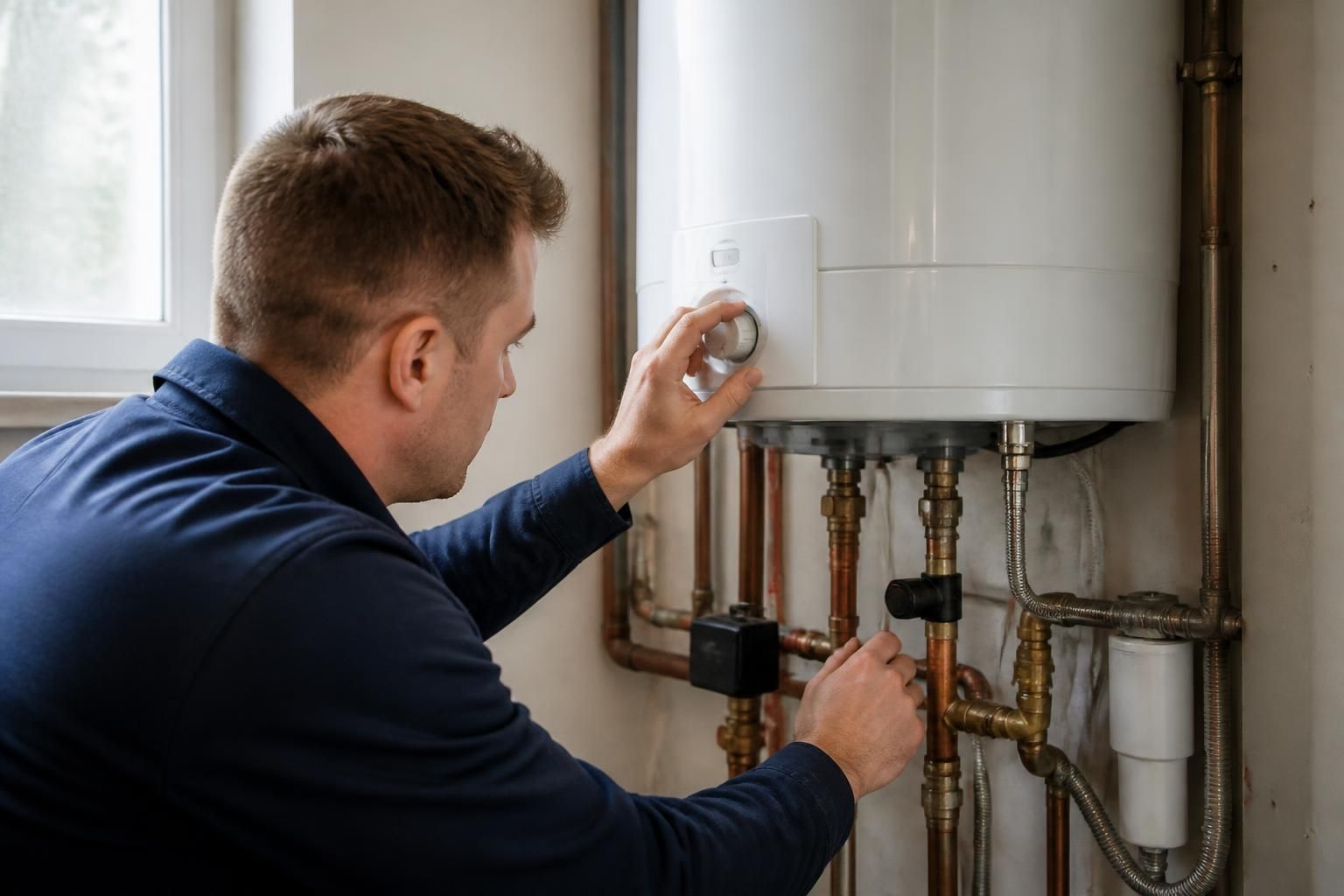
Water heater repair is generally less disruptive than replacing the whole unit, but the practical impact varies according to the fault and how accessible the heater is. A straightforward component repair may require only a small working area, while a concealed leak, damaged connection or fault inside a cupboard can involve more preparation and follow-up work.
The first stage is usually a diagnosis. The engineer needs to identify whether the problem relates to the water connections, heating element, thermostat, controls, pressure, insulation or the cylinder itself. This may involve removing an access panel, checking nearby pipework and examining signs of corrosion or water damage. Diagnosis can take longer where the original symptom is intermittent or where a leak has travelled away from its source.
Most of the disruption comes from access rather than from the repair itself. You may need to clear items from around the heater, empty a cupboard or provide access to a loft, airing cupboard, utility room or service panel. If the unit is behind fitted furniture or boxed-in pipework, gaining safe access can make the job more involved. Do not remove panels or disconnect equipment yourself unless you have been advised that it is safe to do so.
During the work, expect some practical disturbance such as tools, pipe fittings and protective coverings in the immediate area. A small repair normally affects one room or part of the property. A fault involving concealed pipework, damaged flooring or water that has reached surrounding materials may require additional inspection and drying before the area can be restored fully.
The repair may be completed during the initial visit when the fault is clear and the required part is available. If a specialist component is needed, the heater may need to remain out of use until that part is obtained and fitted. An engineer should explain what remains operational, what must stay isolated and whether any temporary measures are appropriate.
Repair and replacement have different disruption profiles:
- Component repair: usually involves limited work around the heater and preserves the existing installation.
- Pipework repair: may require access along walls, floors or behind panels, depending on where the failed connection is located.
- Electrical or control fault: may require checks to the supply and controls before the water heater is returned to service.
- Corrosion or structural damage: can indicate that repairing one part will not resolve the underlying problem, making replacement a more extensive option.
To reduce inconvenience, clear the work area before the appointment, keep valuable or moisture-sensitive items away from the heater and identify any signs of staining, dampness or previous leakage. If the heater is in a rented property, arrange access with the landlord or managing agent and report any damage promptly. Where the unit is in a shared or restricted area, make sure the engineer can reach it without moving heavy belongings.
After the repair, the installation should be checked for leaks and safe operation. The area may need to be monitored for renewed dampness, unusual sounds, changes in water temperature or pressure. If water is collecting, electrical components appear wet or the heater shows signs of overheating, stop using it and seek qualified plumbing or heating assistance rather than attempting an internal repair.
For homeowners in Birmingham and the West Midlands, Ideal Plumbing Services can assess water heater faults and explain the likely scope of work before repair begins. The main factors affecting disruption are the fault itself, access, any surrounding water damage and whether a replacement part is required.