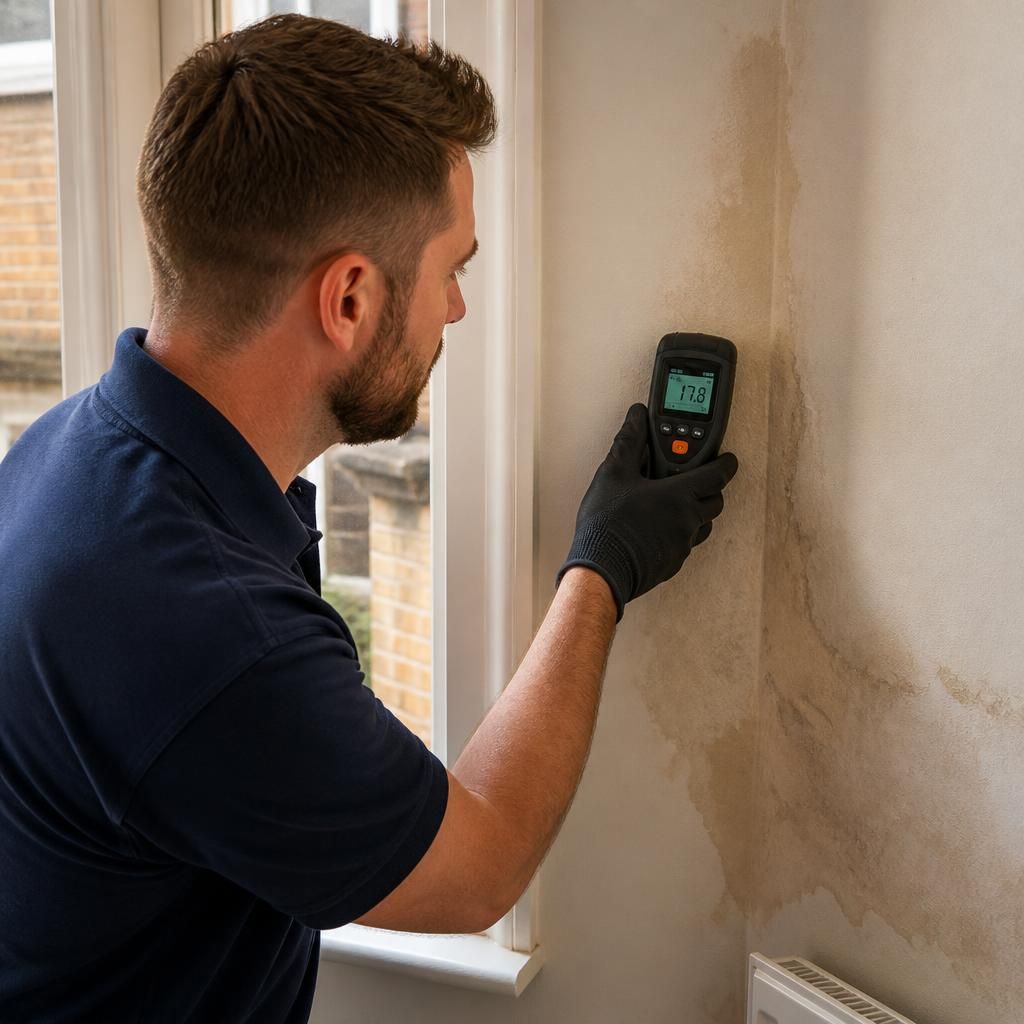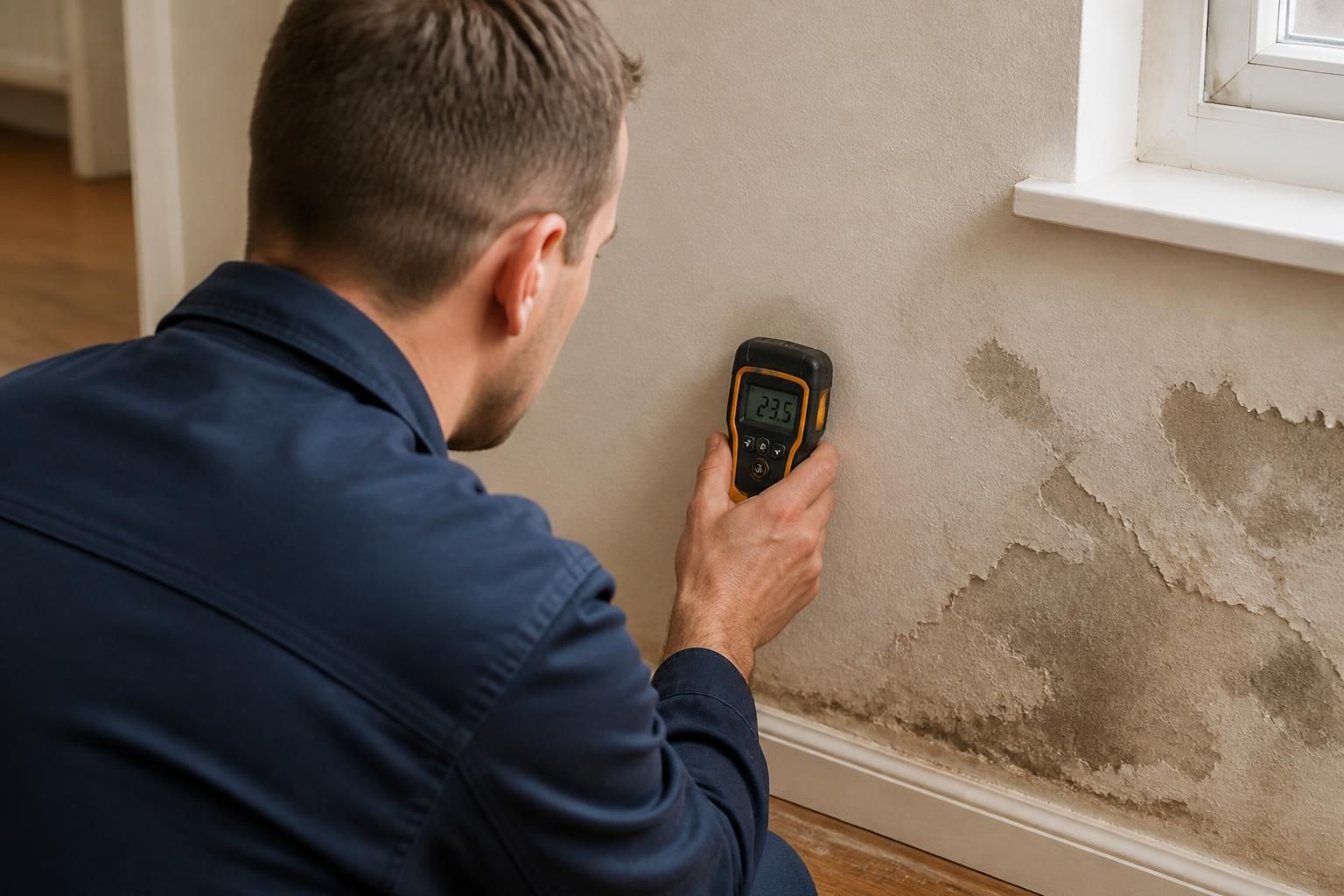
The cost of wall leak detection is usually based on the diagnostic work required rather than a standard price for each wall. A professional charge may cover the engineer’s visit, investigation, use of specialist equipment, findings and any written report, while repairs, replacement materials and making good are normally priced separately.
When comparing prices, check exactly what is included. A lower initial figure may cover an inspection only, whereas another quote may include moisture readings, tracing the likely route of the water, a more detailed report and recommendations for the next stage. Ask whether the price includes:
- the diagnostic visit and labour;
- moisture testing or other non-invasive checks;
- thermal imaging, acoustic investigation or other specialist techniques where appropriate;
- identifying the suspected source and explaining the findings;
- a written report or photographs; and
- VAT, if applicable.
The extent of the investigation can also affect the final charge. For example, a straightforward inspection may establish that water is entering from a visible plumbing connection. A more involved investigation may be needed where moisture has travelled through plasterboard, flooring or masonry and the visible damp mark is some distance from the source. In that situation, the purpose of detection is to narrow down the fault before walls or fittings are opened unnecessarily.
Detection and repair are separate parts of the work. Wall leak detection identifies evidence of moisture and helps locate the probable source; it does not automatically include repairing a pipe, replacing a valve, removing damaged plaster or redecorating. A clear quotation should distinguish the diagnostic charge from any subsequent plumbing, building or finishing work. This makes it easier to decide whether to proceed with the repair immediately or obtain a separate estimate.
Prices can also differ according to the type of property and the information available before the visit. A property with accessible plumbing plans, a visible damp area and a known history of the problem may require a different investigation from one where the leak is intermittent or has affected several rooms. Previous repairs, concealed pipework and damage from an earlier leak are useful details to provide when requesting an estimate.
Before agreeing to wall leak detection, ask these practical questions:
- Is the price fixed, estimated or charged according to the time spent?
- What happens if the first investigation does not identify the source?
- Will the findings be explained in plain language?
- Is a written report available for an insurer, landlord or managing agent?
- Are repairs included, or will they be quoted separately?
- Will any opening-up, access work or redecoration be excluded?
If there is active water, turn off the affected supply where it is safe to do so and avoid using nearby electrical equipment. Record visible staining, changes in the damp area and any recent plumbing work. These details can help an engineer understand the problem and may prevent unnecessary investigative work.
For homeowners, landlords and tenants in Birmingham and the wider West Midlands, Ideal Plumbing Services can explain the proposed diagnostic work and associated charges before proceeding. The most useful quote is not necessarily the cheapest headline price; it is the one that clearly sets out the investigation, its limitations and the likely costs of any work that follows.