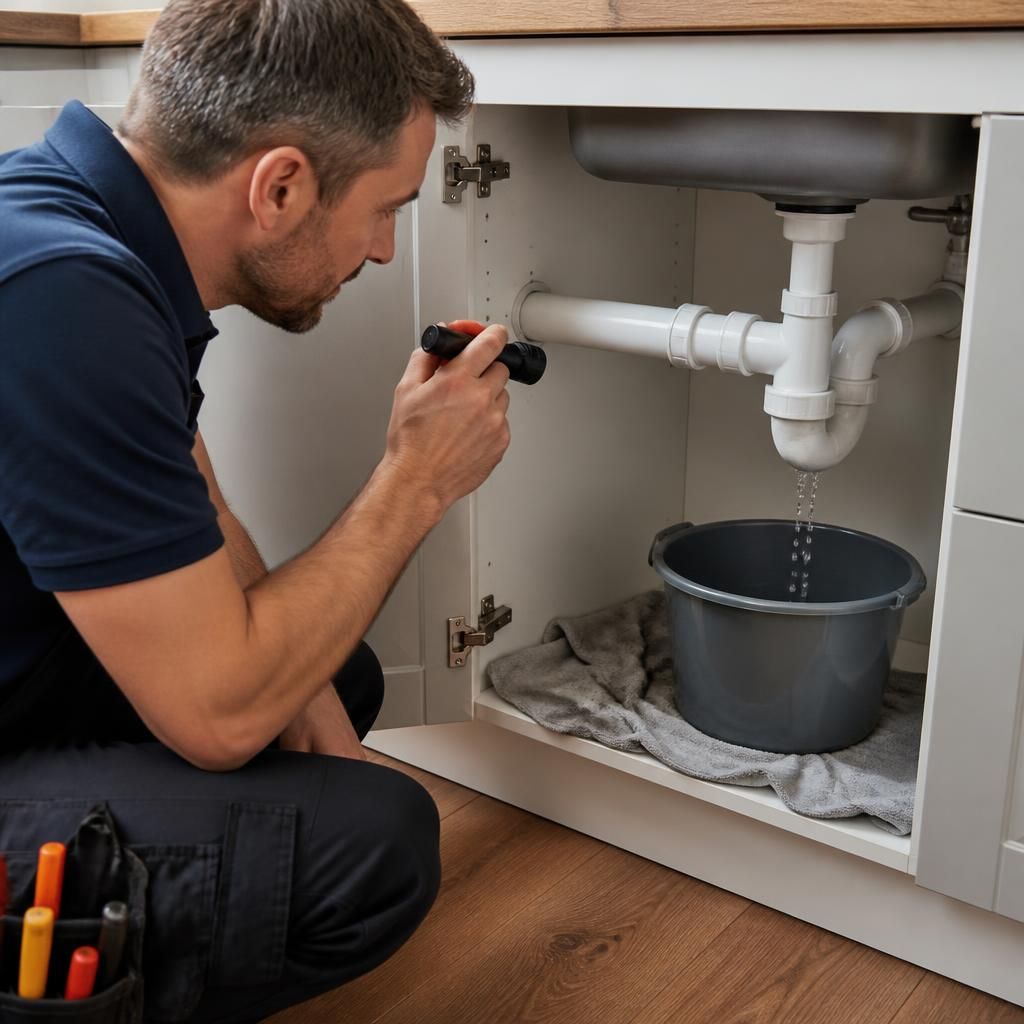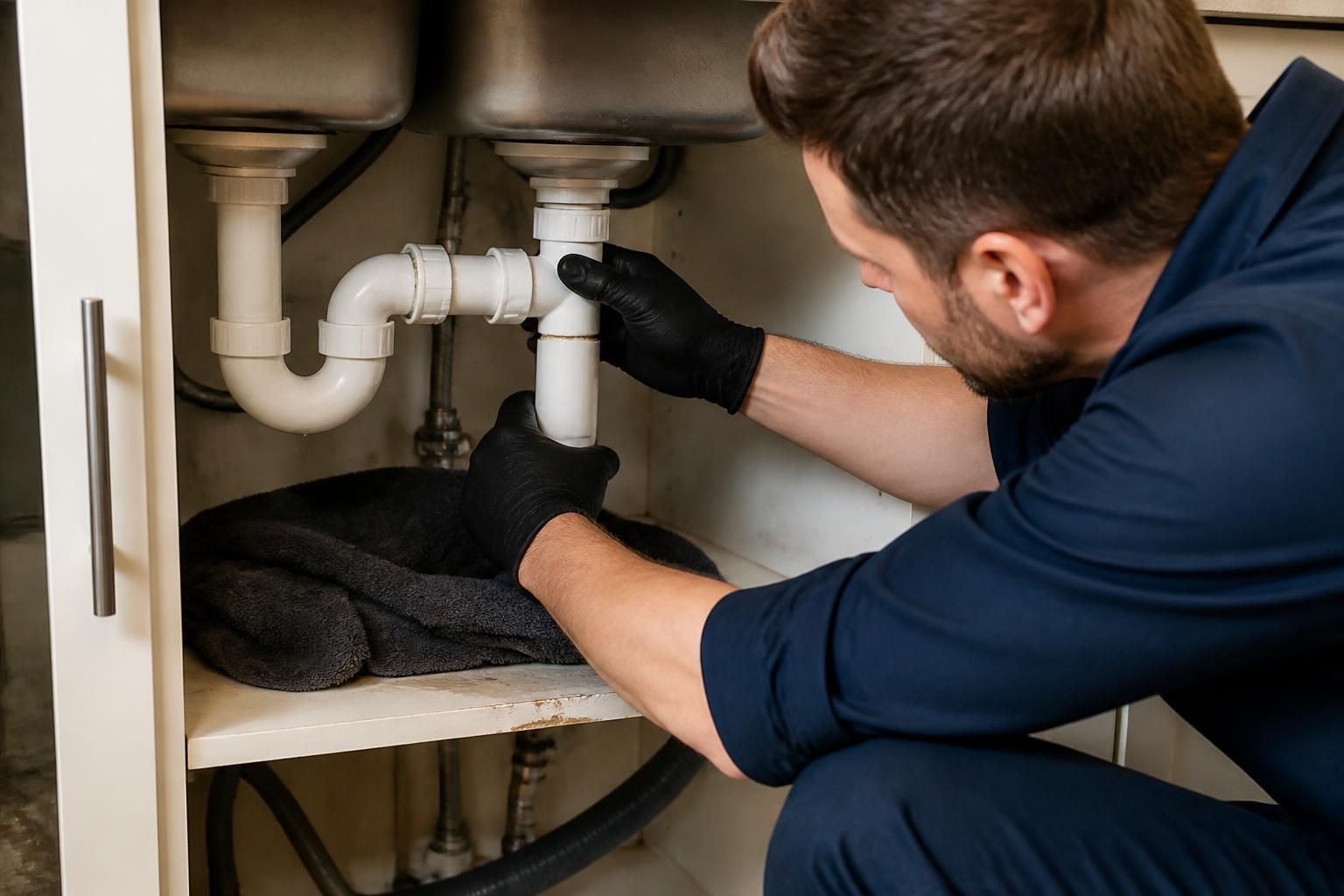
Yes. PVC pipe leak repair can generally be carried out while a rented property remains occupied, provided the correct party authorises the work and the plumber can access the affected area. In most cases, the tenant should report the leak to the landlord or managing agent before arranging permanent repairs, unless immediate action is needed to prevent further damage.
Who is responsible depends on the cause and location of the leak. A landlord will usually be responsible for fixed plumbing installations serving the property, including many water supply and drainage pipes. This commonly applies where the pipe has deteriorated through age, developed a failed joint, or suffered accidental damage unrelated to the tenant’s actions. The tenancy agreement may explain the reporting procedure and any specific division of responsibility.
A tenant may be responsible where the leak resulted from carelessness, unauthorised alterations, misuse, or failure to report a known problem. For example, forcing a fitting, drilling into a concealed pipe, or allowing a minor leak to continue without notification could affect liability. Responsibility should not be assumed solely because the leaking pipe is inside the property; the agreement, the cause of the failure and the relevant repair obligations all need to be considered.
Tenants should take these steps when a PVC pipe starts leaking:
- Turn off the local isolation valve or the main stopcock if it is safe to do so.
- Move belongings away from the affected area and use a container or towels to limit spread.
- Report the problem promptly to the landlord, letting agent or nominated maintenance contact.
- Provide photographs or video showing the pipe, fitting and any visible water damage.
- Explain whether the leak is from a supply pipe, waste pipe, radiator connection or another installation.
- Keep records of messages, instructions and any visits arranged to investigate the fault.
A tenant should avoid applying a permanent adhesive, cutting out pipework or replacing a fitting without permission. Temporary measures may conceal the source of the leak, make an insurance claim more difficult, or create additional damage. A plumber will normally isolate the water, inspect the pipe and joint, identify whether the PVC has split or the connection has failed, and select a suitable repair. Depending on access and the condition of the pipe, this could involve replacing a joint, cutting out a damaged section and fitting a new piece, or renewing a larger part of the installation.
Access does not always require removing fixtures or carrying out major work. If the pipe is exposed beneath a sink, behind an accessible panel or in a service cupboard, the repair may be relatively straightforward. A concealed leak may require limited access through boxing, flooring or a wall, followed by making good the opening. The landlord or agent should be told if disruptive access is likely, particularly where the repair affects a kitchen, bathroom or another occupied room.
For urgent leaks, the priority is to reduce water flow and prevent damage to electrical equipment, flooring, ceilings and personal possessions. If the leak is coming through a ceiling or near electrics, do not touch wet electrical fittings; move away from the area and follow the landlord’s emergency reporting instructions. A plumber’s written findings, photographs and invoice can help establish what failed and whether the work falls within the landlord’s maintenance obligations.
Ideal Plumbing Services provides PVC pipe leak detection and repair for residential properties in Birmingham and across the West Midlands. For a rented property, the tenant or landlord can explain the symptoms and the repair history so the work can be assessed in line with the tenancy arrangement and the condition of the plumbing.