Water pipe leak repair is normally a controlled plumbing intervention, but the level of disruption depends on the extent of the leak, the condition of the surrounding materials and whether the affected supply needs to be isolated. A small failure at an accessible joint may have little effect on daily life, while a concealed or long-standing leak can involve temporary loss of water, moisture management and additional reinstatement work.
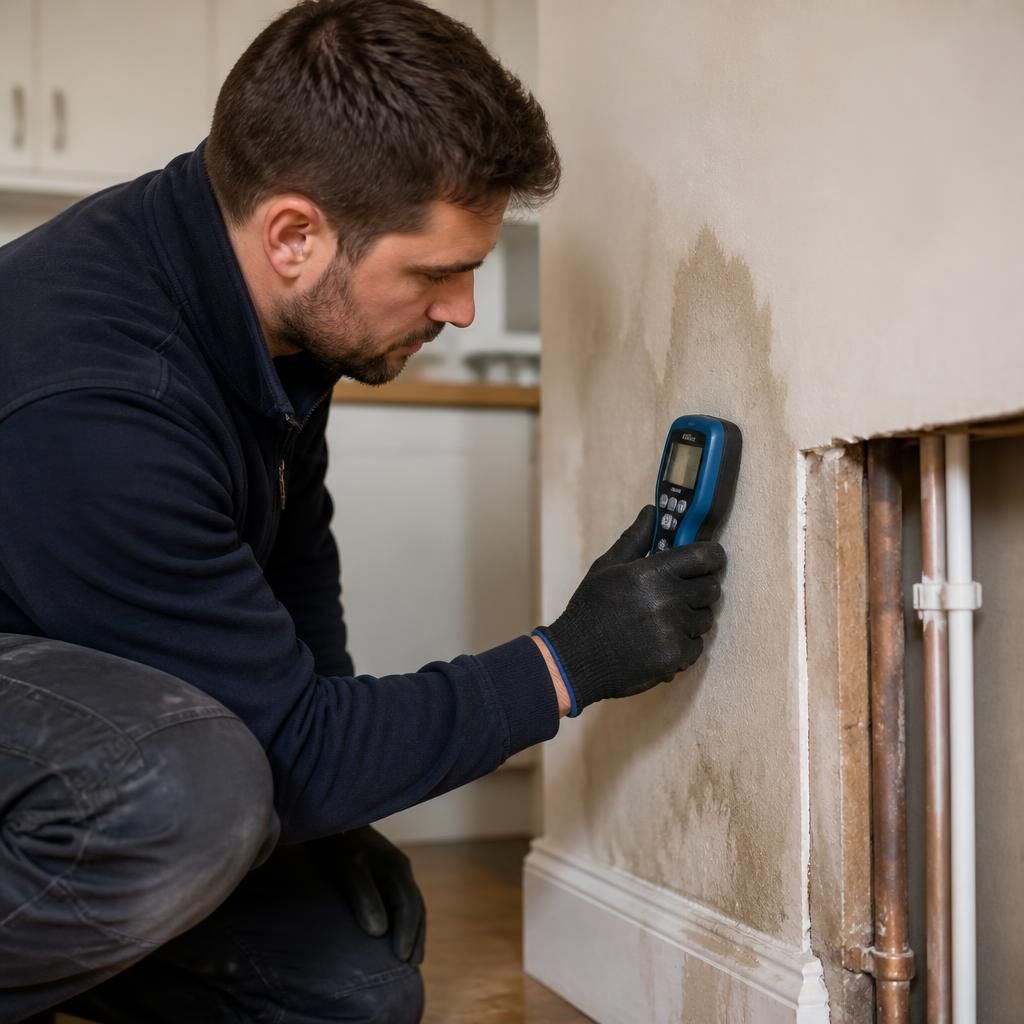
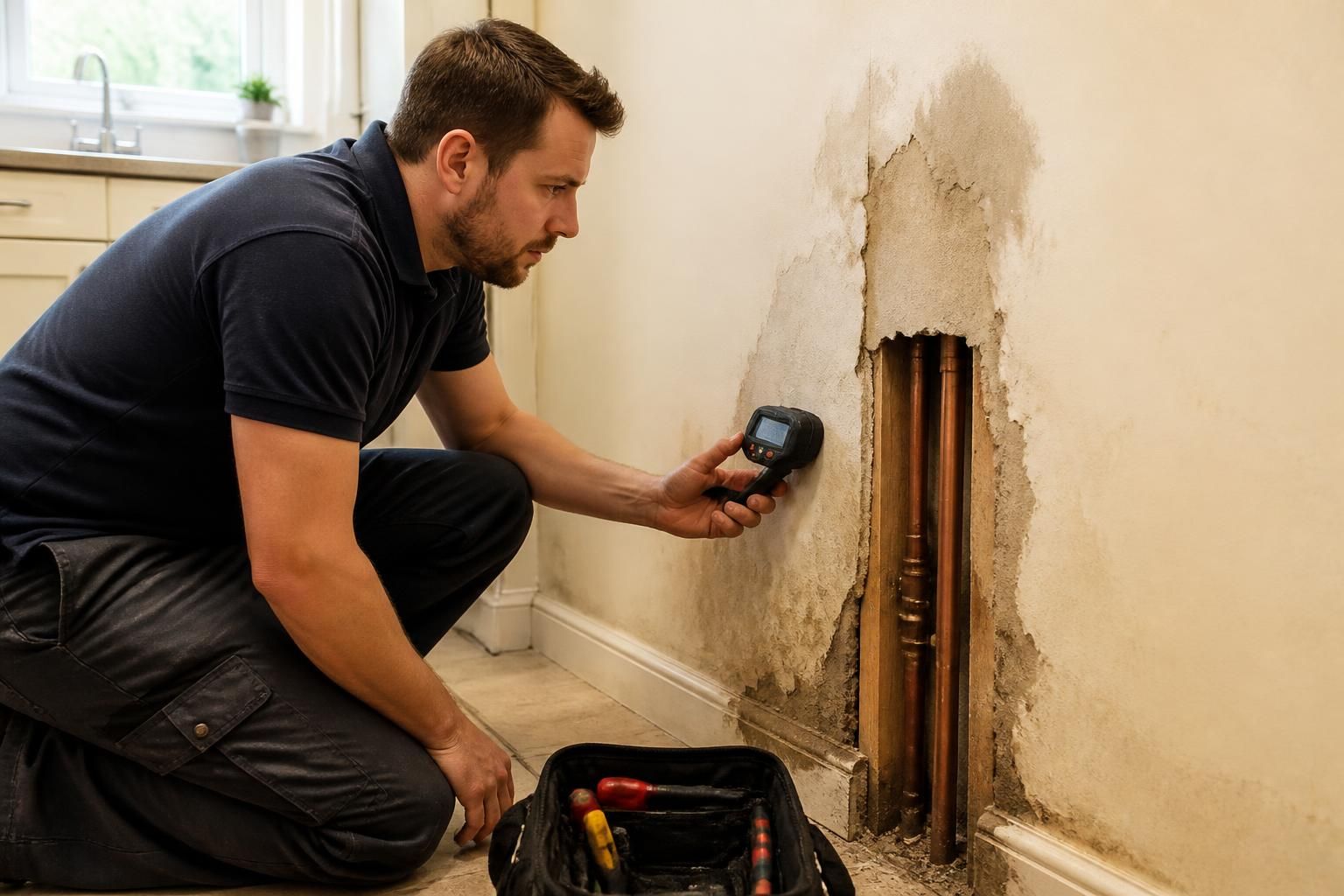
The first stage is to confirm the source rather than assume that the most visible damp patch is directly above the failed pipe. The plumber may assess water pressure, inspect nearby fittings and use leak detection methods to trace escaping water. This helps prevent unnecessary disturbance and allows the repair to be concentrated on the affected part of the system.
During the repair, the relevant water supply is usually isolated. This can affect taps, toilets, appliances or heating equipment connected to that section. Where possible, isolating a branch of the system rather than the whole property limits the inconvenience. Occupants may still need to avoid using particular fixtures until the repair and testing have been completed.
The physical work varies according to the type of failure. A leaking joint, valve or fitting may require a relatively small repair, whereas a split or corroded section of pipe may need to be cut out and replaced. Pipe material, pressure, access for tools and the condition of nearby components all influence the method. If adjoining pipework is weakened, repairing only one point may not be appropriate and a wider section may need attention.
Noise, dust and movement around the work area are common sources of inconvenience. A professional approach should include protecting furnishings and surfaces, keeping tools and materials within a defined work area, and removing waste as the job progresses. Clear communication about which rooms, fixtures and supplies will be affected makes it easier to plan around the work.
Water damage can create more disruption than the pipe repair itself. Saturated plaster, timber, insulation or flooring may need time to dry before decorative work is undertaken. Moisture should be assessed rather than concealed, because closing a damp area too soon can contribute to mould, staining or deterioration. The plumbing repair and any building or decorative reinstatement may therefore be separate stages.
Once the defective section has been repaired, the system should be refilled and checked for further leakage under normal operating pressure. The surrounding area can then be inspected for continuing moisture, and affected fixtures can be returned to use when it is safe to do so. This testing stage is important because a dry surface alone does not prove that the underlying leak has been resolved.
Several practical factors can reduce avoidable disruption:
- Confirm which water supplies must be isolated before work begins.
- Move valuables and electrical equipment away from the affected area.
- Keep access routes clear so the plumber can reach the pipe and work safely.
- Ask whether drying, plastering, flooring or decoration falls within the plumbing work or needs separate arrangements.
- Request a clear explanation of the proposed repair, the parts involved and any work that may be required if further damage is found.
For homeowners, landlords and tenants, the most important distinction is between disruption caused by the repair and disruption caused by the leak's consequences. A targeted plumbing repair may be completed without extensive interruption, but soaked materials, damaged finishes or unsafe electrical areas can extend the overall process. An experienced Birmingham plumbing professional can assess these factors, explain the likely scope and carry out the repair with the work area managed as carefully as the pipe itself.