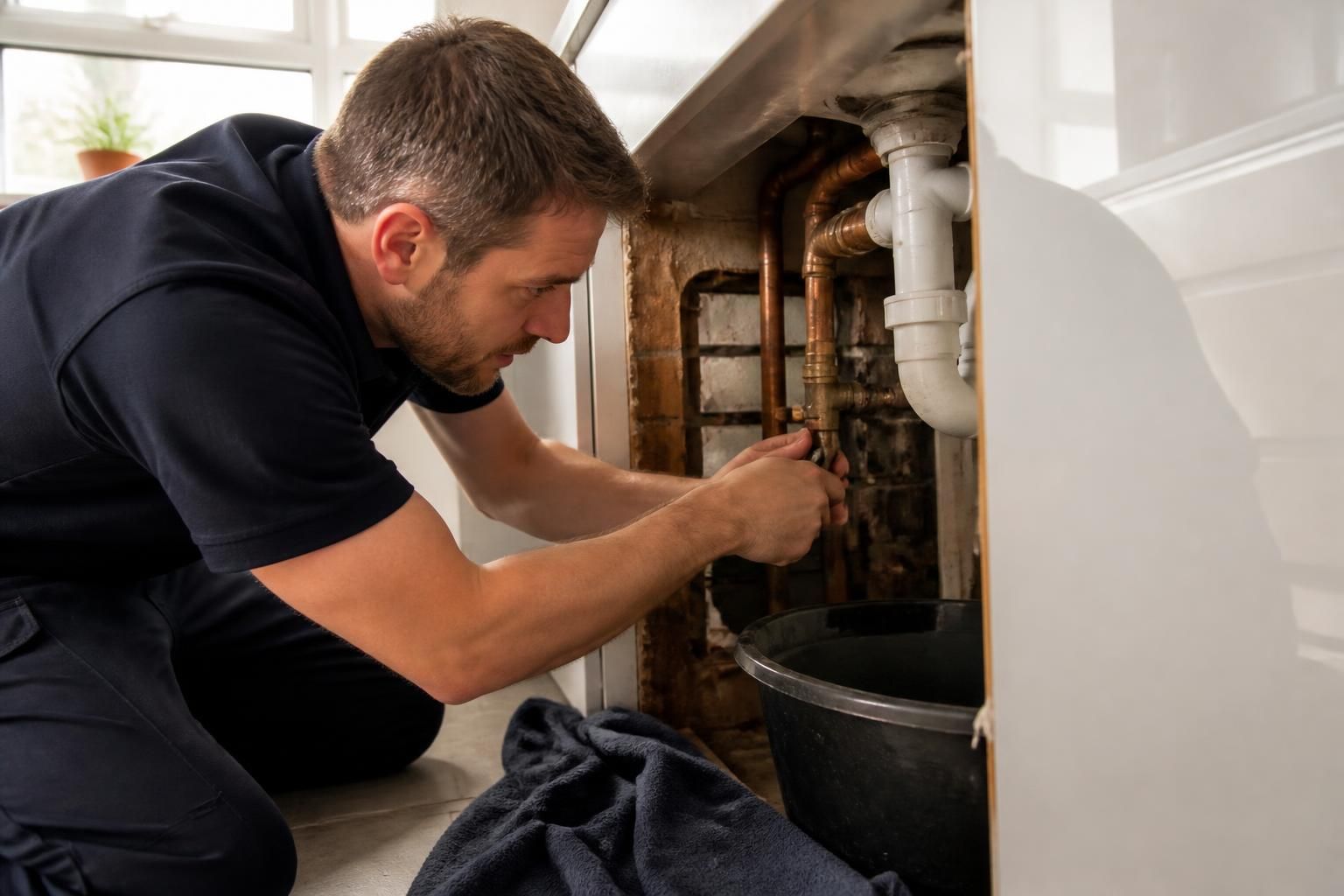
Preparing for water pipe leak repair means gathering useful information, making the affected area accessible and avoiding actions that could worsen the damage. Once the immediate water source has been controlled, the next step is to help the plumber identify the cause, route and extent of the leak without disturbing the pipework unnecessarily.
Record what you have noticed before the repair visit. Useful details include:
- Where water first appeared and whether the affected area is getting larger
- Whether the leak is constant or occurs only when taps, toilets, showers, washing machines or heating equipment are used
- Any reduction in water pressure, unusual pipe noise, damp smells or staining
- Whether the problem is near a bathroom, kitchen, boiler, radiator or external wall
- When you first noticed the issue and whether any recent alterations or drilling have taken place nearby
Photographs can help show the original location and extent of visible damage. Take them only from a safe, dry position and do not remove panels, flooring or wall coverings simply to expose the pipe. A leak may travel along joists, behind plaster or beneath flooring, so the point where water becomes visible is not always the point where the pipe has failed.
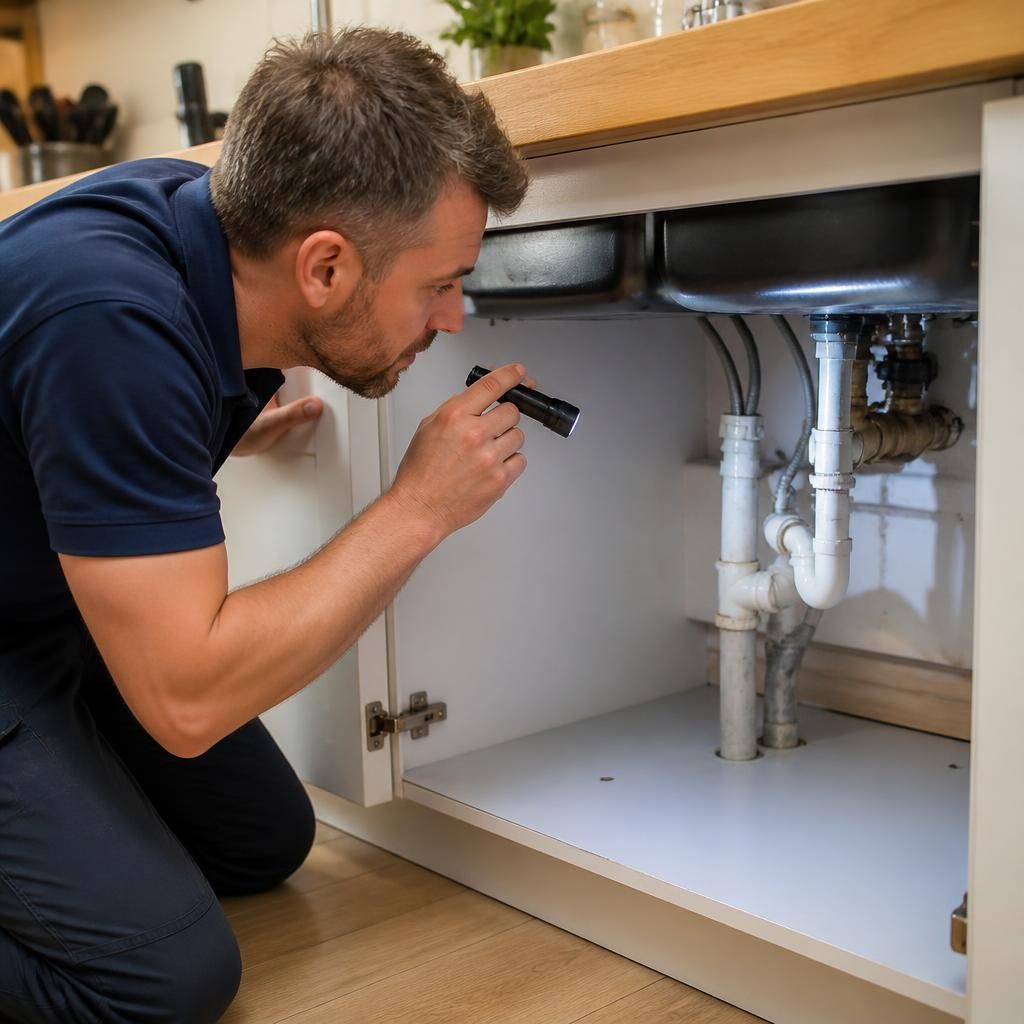
Make the route to the affected area clear before the plumber arrives. Remove fragile items from cupboards or rooms that need to be inspected, and ensure that access panels, boiler cupboards and under-sink spaces are not obstructed. If the pipe is behind fitted units or other building materials, do not dismantle them unless this has been agreed in advance. The least disruptive access point depends on the pipe’s position and the repair method.
Gather relevant property information where it is available. Plans, photographs from previous building work and details of alterations can indicate where concealed pipes run. Tell the plumber about extensions, new bathrooms, loft conversions, flooring work or wall-mounted fittings, particularly if the leak appeared after drilling or fixing work. This information can reduce unnecessary investigation and help distinguish a damaged supply pipe from a waste or heating pipe.
If you are a tenant, inform the landlord or managing agent and follow the tenancy procedure for plumbing repairs. Landlords should keep records of reported damage and consider whether the leak could affect neighbouring properties or communal areas. Homeowners may also wish to check their buildings or contents insurance requirements before authorising work, while avoiding delays that could allow damage to spread.
Do not use sealants, adhesives or makeshift clamps as a substitute for proper repair. These may conceal the leak, fail under pressure or make the damaged section more difficult to inspect. Avoid using the affected fixture if doing so causes further water loss, and do not enter areas where water has reached unsafe electrical installations or weakened building materials.
Before work begins, ask the plumber to explain the suspected fault, the proposed access route and whether the repair is expected to be temporary or permanent. It is also sensible to clarify what materials will be replaced, whether testing is included and which making-good tasks are outside the plumbing work. A clear explanation of the scope and charges helps you compare the repair with replacement if the pipe is severely corroded, repeatedly failing or difficult to access.
Ideal Plumbing Services carries out water leak detection and water pipe leak repairs for residential customers in Birmingham and the wider West Midlands. Providing accurate information and suitable access allows the assessment to focus on the actual fault and helps establish the most appropriate repair for the property.