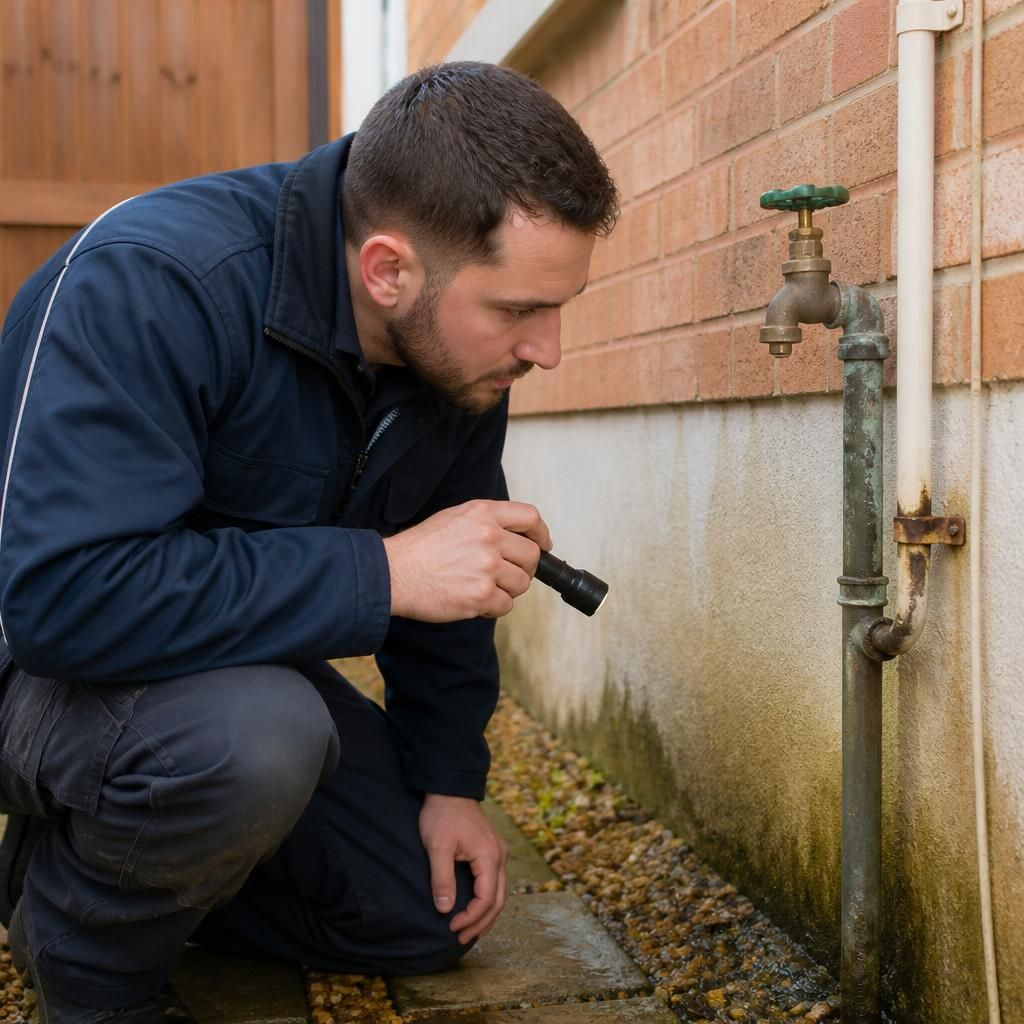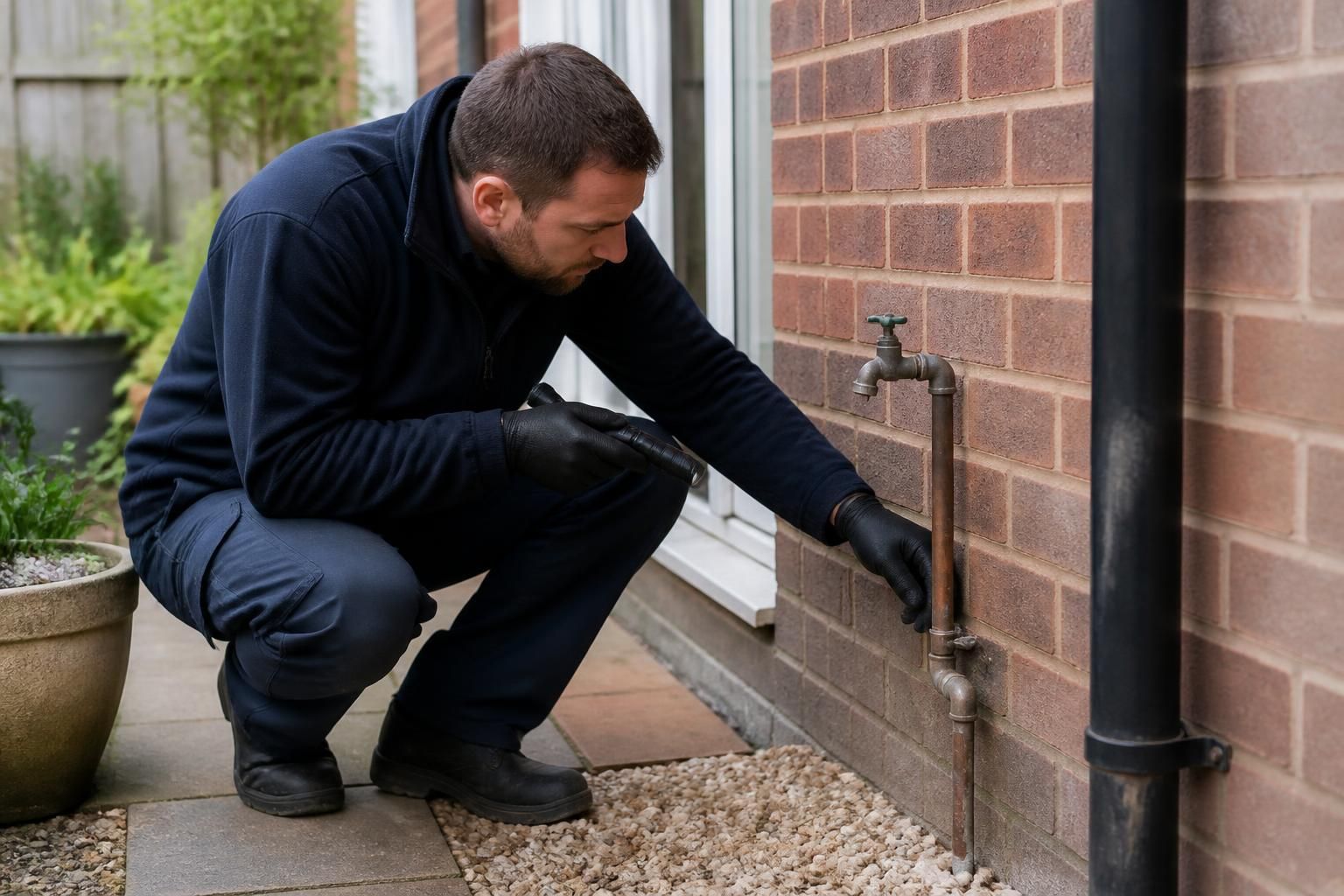
Yes. Outdoor tap leak detection is suitable for rented properties, provided the tenant has the landlord’s or letting agent’s approval where the tenancy agreement requires it. The inspection can establish whether water is escaping from the tap, its connections, exposed pipework or buried supply pipe, helping the responsible party decide what repair is needed.
Who should arrange the inspection? In most rented homes, the landlord or managing agent should be told about the suspected leak before a plumber is instructed. They may wish to appoint their own contractor, approve the cost or confirm which parts of the plumbing are the tenant’s responsibility. A tenant who arranges work without permission could find that the cost is not reimbursed, depending on the tenancy agreement and the circumstances.
Tenants should report the issue in writing where possible, including:
- where the leak appears to be coming from;
- whether the tap drips only when used or leaks continuously;
- any damp ground, standing water or damage near the wall;
- when the problem was first noticed; and
- photographs or a short video showing the symptoms.
This information can help the landlord or agent assess the situation and provide clear instructions before an inspection takes place.
What can be checked at a rented property? A plumber can inspect the outdoor tap, isolation valve, joints and visible pipework. They may also assess damp or unusually wet ground, check whether the leak continues when the tap is not being used, and carry out further non-invasive tests to determine whether water may be escaping below paving or within a concealed supply line. The inspection should distinguish a faulty tap from a problem with the pipework feeding it.
If the tap is connected to a shared supply, communal area or pipework that serves more than one property, the landlord or property manager may need to coordinate access and authorise any investigation. The tenant should not alter shared plumbing or excavate paving themselves.
Who is responsible for the repair? Responsibility depends on the tenancy agreement, the cause of the leak and any relevant housing obligations. A worn tap, failed connection or defect in the property’s plumbing will commonly need to be dealt with by the landlord or their appointed contractor. Damage caused by misuse or unauthorised alterations may be treated differently. A leak detection report can provide useful evidence by identifying the suspected source rather than relying on appearance alone.
If water is escaping continuously, the tenant should use the local isolation valve if it can be operated safely, keep clear of electrical equipment and notify the landlord or agent promptly. Avoid dismantling the tap or lifting paving, as this can worsen the damage and make it harder to establish the original fault.
Once permission and access arrangements are confirmed, Ideal Plumbing Services can inspect the outdoor tap and related pipework, explain the findings and identify the appropriate repair for the property.