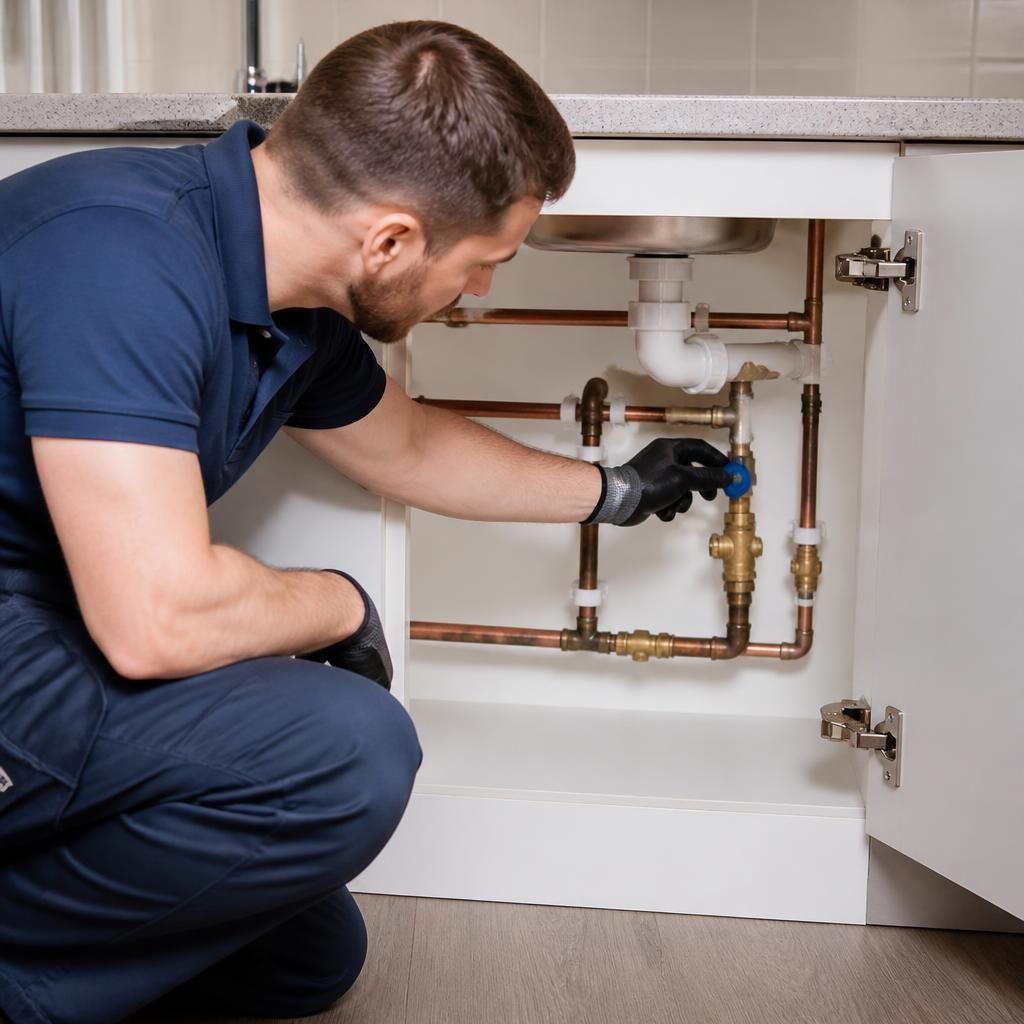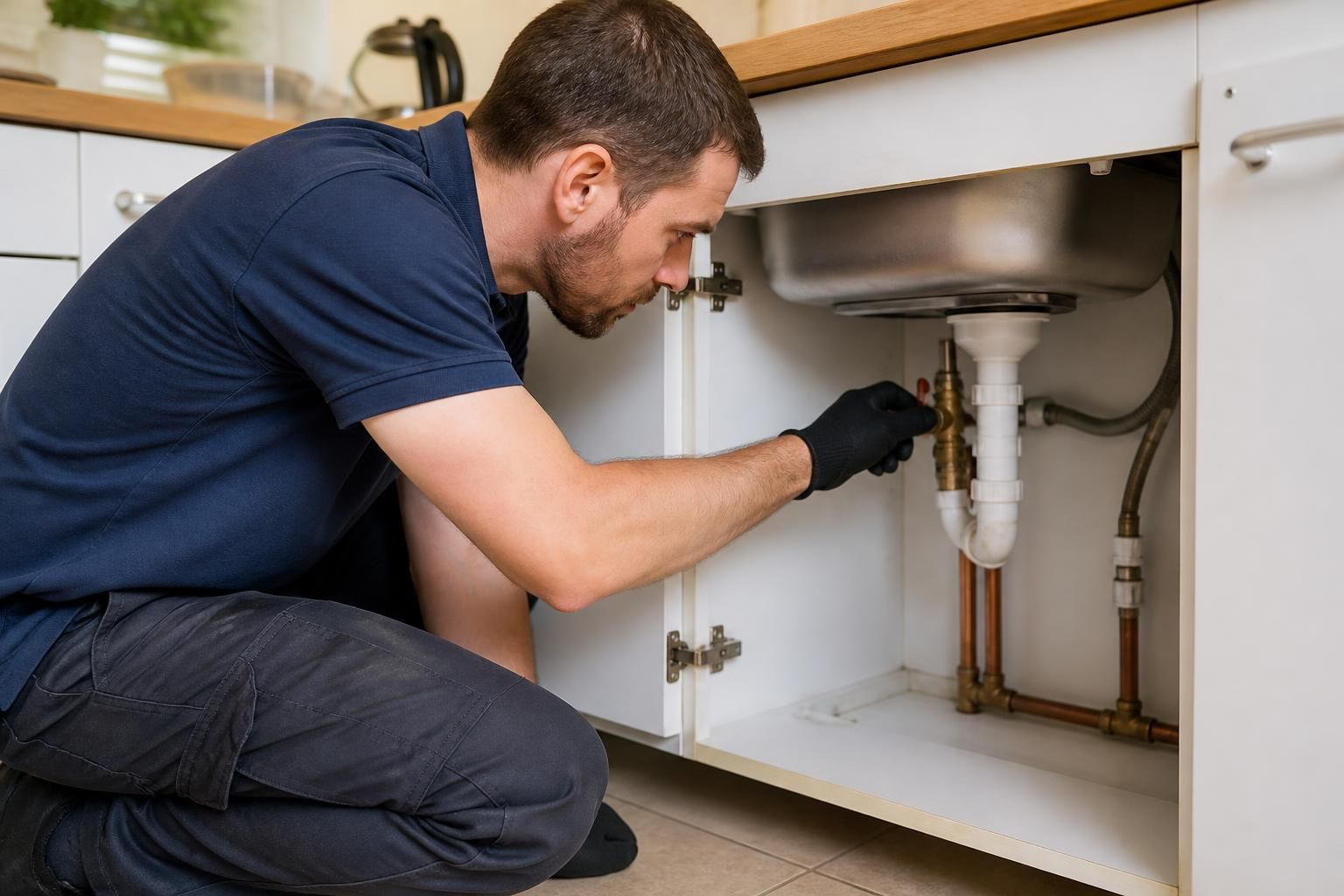
Most stop tap leak detection can be carried out with limited access, provided the plumber can reach the stop tap, inspect its connections and use suitable testing equipment around the suspected leak. The exact requirement depends on whether the stop tap and adjoining pipework are exposed, partly concealed or behind a permanent surface.
Where the installation is accessible, the inspection may only require enough room to operate the valve and examine the joints, washers, fittings and surrounding surfaces. The plumber may also need to check whether moisture is coming from the stop tap itself or from a nearby supply pipe, so access to the immediate pipework can be important.
Restricted access does not always prevent detection. A plumber can assess visible signs such as staining, dampness, corrosion, dripping or water marks, then use non-destructive checks where appropriate. These may include listening for escaping water, checking moisture levels or comparing conditions around connected fittings. The equipment and method depend on the pipe material, the size of the suspected leak and how much of the installation is hidden.
More access may be needed in the following situations:
- The valve is behind a removable access panel, boxing or kickboard.
- Pipe joints are enclosed and there is no visible indication of the leak’s exact source.
- Water has travelled from the original leak, making the damp area appear away from the faulty fitting.
- The stop tap is stiff, damaged or difficult to operate safely.
- There is insufficient room to position testing equipment or inspect the surrounding pipework.
Removable items and panels can usually be taken away before the inspection, but fixed coverings should not be cut, lifted or dismantled without discussing this first. If opening a wall, floor or cabinet becomes necessary, the plumber should explain why the additional access is required and what may be involved before work proceeds. Leak detection itself is intended to identify the source; making good decorative finishes or carrying out building work may be a separate task.
For rented properties, the tenant should report the issue to the landlord or managing agent and confirm permission for any intrusive access. Homeowners should also mention previous alterations, concealed pipe routes and any access panels that are not immediately obvious. This information helps distinguish a straightforward inspection from a situation where specialist access arrangements may be needed.
Ideal Plumbing Services can assess stop tap leaks for homes across Birmingham and the West Midlands, including installations where access is restricted. Share clear details about the property and the suspected location when arranging an inspection so the appropriate approach can be considered before attendance.