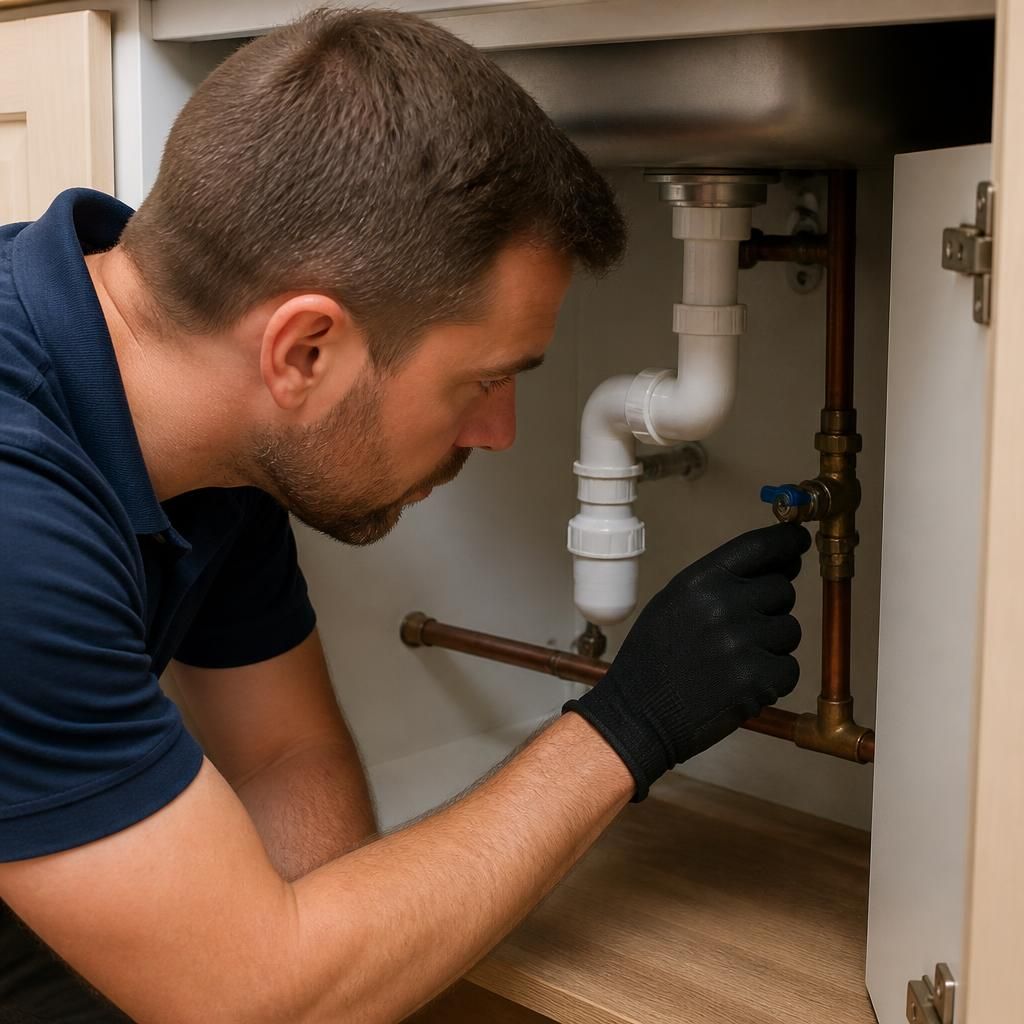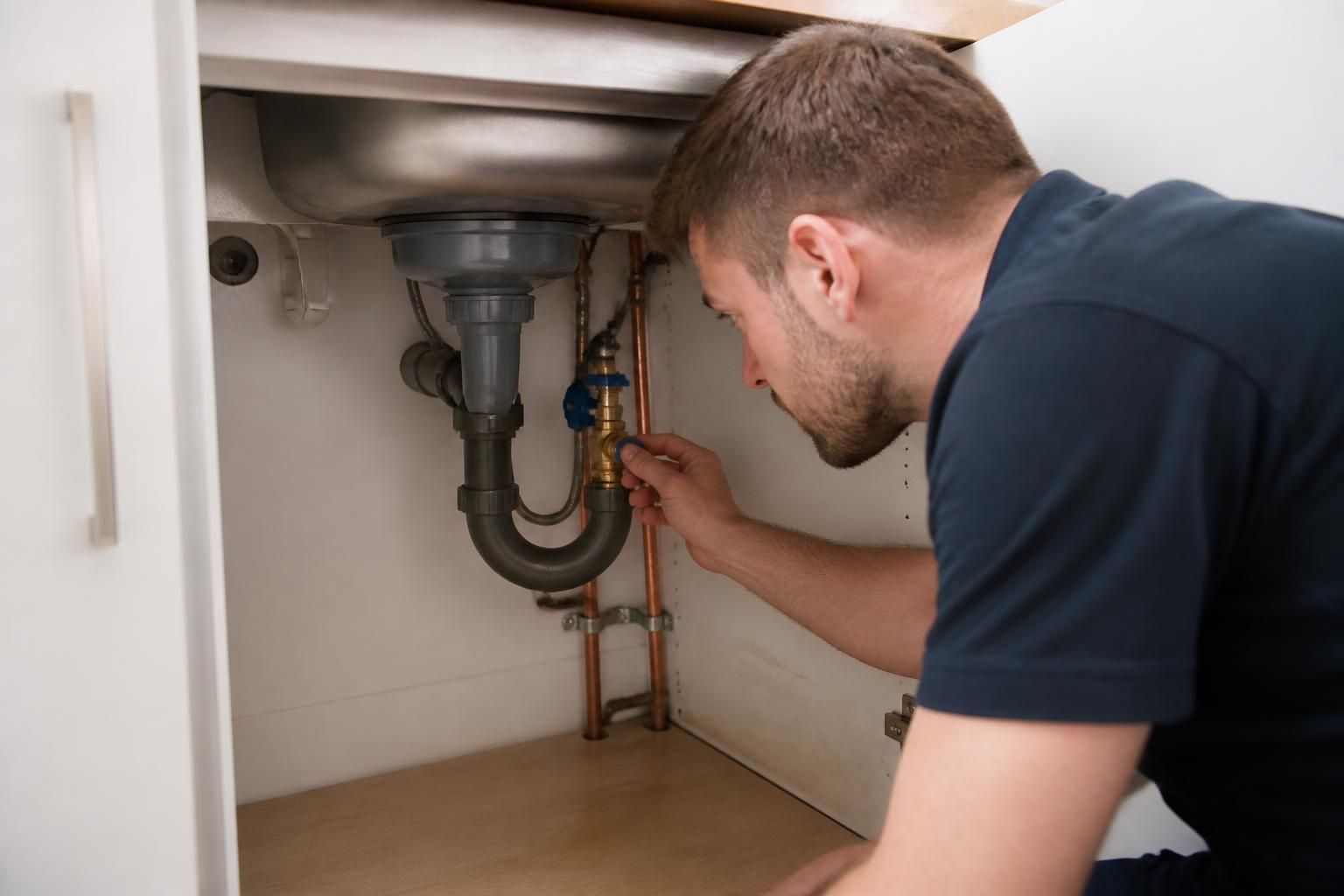
For rented properties, stop tap leak detection provides a practical way to investigate water escaping from the stop tap, its connections or nearby pipework without assuming that the valve itself needs replacing. The inspection can help establish the source of the moisture, the likely cause and whether further repair is required.
What the inspection may identify
- A worn or damaged stop tap gland, spindle or body.
- Loose compression fittings or leaking joints on the connected pipework.
- Corrosion, cracks or movement around the valve.
- Water tracking from another nearby pipe or appliance and appearing to come from the stop tap.
- A concealed leak behind boxing, kitchen units, flooring or other finishes.
Finding the actual source matters in a rented home because drying visible water or tightening an accessible fitting may not address the underlying fault. A plumber can assess the valve and surrounding pipework, trace signs of moisture and explain whether the issue appears localised or requires a wider investigation.
Information for tenants
Tenants should report the suspected leak with a clear description of where water is visible, when it was first noticed and whether the problem changes when taps or appliances are used. Photographs or a short video can help the landlord or managing agent understand the issue before an appointment is arranged. Avoid dismantling the stop tap or applying force to a stiff valve, as this can worsen the leak or damage the pipework.
Access should be provided to the stop tap and any nearby areas that may need inspection. This might include the cupboard beneath a sink, a utility area, a meter cupboard or an adjoining room if water has travelled through a wall or floor. Personal belongings should be moved away from the suspected leak where it is safe to do so.
Information for landlords and managing agents
Landlords or managing agents should confirm who is authorised to instruct the inspection and how findings should be recorded. The tenancy agreement, the cause of the fault and the condition of the property may affect how repair costs are allocated, so responsibility should be established separately from the technical diagnosis.
An inspection record should note the location of the stop tap, the condition of accessible fittings, visible signs of water damage and any recommendation for repair or further investigation. This documentation can be useful when arranging follow-on work, checking whether adjacent areas have been affected or reviewing a recurring leak.
Will the inspection require disruption?
Many stop tap inspections begin with accessible, non-destructive checks. However, if the leak is concealed or water has travelled beneath fixed finishes, the plumber may need to recommend lifting, removing or opening part of the surrounding area to confirm the source. No intrusive work should be assumed to be authorised simply because an inspection has been requested; the tenant, landlord or managing agent should agree the next step before any additional work takes place.
Ideal Plumbing Services can assess stop tap leaks for homeowners, landlords and tenants in Birmingham and the wider West Midlands. The findings can then be explained in practical terms so the appropriate repair or maintenance decision can be made.