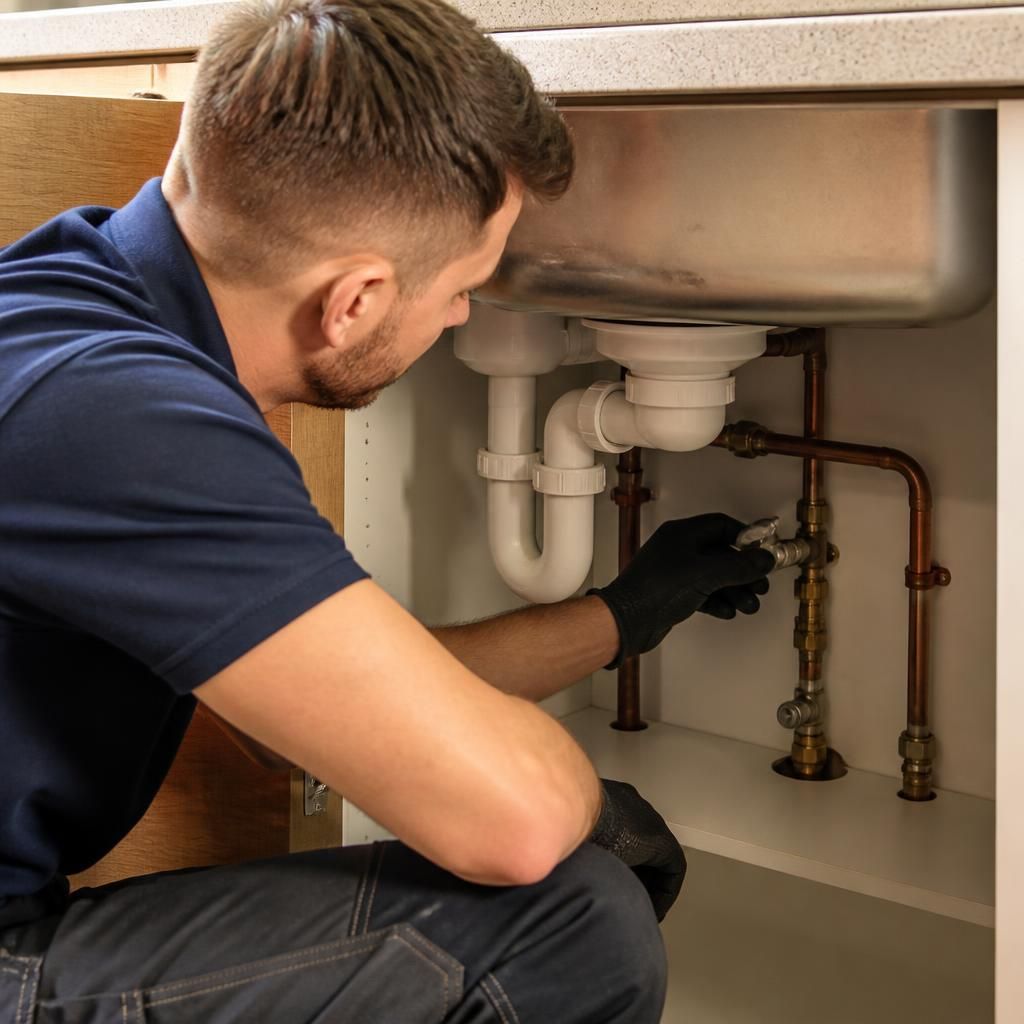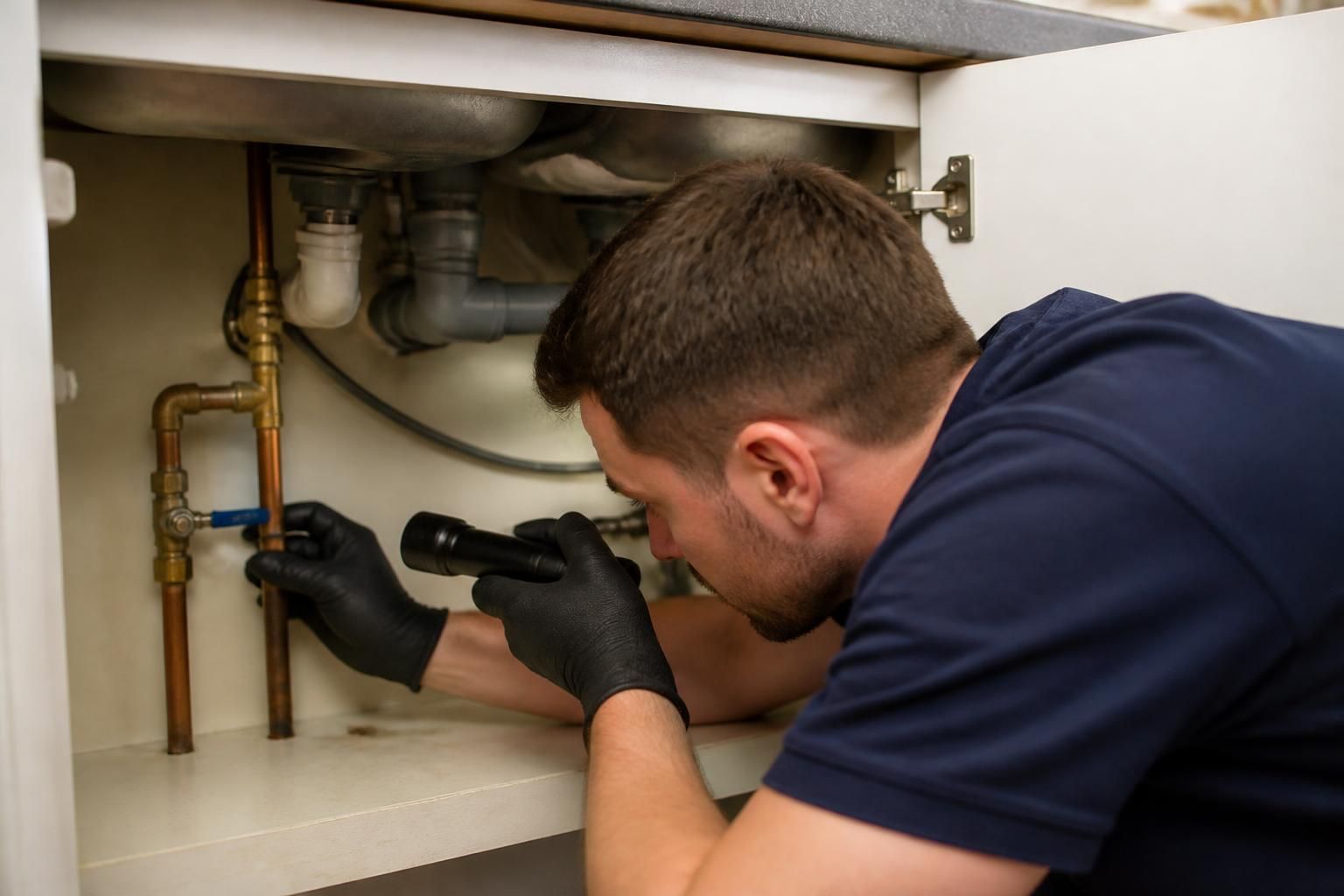
Stop tap leak detection costs vary according to the type of leak, its location, the access available and the investigation equipment required. A straightforward, visible leak around an accessible stop tap is generally less involved than a concealed leak beneath flooring, inside a wall or on a buried supply pipe. The final price should therefore be based on the actual investigation required rather than a standard assumption.
The main factors that influence the cost include:
- Where the leak is suspected: A leak at the tap, compression joint or nearby pipework may be easier to identify than water escaping from concealed or underground pipework.
- How accessible the area is: Stop taps may be located beneath sinks, behind appliances, inside cupboards, under floorboards or in external chambers. Restricted access can increase the time needed to inspect and test the pipework.
- The symptoms: Damp patches, unexplained water use, reduced pressure, a constantly moving water meter or sound from the pipework can help narrow down the search. Limited or conflicting signs may require a more detailed investigation.
- The detection method: A plumber may use visual checks, pressure testing, acoustic equipment, moisture readings or other non-invasive methods, depending on the suspected fault. More involved equipment and testing can affect the overall charge.
- Whether the source is inside or outside the property: Tracing a leak on internal supply pipework differs from investigating a service pipe between the boundary, meter and property. The construction of the building and surrounding ground can also affect the work involved.
A clear quote should explain what the detection charge covers, whether the visit includes testing and reporting, and whether any opening-up or reinstatement work would be treated separately. It is also sensible to ask whether the quoted amount applies only to locating the leak or includes an agreed amount of remedial plumbing.
Before arranging an investigation, note when the problem occurs and check whether the water meter continues to register when all taps, toilets and appliances are off. Do not remove flooring, walls or fitted units solely to find the leak unless this has been discussed with a plumber. Providing photographs of damp areas, the stop tap and any visible pipework can also help establish the likely level of investigation.
For landlords and tenants, the cost may also depend on who is responsible for the affected pipework and whether the property owner or managing agent needs approval before intrusive work begins. The tenancy agreement, property maintenance arrangements and location of the leak should be checked before authorising additional work.
Ideal Plumbing Services assesses stop tap leak detection requirements for homes in Birmingham and the wider West Midlands, then sets out the expected work and cost clearly before proceeding. This makes it easier to distinguish the investigation charge from any later plumbing work and to compare quotes on a like-for-like basis.