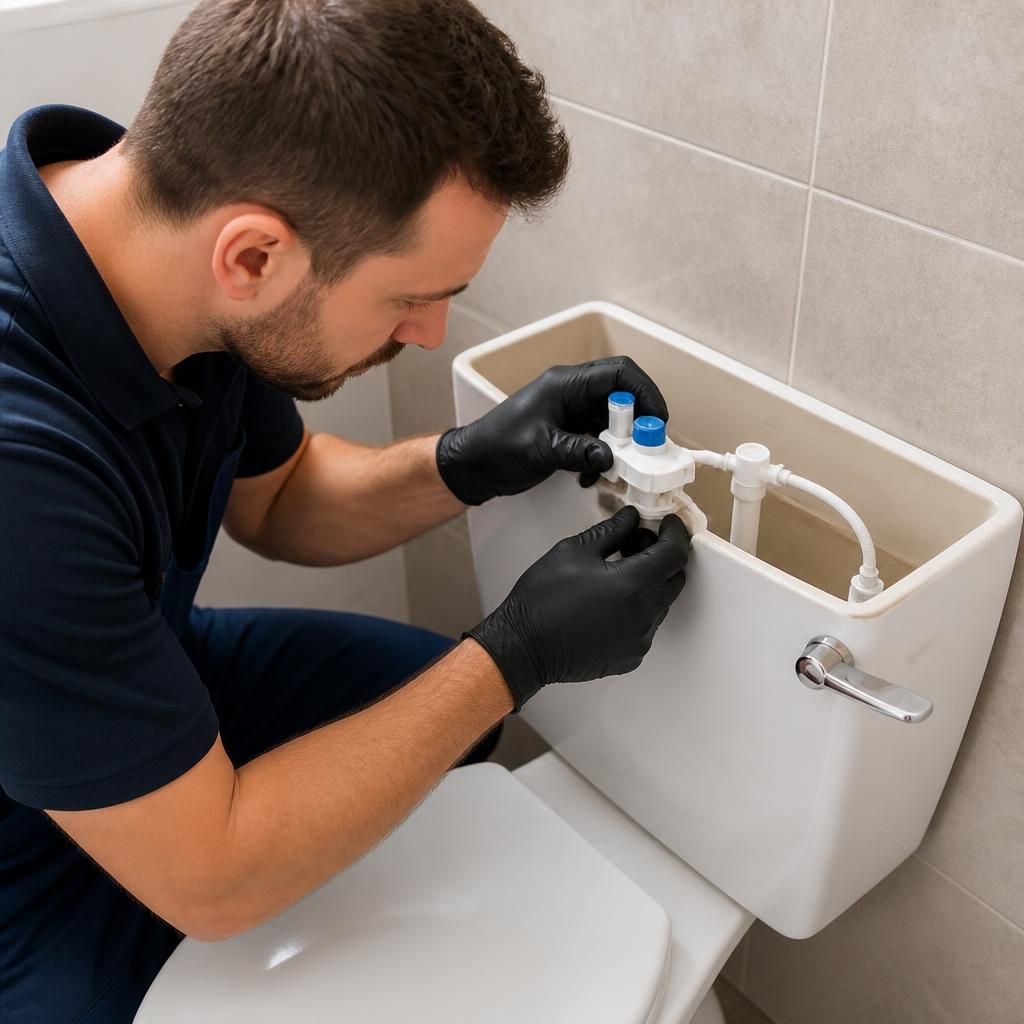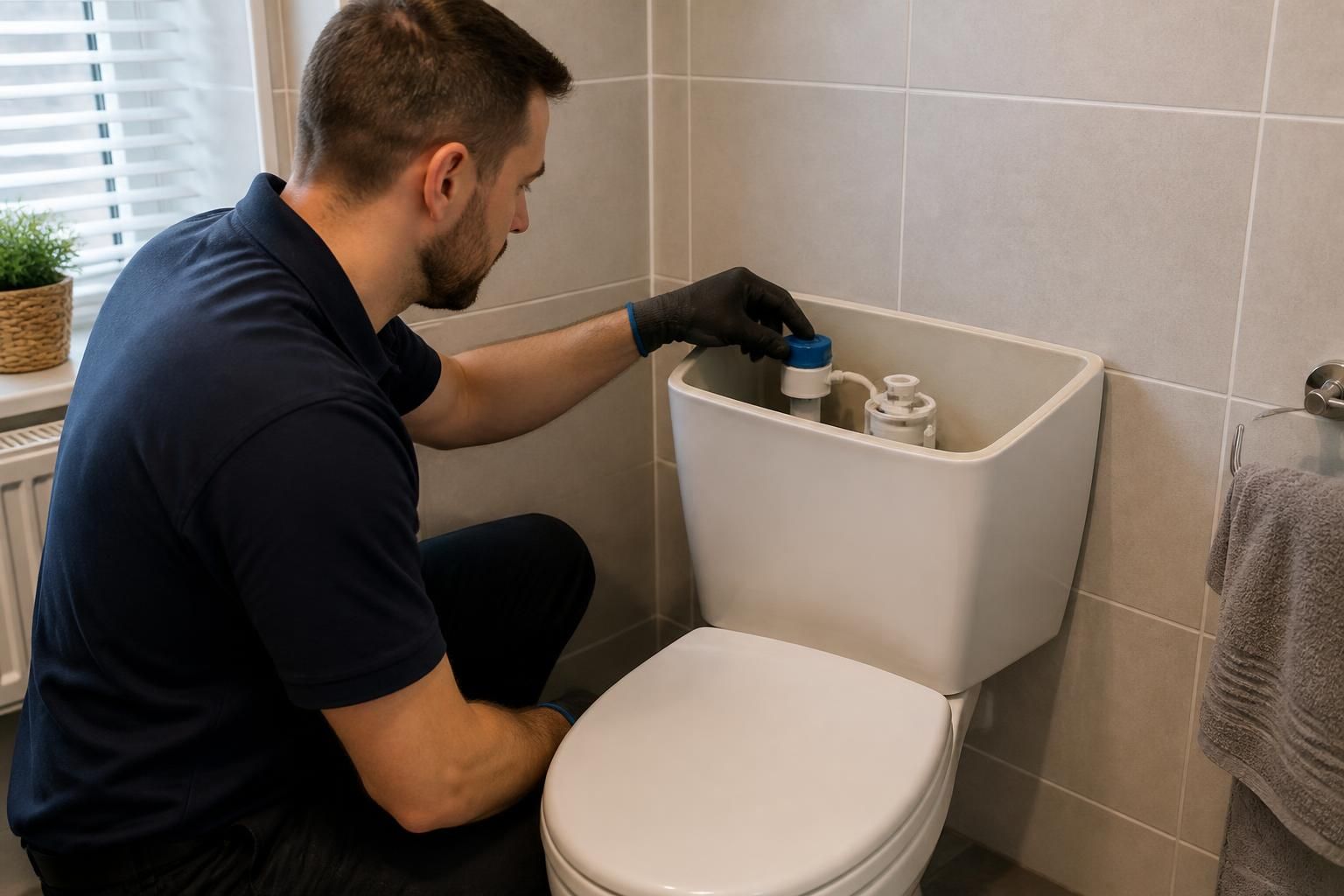
Toilet cistern leak detection is well suited to rental properties because it provides a structured way to investigate a suspected fault without immediately removing the cistern or replacing the toilet. This is useful where a leak is intermittent, concealed, or not producing an obvious pool of water.
In a rented property, a cistern may leak in several ways. Water can escape into the toilet pan through a faulty flush valve or seal, continue entering the cistern because the inlet valve is not shutting correctly, or escape externally from a connection, washer or crack. A leak into the pan may be difficult to notice, while an external leak can damage flooring, skirting boards, ceilings and adjoining rooms if it is not addressed.
Detection is also appropriate when the reported symptoms are uncertain. A tenant may hear the toilet periodically refilling, notice a faint trickling sound, find moisture around the base of the cistern or see staining below the bathroom. These signs can point to a cistern problem, although condensation, a supply pipe leak or a flush-pipe fault can produce similar symptoms. An inspection helps distinguish the source before repair work is selected.
A typical assessment may include:
- checking the cistern, inlet connection, flush mechanism, overflow and visible seals;
- examining the pan for evidence that water is passing through when the toilet is not being flushed;
- checking the floor, surrounding fittings and ceiling below for signs of escaped water;
- using a suitable non-invasive test to confirm whether the cistern is losing water internally; and
- identifying whether the fault can be repaired through an adjustment or replacement component rather than replacing the complete toilet.
This approach can be helpful for landlords because it creates a clearer record of the reported fault, the suspected source and the recommended remedy. Keeping inspection notes, photographs where appropriate and details of completed repairs can support property maintenance records and help identify recurring problems. It can also prevent unnecessary work when the issue is limited to a valve, washer or seal.
Tenants should report suspected leaks promptly and describe what they have observed, such as repeated refilling, visible drips, damp surfaces or a change in the toilet's flushing performance. They should not dismantle the cistern unless authorised and suitably competent to do so. If water is escaping externally, the toilet's isolation valve can be turned off where it is safe and accessible, while any affected electrical equipment should be kept away from moisture.
Landlords and managing agents should arrange access in accordance with the tenancy agreement and applicable notice requirements. Giving the plumber useful information beforehand, including when the sound occurs and whether the bathroom is above another room, can help focus the inspection. Where the property is vacant, detection can form part of a routine maintenance check before new occupants move in.
The most suitable response depends on the condition and design of the existing components. A straightforward adjustment or replacement seal may resolve a minor fault, whereas corrosion, damaged fittings or a cracked cistern may make more extensive repair necessary. The inspection should establish the cause before the landlord or agent approves the work, particularly where responsibility for the repair needs to be recorded.
For rental properties in Birmingham and the wider West Midlands, Ideal Plumbing Services can assess toilet cistern leaks for homeowners, landlords and tenants and explain the available repair options. The important point is to treat unexplained water loss or dampness as a maintenance issue rather than assuming that a concealed leak will resolve itself.