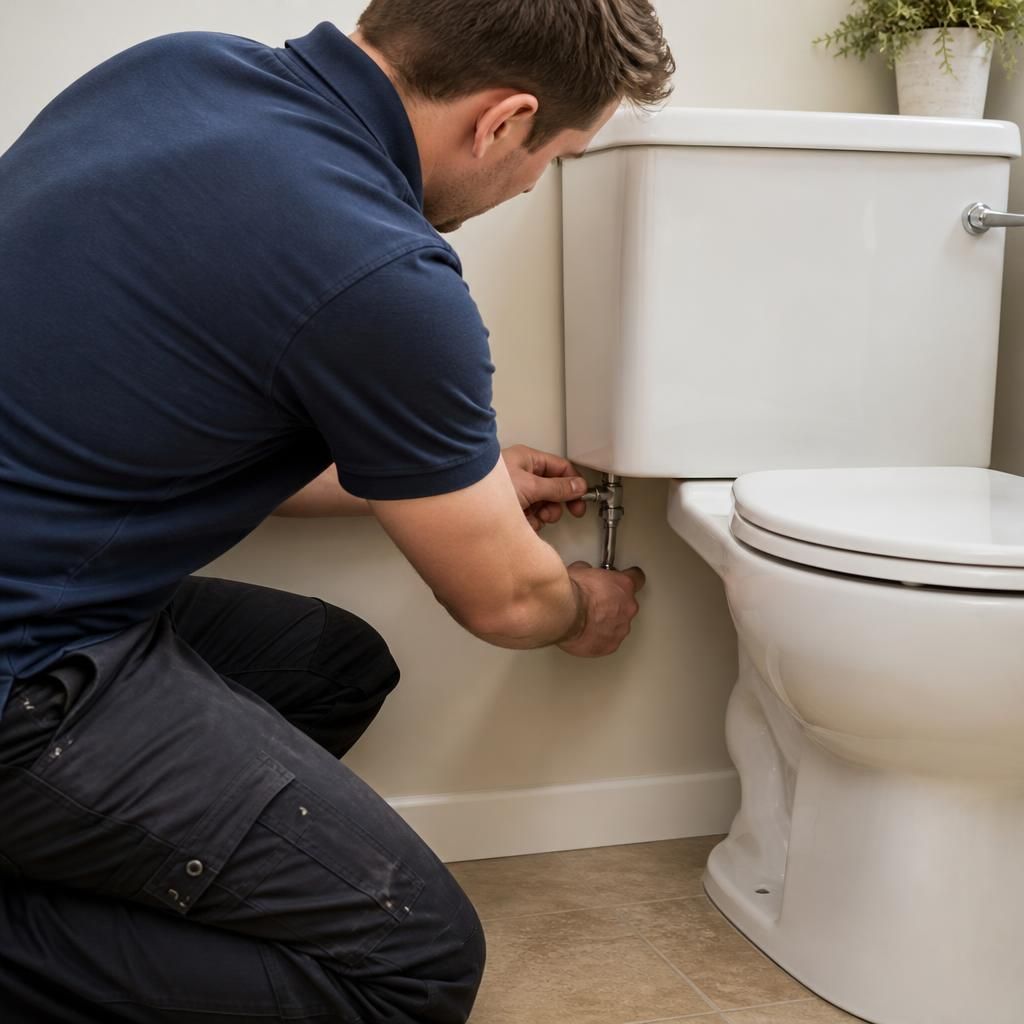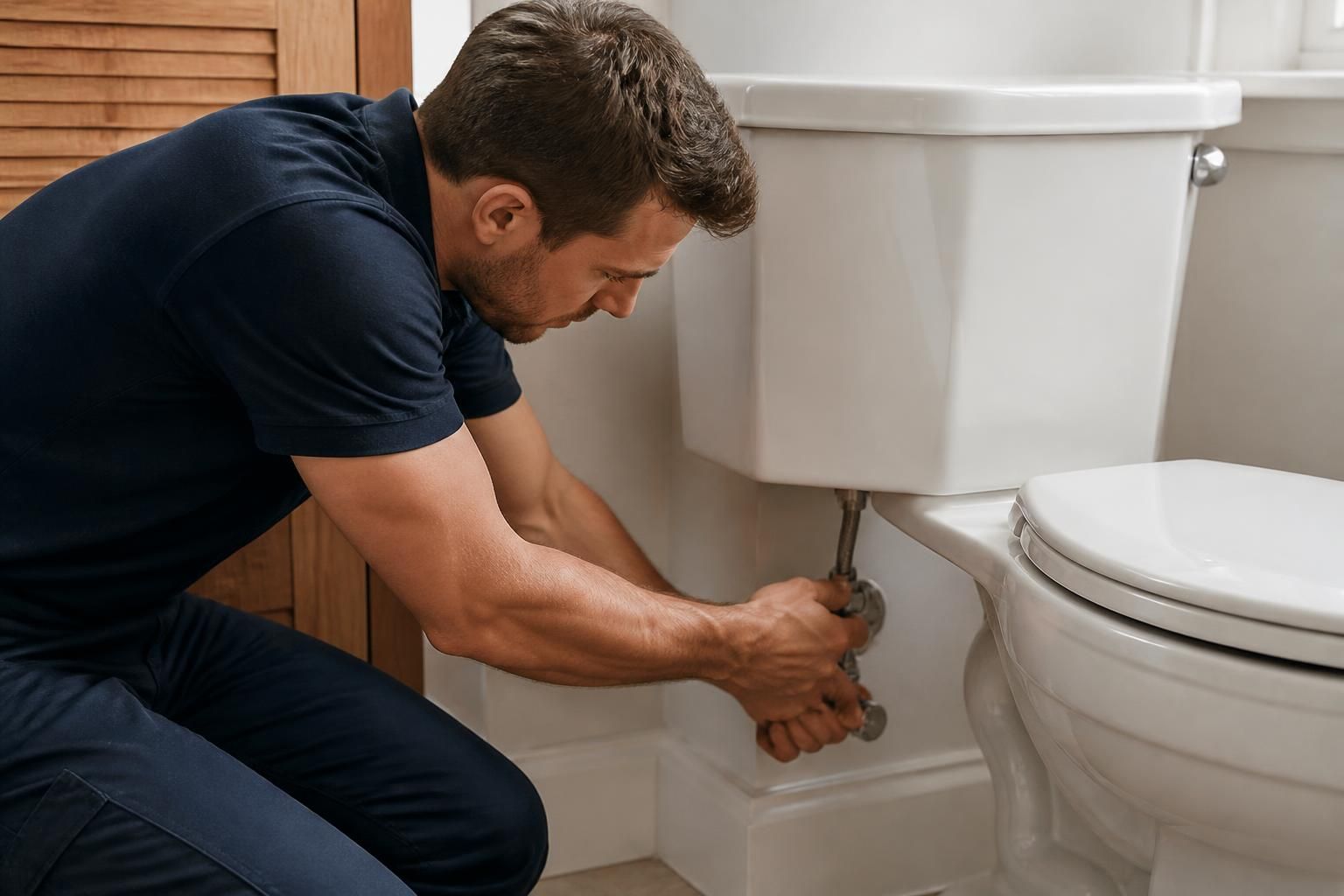
The repairs needed after toilet leak detection depend on the exact source of the leak, the condition of the affected components and whether water has reached nearby materials. A professional repair should correct the fault, test the toilet under normal use and check for related damage before the area is put back into service.
Once the leak has been located, the plumber will usually assess whether the faulty part can be adjusted, reseated or repaired, or whether replacement is the more dependable option. This decision can depend on corrosion, cracking, deterioration, previous repair work and how securely the component can be refitted. Replacing one small part may be suitable where the rest of the installation remains sound, while a damaged or brittle assembly may need more extensive work.
- Connections and joints: A leaking joint may need to be dismantled, cleaned and resealed, with any unsuitable connection parts replaced.
- Cracked ceramic: A crack in the cistern or pan is not normally resolved with a plumbing sealant. Replacement may be considered because the damaged ceramic can continue to leak or fail under pressure.
- Moving mechanisms: Internal operating parts can become worn, misaligned or restricted by scale. The repair may involve correcting the alignment or fitting compatible replacement components so the toilet fills, flushes and shuts off correctly.
- Pipework: A supply or discharge section may require a new connection, a replacement section or improved support if movement has contributed to the leak.
- Fixings and stability: If the toilet has moved, loose securing points or an uneven installation may need attention. Stabilising the toilet helps prevent strain on connected pipework and renewed leakage.
Water damage should be assessed separately from the plumbing fault. Flooring, skirting, cabinetry, sealant and other nearby finishes may have absorbed water or become weakened. These materials should be allowed to dry and checked for swelling, staining, soft spots, mould growth or deterioration. Repair or replacement of surrounding finishes is generally considered only after the source has been stopped, otherwise the same area may be damaged again.
A leak can also affect spaces below the toilet or behind concealed boxing. Signs such as staining on a ceiling, a damp odour, damaged plasterboard or persistent moisture indicate that the inspection may need to extend beyond the visible bathroom area. A plumbing repair does not automatically restore building materials, so any affected area should be monitored and assessed appropriately.
After the repair, the toilet should be tested through filling, flushing and standing checks. The plumber may inspect the connections while the cistern refills, check that the flush mechanism stops correctly and look for moisture around the base and pipe joints. Where water has reached flooring or concealed areas, further observation can help establish whether drying and additional remedial work are required.
Before work begins, it is reasonable to ask which part has failed, whether repair or replacement is recommended, and whether the quoted work includes testing and removal of the defective component. Clear information about the proposed repair helps homeowners, landlords and tenants distinguish between resolving the leak itself and dealing with any resulting property damage.
Ideal Plumbing Services provides residential plumbing repairs for customers in Birmingham and across the West Midlands. The appropriate repair is based on the inspection findings rather than replacing parts unnecessarily, with the aim of leaving the toilet safe, stable and properly tested.